Online Reporter
Locadia Mavhudzi, Midlands Correspondent
ZIMBABWE’S cultural and creative sector stakeholders have called for the development of a comprehensive national cultural infrastructure plan aimed at decentralising access to creative spaces and empowering rural communities.
Speaking at a recent consultative forum, cultural leaders and artists from the Midlands Province recommended the rehabilitation and modernisation of existing cultural facilities, which are largely underutilised or in a state of disrepair.
They emphasised the need to prioritise rural culture hubs where traditional arts and community identity remain vibrant but under-supported.
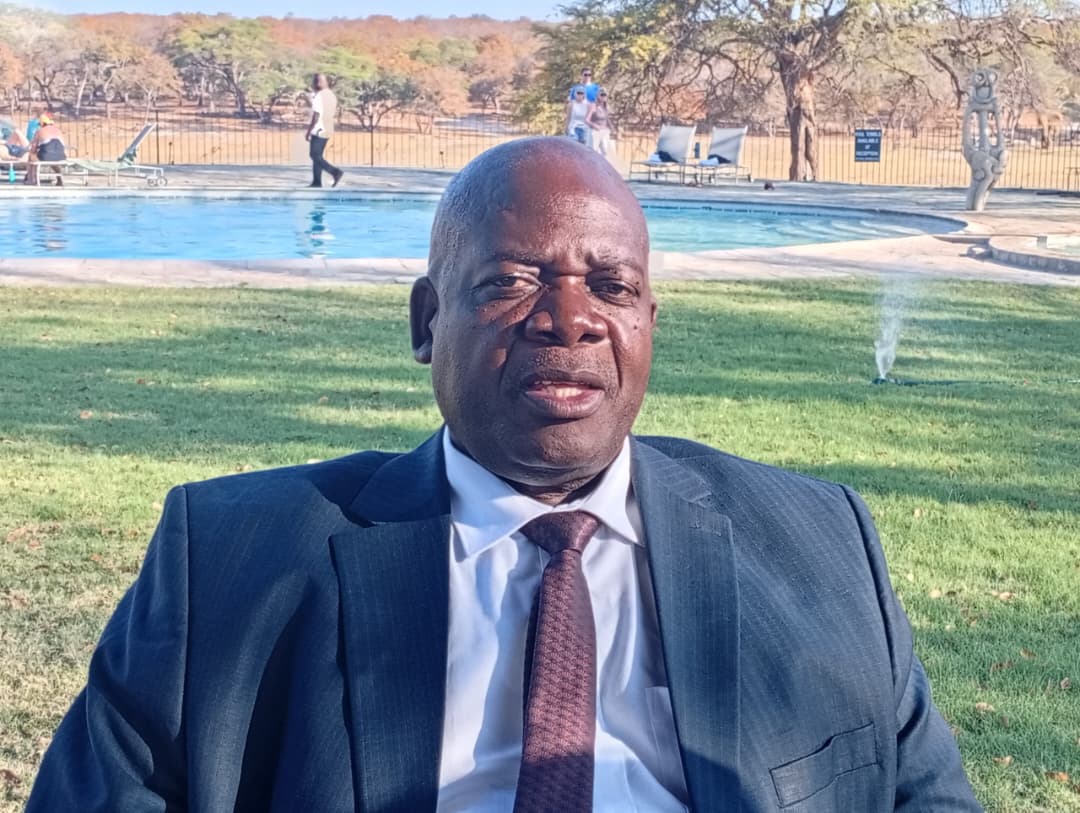
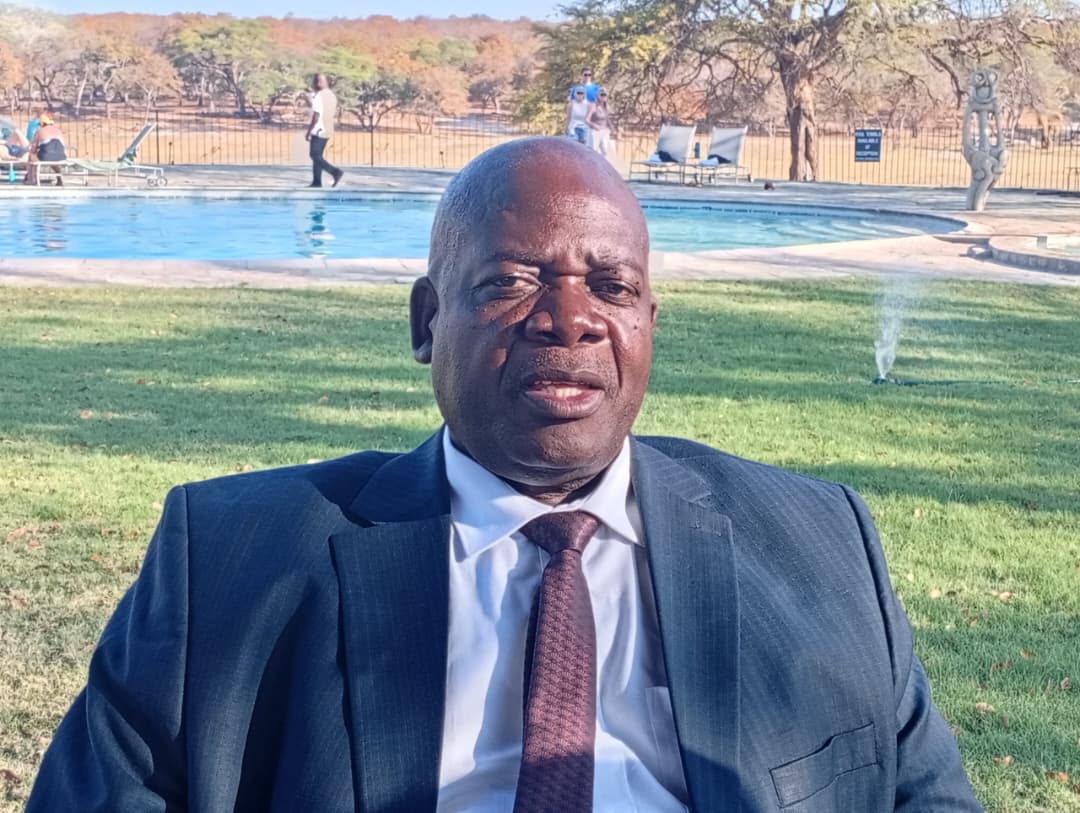
Runde RDC councillor Emmanuel Mhike advocated for the inclusion of cultural hubs in all wards in Zvishavane under the new master plan of the council’s development trajectory.
“Rural creatives often lack platforms to showcase or develop their work. Establishing community-based creative hubs and mobile cultural centres will bridge this gap. These hubs would serve as spaces for training, performances, exhibitions and mentorship,” said Clr Mhike.
Noreen Mutera, director of Chiundura-based Phakama Culture and Creative Arts organisation, emphasised the intersection between arts, early childhood talent identification and livelihoods development.
“Introducing children to the arts at an early age helps nurture creativity, confidence and communication skills, which are foundational for future livelihoods. Hence the need for structured programmes in schools and communities that not only identify artistic talent early but also create clear pathways for turning that talent into sustainable careers,” she said.
Mutera called for increased investment in arts education as a long-term strategy for building a vibrant and economically empowered creative sector.
Dr Ephraim Vhutuza from the Midlands State University Film and Theatre Arts Department highlighted the role of a collaborative approach in professionalising the arts industry.
“We work hand in glove with creative organisations such as Savannah Trust to offer students practical and contemporary exposure to arts expertise and governance through workshops, performances and collaborative projects,” he said.
Dr Vhutuza also underscored the importance of promoting cultural governance practices, including inclusivity and transparency in policy-making. “By linking academic research with industry practice, we can strengthen cultural policies and empower young creatives to thrive in a modern creative economy,” he said.
Meanwhile, Florence Mukanga Majachani, Co-ordinator of Arterial Network Zimbabwe, the convener of the Culture and Creative Industry consultative process, noted that her organisation is conducting a study to evaluate the contribution of the cultural and creative industry to national development.
“We aim to provide concrete data and insights that show how the sector contributes to economic growth, job creation, social cohesion and national identity,” she said.
Mukanga emphasised that such evidence-based research is essential for positioning the creative sector as a serious economic driver and for informing future investment and policy direction in line with the National Development Strategy (NDS2).


 Blessing Chizhande