Online Reporter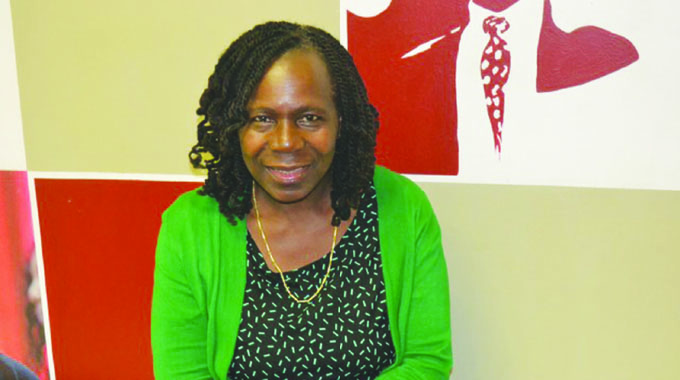
Rumbidzayi Zinyuke
Senior Health Reporter
IN the hushed corridors of oncology wards, where hope and heartbreak walk hand-in-hand, a silent crisis is unfolding.
The caregivers are crumbling.
While the nation rightly focuses on the valiant fight of cancer patients, a different battle is being waged by the very health workers who stand by their side.
They are the stewards of life and death, absorbing wave-after-wave of grief, trauma and exhaustion. And experts now warn that unless the country learns to care for its carers, it risks losing the backbone of its healthcare system.
Renowned oncologist Dr Anna Mary Nyakabau, one of Zimbabwe’s pioneering cancer specialists, is now calling for the establishment of a national “Care for Carers” programme to address these challenges.
She said the burden on healthcare workers was often overlooked, with little attention given to those who spent every day supporting patients through their most difficult moments.
“Sometimes it’s not about salaries. Many health workers are simply not coping with too much grief. We need programmes that care for the carers,” she said.
She said oncology care exposed health professionals to repeated grief, trauma, and exhaustion, which, if left unaddressed, could lead to compassion fatigue, burnout and serious mental health challenges.
“When you lose a patient you’ve walked with for months or years, it’s not easy. Even staff members cry. It affects us, too. Many times we have to debrief, talk to professionals or counsellors to find healing. But such support is not readily available in most health institutions,” she added.
Dr Nyakabau said when she began practising oncology in 1995, organisations such as Island Hospice were active in providing counselling and emotional support services for both patients and health workers. However, due to limited resources, they were now mostly offering training.
The urgency of her call is underscored by Zimbabwe’s growing cancer burden. Every year, the country reports approximately 7 000 new cancer cases. Among men, prostate cancer is most common, while cervical and breast cancer are the leading cancers among women.
Dr Nyakabau reiterated the need to create safe space for health workers to express their emotions and recover.
“Psychosocial problems can actually lead to a lot of consequences. We know about drug abuse in society, but it can also affect health workers. We have seen some ending up with psychiatric problems. These are not easy to detect, and treating a fellow health worker is often difficult,” she said.
The call for health worker support has also been echoed by Health and Child Care Minister Dr Douglas Mombeshora, who addressed the issue during the Zimbabwe Medical Association (ZiMA) annual Scientific Congress in Bulawayo recently.
He revealed that more than 70 health professionals were currently struggling with drug and substance abuse and urged medical practitioners, regulators, and training institutions to create support systems, including peer counselling and ethical reinforcement.
“Let’s face emerging challenges honestly. One urgent threat is drug and substance abuse, which is devastating young people and straining our health systems. Yet we cannot pretend that it is only out there; some health professionals themselves are also struggling with substance abuse. I urge ZiMA and regulators and training institutions to strengthen ethics, peer support and counselling. As doctors, we must remember that we cannot pour from an empty cup,” he said then.
According to Dr Nyakabau, a national Care for Carers framework would ensure regular debriefing sessions, confidential counselling, and proactive mental health screening for healthcare workers.
“If we have programmes that identify and support struggling healthcare workers early, it would go a long way in preventing burnout and maintaining quality care. It’s important that health workers know that their issues will not be paraded. Safe spaces must be created, and sometimes outreach is needed because many will not present themselves for help,” Dr Nyakabau said.
She stressed that caring for caregivers was not a luxury but a critical investment in the resilience of Zimbabwe’s health system.
Her call also comes amid growing recognition of mental health challenges among health professionals globally, with many countries integrating wellness and counselling into routine hospital management.
She said Zimbabwe could build on existing structures, including hospital social workers, hospice services and professional associations to establish a sustainable and confidential system that prioritises the mental well-being of healthcare providers.
“If we don’t take care of our caregivers, we risk losing them, and with it, the quality of care for our patients,” she said.