Online Reporter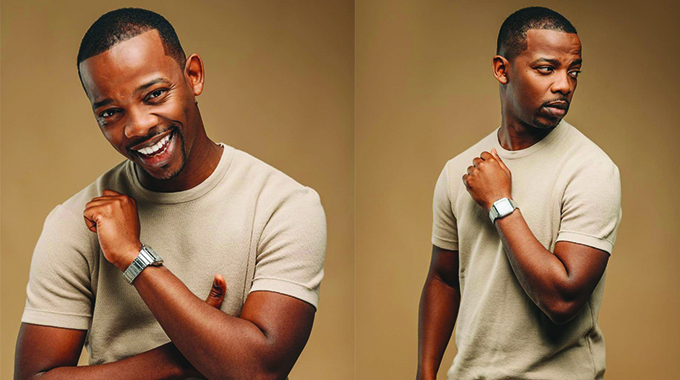
Zakes Bantwini
YESTERDAY (Sunday), the South African Music Awards (Samas) happened. I’m a musician, and I barely knew about it. That’s not me being careless — that’s where we are now. The Samas used to mean something. They used to mean everything. Now? Most of us in the industry didn’t even realise they were happening.
We need to talk about how we got here. I remember when the Samas made the whole country stop — a night when the nation celebrated its musicians, when a nomination meant something, and winning proved you’d made a cultural impact. Musicians, politicians, businesspeople, athletes, teachers, families — everyone gathered around their TVs.
The Samas weren’t just an industry event; they were a South African event. The cultural weight of that night was massive. Think about what the Grammys mean in America — that’s what the Samas used to be for us.
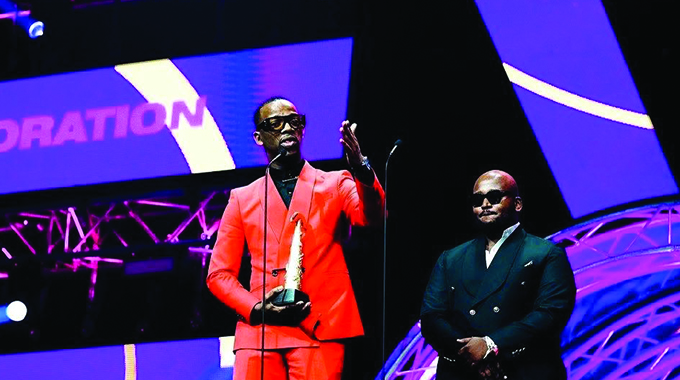
Now? Sunday came and went. Barely a mention on social media. Artistes weren’t there. Fans didn’t care. All that energy that used to surround this event — the red carpet, the interviews, the collaborations, the conversations — gone. We’ve let the Samas shrink from something the whole nation cared about to something most people don’t even notice.
Look, South African artistes are doing big things internationally. Tyla’s success shows the world is paying attention to what we’re creating here. The Grammys, BET Awards, international festivals — all these matter. They prove our music can compete anywhere.
But here’s what bothers me: we get more excited about global recognition than we do about our own awards. South African fans wait for the world to tell them who their best artistes are before they take notice.
I’m not saying international validation isn’t important. It is. Competing globally means you’re meeting world-class standards. But we can’t let chasing international recognition make us forget about our own institutions. When we do that, we’re saying our own people’s validation doesn’t matter as much. We’re teaching the next generation that you only matter if you get recognised overseas first.
The flag we carry internationally is our South African flag. The culture we export comes from here — from our communities, our townships, our experiences. Recognition abroad should add to what we celebrate at home, not replace it. When we neglect the Samas, we’re neglecting ourselves.
To everyone who’s been a Sama judge over the years, can you honestly look at where we are now and say you did justice to this industry? Year after year, artistes and fans complained about winners who didn’t make sense. Albums of the Year that nobody heard. Songs of the Year that weren’t playing anywhere. Artiste of the Year awards going to people fans had to Google. Many South Africans only heard certain winners’ names for the first time at the ceremony. That’s not okay.
I get it — the Samas aren’t supposed to be just a popularity contest. Craft matters. Innovation matters. Technical excellence matters. Sometimes the best work isn’t the most popular, and that deserves recognition. But there has to be a balance. When regular people — the fans who buy music, stream songs, and attend shows — look at the industry, can they really recognise or relate to who’s winning? Something feels off.
This disconnect has been building for years. Fans stopped trusting that the Samas reflected reality. Artistes stopped believing the awards were fair. And slowly, we all stopped caring.
To the judges who contributed to this, you need to own it. These awards lost credibility because of decisions made behind closed doors, year after year, ignoring what was actually happening in our music scene. The apathy we’re seeing now didn’t come from nowhere. It’s the result of people feeling shut out and disrespected.
But we can’t just blame judges and organisers. We as artistes have to look at ourselves too. When we don’t show up, we’re part of the problem. When someone wins an award and the stage is empty because they couldn’t be bothered to attend, what message does that send to fans? When we prioritise international gigs over our own national awards, we’re saying the Samas don’t matter. When we’re quiet on social media during the Samas but lose our minds celebrating Grammy nominations, we’re teaching South Africans to devalue their own.
These are our awards. They belong to us — the musicians, producers, composers and engineers. Everyone who makes South African music happen. If we don’t fight for them, who will?
Showing up to the Samas isn’t just about collecting trophies. It’s about connecting with fans who support us. It’s about engaging with media that amplify our work. It’s about meeting industry leaders, creating new collaborations, and giving content creators opportunities. It’s about mentoring younger artistes by showing them what it means to honour your craft and your community. It’s about showing up for South Africa.
We need to make ourselves available. We need to participate. We need to care.
We can’t talk about fixing the Samas without talking about Risa, the Recording Industry of South Africa. They run these awards, and they need to lead the reform.
This industry has given me everything — my career, my platform, my life. That’s why I won’t stop talking about what needs to change. Risda needs to make the judging process transparent. They need panels with diverse voices — not just the same gatekeepers, but people who are actually in touch with what’s happening: young curators, regional representatives, specialists across different genres.
Risa needs to rebuild trust. That means accountability, transparency, and a real commitment to recognising excellence wherever it comes from.
It’s a lot of work, but it’s not impossible. Other countries have reformed their music awards to reflect what’s actually happening. We can do the same. However, it requires leadership with vision and the courage to implement genuine changes — not just superficial adjustments.
Imagine the Samas mattering again. Artistes clearing their calendars months ahead because being there is non-negotiable. Fans debating nominations because the awards actually reflect the music they hear and love. A Sama win carrying the same weight as any international award. The ceremony becoming this amazing moment where creativity is celebrated, networks are built, and culture is showcased.
We could have that again. But it takes all of us wanting it. Artistes need to show up with the same energy we bring to international opportunities. Judges must perform their duties with integrity and transparency. RISA needs to lead real reform. The media needs to cover the Samas like the major cultural event they should be. Sponsors need to invest properly. And fans need to demand excellence and hold everyone accountable.
So, what are we teaching the next generation? I think about young musicians coming up — kids in townships, suburbs, rural areas — practising in bedrooms, performing in small venues, dreaming big. What message are we sending them when we can’t even keep our most visible institutions alive? If we let the Samas fade completely, we’re robbing them of something to work towards. We’re telling them that only international validation matters. We’re destroying the infrastructure that should support and celebrate them throughout their careers — not just if they happen to break through globally.
They deserve better. We deserve better. South Africa deserves better. The Samas are ours. Their future depends on whether we care enough to save them. I care. I’m calling on every artiste, everyone in the industry, every fan, every South African who’s ever been moved by our music: let’s do this together. These are our awards. Our industry. Our culture. Let’s reclaim them.
Zakes Bantwini (born Zakhele Madida) is a South African singer, producer, entrepreneur, and cultural pioneer who has established himself as a major force in both music and business.