Online Reporter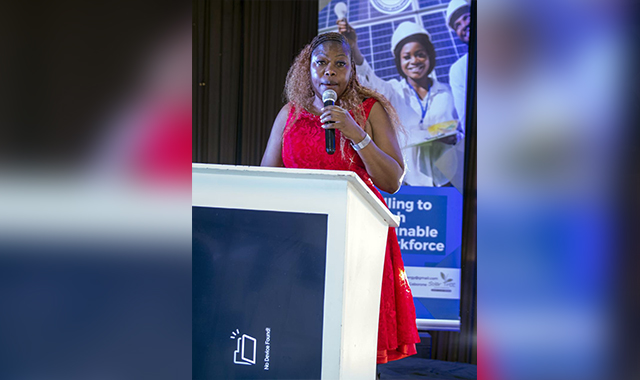
Judith Phiri [email protected]
WOMEN miners are calling for all-gender inclusivity in the Southern African Development Community (SADC)’s artisanal and small-scale mining sector to ensure they are positioned equally within critical mineral value chains and regional policy frameworks.
Speaking at the SADC Critical Minerals Awareness and Participation Meeting in Gaborone, Botswana, BlackSpider- All Gender Inclusive Mining Organisation CEO Ms Rudo Choice Shumba from Zimbabwe, said equal opportunity for women in the mining sector was critical.
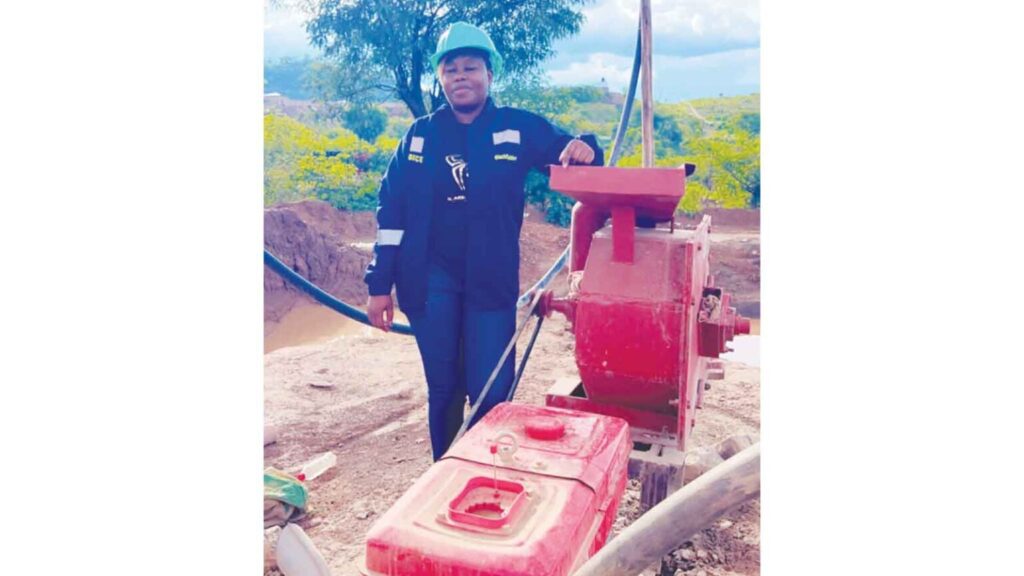
“I’m here not just as a mining operator, but as proof that citizen participation is possible. Blackspider started with US$400 and a hammer mill.
“Today we are working to formalise, train and create opportunities for women and youth in artisanal and small-scale mining. If we could do it, thousands more can, if we fix the system around them,” she said.
“Women are already mining. But we face additional barriers such as access to finance, safety, and recognition. We made a deliberate choice to be all-gender inclusive because diversity makes us stronger and safer.”
She said there was need for targeted funds, training and technology for women-led enterprises as when women win in mining, communities win.
Ms Shumba said in mining, formalisation must work for the people, while right now artisanal and small-scale mining formalisation was expensive, slow and confusing.
“Many miners stay informal not because they want to, but because the cost of permits and compliance is higher than their monthly income. If we want formalisation, we need one-stop centres, group licensing through cooperatives, and mentorship so that miners understand the process. Formalisation should open doors, not close them,” she added.
She said second, market access must be fair as to who gets to sell and on what terms.
Ms Shumba said today too many citizen miners sell raw minerals to middlemen at unfair prices because they have no information, no contracts and no direct link to buyers.
“We need regional market platforms, transparent pricing, and policies that require a percentage of procurement to go to local, citizen-owned enterprises. Value must be captured in SADC, not just extracted from it.”
She said the minerals were there in the soil such as lithium, nickel, copper, graphite, cobalt and gold among others and they will power the world’s future.
However, Ms Shumba said the question for SADC was will the value stay with the citizens.
“That happens when we formalise with dignity, trade with fairness and invest in people. We need to building practical solutions together that focus on improving safety, reducing environmental impact and using advanced technology to optimise extraction.”
The event was hosted by Institute of Energy and Technology Development (IETD) in collaboration with The Small Scale Miners Association of Botswana (SSMAB), to explore opportunities in lithium, regional value chains, licensing, skills development, enterprise and citizen participation.
SADC is shifting its focus from exporting raw materials to locally processing critical minerals like lithium, cobalt, and platinum to drive regional industrial growth.