
Zimpapers Business Hub
THE Indigenous Petroleum Association of Zimbabwe (IPAZ) has raised concerns over the illegal sale of fuel and called for stronger enforcement of licensing regulations to promote fair competition, protect consumers and ensure compliance with petroleum-sector regulations.
IPAZ is a petroleum industry lobby group for indigenous fuel importers and dealers in Zimbabwe. Its role includes negotiating fuel allocations and licensing frameworks with the Zimbabwe Energy Regulatory Authority (ZERA).
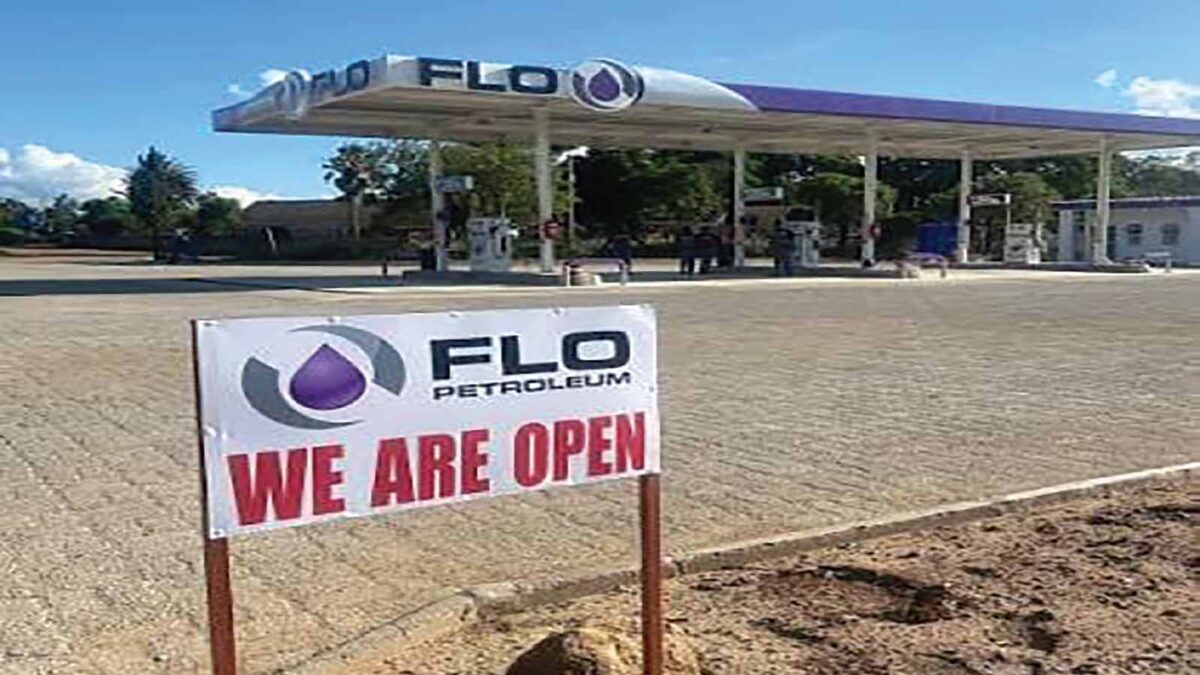
Flow Petroleum head Mr Nathan King told guests at the 2026 Pre-strategy Review Meeting Workshop-Stakeholder Consultation and Feedback recently that ZERA should be more proactive in addressing informal fuel trading.
“We are missing the formal areas. We just find that in the industrial areas there is a lot of informal trading. We just need to see you guys a lot more proactive in that area,” he said.
Mr King commended ZERA for maintaining open communication with industry players and responding to their concerns.
He said engagement between the regulator and IPAZ had improved over time, with tangible progress being recorded in addressing some of the industry’s concerns.
“IPAZ comprises about 27 companies, with approximately 200 retail outlets, highlighting the association’s role in representing players in the petroleum sector,” said Mr King.
“We encourage ZERA to sustain its engagement with industry stakeholders; continued communication is critical to resolving operational challenges and improving the business environment.”
Mr King said the volatility in global international oil markets had increased the need for a pricing framework that responds quickly to changes in global fuel prices.
He noted that international prices could rise sharply overnight, with changes affecting fuel purchasing costs within a few days.
“We at IPAZ are aware that the consumer needs to benefit when the price is coming down. So we are not opposed to a weekly price format,” said Mr King.
Zimbabwe National Chamber of Commerce (ZNCC) Matabeleland Chapter past vice president and businessman Mr Louis Herbst said the increase in fuel stations across Zimbabwe reflects changing investment patterns and potentially growing demand for mobility, but it also raises important questions about how planning of the infrastructure is being done.
“We must be careful not to assume that more fuel stations automatically mean a proportionate increase in vehicle ownership or economic productivity,” he said.
“Nevertheless, the reported expansion of the vehicle fleet makes it necessary to examine whether our road network and urban transport systems are keeping pace.
“My concern is that we may be expanding the infrastructure that supplies vehicles with fuel without investing sufficiently in the infrastructure that must accommodate those vehicles. Roads, junctions, drainage systems, parking facilities and public transport cannot be planned independently of residential, commercial and industrial development.”
Mr Herbst said if vehicle population and traffic demands grow faster than road capacity, congestion will become more severe, travel times will increase and the cost of moving people and goods will rise.
He said widening roads alone will not necessarily solve the problem and there was a need to integrate urban planning, reliable public transport and better traffic management.
“I believe Zimbabwe needs a coordinated approach in which fuel station approvals and other major developments are informed by traffic-impact assessments and long-term infrastructure plans,” said Mr Herbst.
“We should also examine how road-user revenues are allocated and how effectively they translate into road maintenance and rehabilitation.
“There is an opportunity for Government, local authorities and the business community to work together through transparent public-private partnerships to finance and deliver infrastructure improvements.”
Ultimately, Mr Herbst said, the question is not simply how many fuel stations or vehicles we have; it is whether the transport system can support economic growth efficiently, safely and sustainably over the next 10 to 20 years.
Youth Network Connect (YNC) managing director Mr Philimon Nyirenda said the rise in fuel stations across Zimbabwe reflects the growing number of vehicles on roads.
He said beyond the expansion of legitimate fuel stations, the growing number of illegal fuel outlets raises serious concerns regarding regulatory compliance,
fuel quality, public safety and fair competition.
“While the growth of the fuel sector may indicate expanding business opportunities and changing consumer needs, it is equally important to ensure that this growth is also supported by effective regulation, proper licensing and strict adherence to safety standards,” he said.
“Importantly, the focus should not only be on the increasing number of fuel stations, but also on whether their expansion is commensurate with vehicle ownership, economic activity and the country’s broader development needs.”