Online Reporter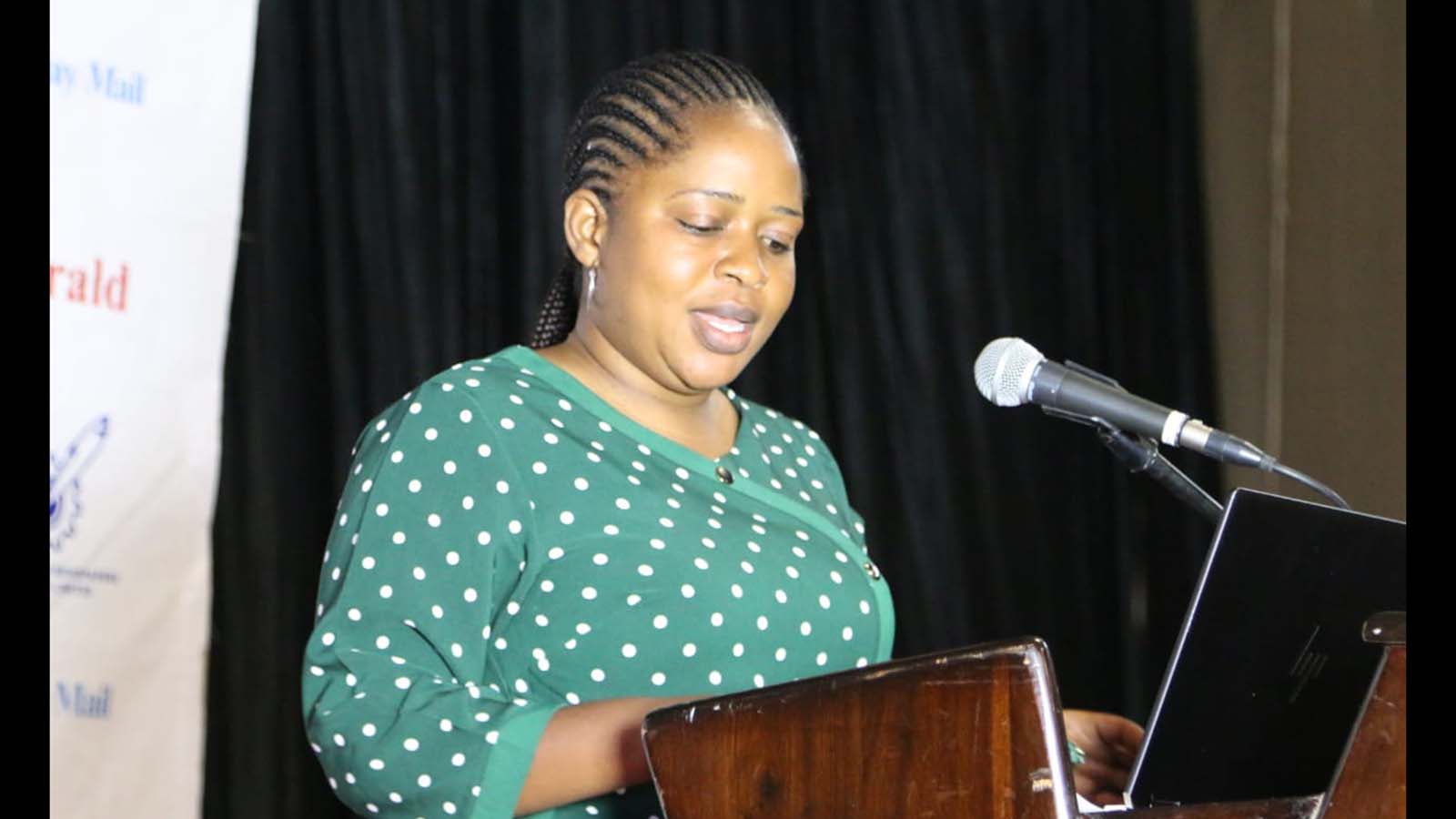
Elita Chikwati
Farmers have been urged to prioritise moisture conservation, water harvesting and soil health as the country braces for an El Niño-induced drought this season.
Presenting at the Zimbabwe 2026/27 Agricultural Season – A Whole Value Chain Preparedness Summit organised by Zimpapers, Seed Co head of agronomy in
Africa, Mrs Wendy Madzura said simple practices such as maintaining ground cover are already showing results.
“If you remove the layer of grass, you will see that there is a lot of moisture that is conserved there. There is a lot of insect activity. So this speaks to improved quality of your soil in terms of its retention of water as well as improved soil organic matter content,” she said.
She urged farmers to adopt water harvesting.
“It means in terms of our land preparation we need to be having those tied ridges, those potholing activities coming into play so that you keep the water in one area for as long as possible to allow it to go deeper into the soil profile,” she said.
“Let us take it up and put it on all our field crops and even our horticulture fields so that we are also getting the value,” she said.
On pest management, Mrs Madzura said moisture stressed crops were more vulnerable.
“Have you ever noticed that stress also increases the susceptibility of insect pests to come into a field? So crops that are weak, crops that are not healthy, that are showing signs of wilting are most likely to suffer from problematic insect pests like fall armyworm.
” Preparedness is the game changer. Anticipatory approach is the game changer. When you know you are better prepared and you can do better,” she said.
On planting, farmers were advised to wait for effective rainfall of over 30 mm cumulatively and to check the 10 to 14-day forecast before planting.
However, with a late onset expected, farmers may need to be flexible.
“You might need to bend the rules slightly as long as you have received this cumulative rainfall and you have checked with your weather forecast for the next 10 days, 14 days and there is a bit of rainfall activity coming through, you can then plant as long as you have received that volume of over 30 millimetres,” he said.
She said November was likely to be dry and planting may only be viable from late November into December, with start dates varying by ecological region.
“The planting dates will be communicated by the rightful patrons, the Meteorological Services Department, but it looks like November might not be good for us to plant,” she said.