Michael Tome
Business Reporter
THERE is urgent need to adopt responsive economic policies to accelerate the formalisation of small businesses in Zimbabwe, players in the sector have said.
According to the players, the current policy frameworks do not adequately recognise the structural inequalities faced by SMEs, particularly those run by women.
They argue that targeted incentives could unlock significant economic value and broaden the country’s tax base.
The SMEs sector is a cornerstone of Zimbabwe’s economy, accounting for approximately 60 to 70 percent of gross domestic product (GDP) and employing the vast majority of the national workforce.
Representing nearly three-quarters of all businesses in the country, the sector serves as a primary driver for poverty alleviation and livelihood support.
Several SMEs operate informally and are bypassed by the Government or big business procurement procedures, translating to minimal contribution to the fiscus.
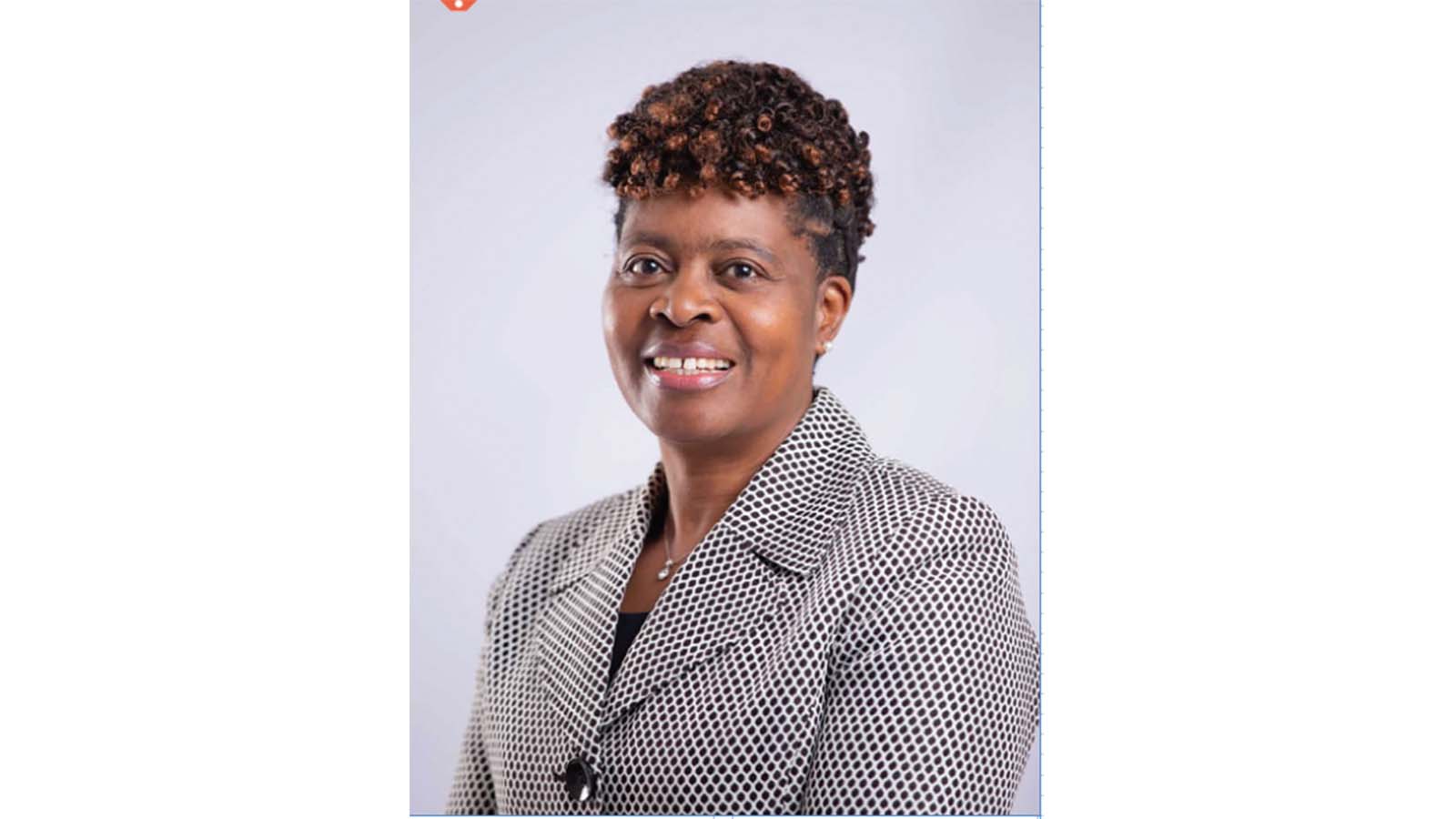
Speaking at a Next She Exporter High Tea event organised by ZimTrade last week, the managing director of development finance consulting firm Mustard Seed Advisory, Mrs Petronella Ditima, proposed a review of Zimbabwe’s taxation framework, particularly for women-led enterprises.
She suggested that lowering tax thresholds for such businesses could encourage formalisation, which ultimately increases Government revenue.
“If taxation brackets were lowered for women entrepreneurs and SMEs, the Government could actually collect more than it is currently collecting,” he said.
“At the moment, the authorities have not put in place enough incentives for businesses to formalise.
“We really need to have policies that favour women and SMEs because we are not starting from the same position. If we tailor policies to reflect that reality, we can stimulate more inclusive growth.”
Formalisation remains a major challenge in Zimbabwe’s SMEs sector, with many enterprises operating outside the tax net due to regulatory burdens and limited perceived benefits.
According to FinScope 2022 data, only about 480 SMEs are formally registered out of an estimated 56 000 enterprises — a figure Mrs Ditima believes has since risen to around 60 000, further widening the gap.
“That number is just a drop in the ocean. We need real, practical incentives that make it worthwhile for businesses, especially those led by women, to formalise,” she said.
She proposed incentives that include preferential access to Government procurement opportunities and quota-based participation frameworks for women-owned businesses.
Mrs Ditima said such interventions would provide tangible rewards for formalisation and help integrate more women into mainstream economic activity.
“If you formalise as a woman, there must be clear benefits, whether it is a guaranteed percentage in Government procurement or access to special financing windows,” she said.
“That is what will drive participation.”
Her remarks come at a time when programmes such as ZimTrade’s Next She Exporter initiative are working to empower women entrepreneurs to access international markets.
While acknowledging the programme’s impact, Mrs Ditima stressed that its reach remained limited relative to the scale of the challenge.
“We appreciate the work being done by ZimTrade, but we need to go beyond a few hundred participants. We must create an ecosystem that brings thousands of women into trade and investment,” she said.
Beyond policy reform, Mrs Ditima highlighted the need for financial literacy and business management training among women entrepreneurs and SMEs, noting that improved financial skills would enhance sustainability and competitiveness.
“Women and SMEs need to be taught how to manage finances effectively,” she said. “That is critical if we are to see long-term success in enterprise development.”
Improving SME formalisation could significantly enhance domestic resource mobilisation, reduce informality and support broader economic stability.
With women-owned businesses constituting a substantial share of Zimbabwe’s informal sector, targeted interventions could play a pivotal role in driving inclusive economic transformation.
As policymakers seek to widen the tax base and stimulate growth, stakeholders say aligning incentives with the realities faced by women entrepreneurs may prove key to unlocking the full potential of the SMEs sector.
ZimTrade chief executive officer Mr Allan Majuru said the national trade development and promotion organisation had lately been intensifying efforts to promote women-led businesses and SMEs in a bid to grow their contribution to the fiscus.
“The focus of the recently launched hub (SheTrades Zimbabwe) is on trade promotion, equipping women with export certifications, navigating tariffs and logistics, forging buyer connections in key markets and crafting strategies for e-commerce and trade fairs,” he said.
“We have seen it work — programme businesses shifting from informal setups to formal retail and beyond, with better packaging, standards and branding that draw international buyers and unlock exports to SADC (Southern African Development Community), Africa, Europe and beyond.”
Local SME associations are on record calling for a simplified tax regime to encourage the formalisation of businesses and curb the high level of informality in the economy.
Simplified taxation for SMEs in developing countries is generally introduced to facilitate voluntary tax compliance and remove obstacles to moving towards business formalisation and growth.
Normally, the simplified tax regime is designed in the form of a simple lump sum or fixed amounts.
Findings show that despite the operation of such a regime, some small firms may be deterred from formalising due to perceived excessive tax burdens, compliance costs and risks (including risks of punishment for real or alleged non-compliance).
SME Association of Zimbabwe chief executive officer Mr Farai Mutambanengwe is on record advising Finance, Economic Development and Investment Promotion Minister Professor Mthuli Ncube to revisit the idea of a simplified tax regime as a way of enhancing compliance in the informal sector.
“We requested a simplified tax regime for MSMEs (micro, small and medium enterprises) a few years ago, which was part of a rapid response initiative.
“Clearly, that submission has now gathered dust. We would like the minister to dust it up, look at it again as a way of taxing the MSMEs sector,” said Mr Mutambanengwe.
According to the World Bank, very simple fixed tax regimes that do not require much bookwork or records tend to be overly popular, but prone to abuse.