Online Reporter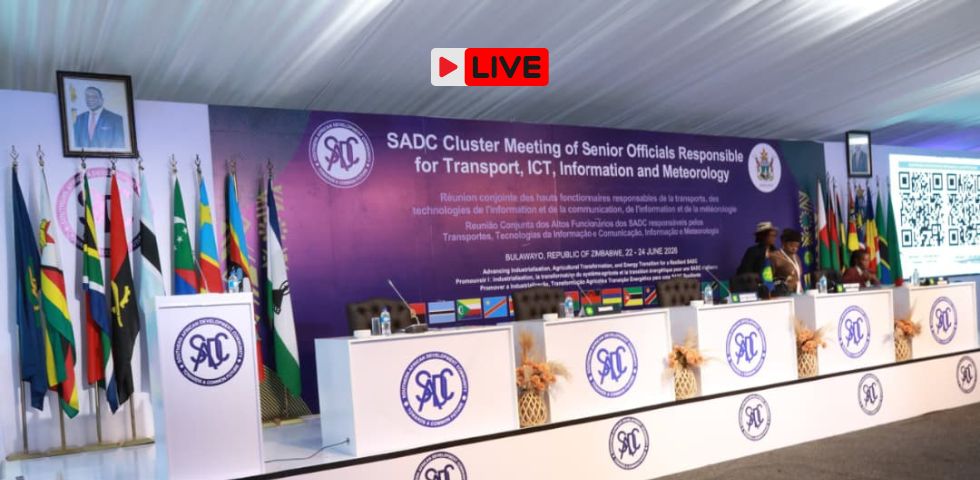
Welcome to our live coverage of the Southern African Development Community (SADC) Cluster Meeting of Ministers Responsible for Transport, Information and Communication Technologies (ICT), Information and Meteorology, taking place in Bulawayo from today to June 26.
The Government of Zimbabwe is hosting the high-level regional meeting through the Ministry of Transport and Infrastructural Development, the Ministry of Information Communication Technology, Postal and Courier Services, the Ministry of Environment, Climate and Wildlife, and the Ministry of Information, Publicity and Broadcasting Services.
Ministers and senior policymakers from all 16 SADC Member States are expected to attend the five-day gathering, which focuses on infrastructure development, digital transformation and regional integration.
Our Senior Reporter Sikhumbuzo Moyo and Chief photographer Eliah Saushoma will be giving us updates.
WATCH: SADC States urged to fast-track infrastructure projects
SADC member states have been urged to accelerate the implementation of regional infrastructure projects and ensure that decisions taken at regional level translate into tangible benefits for citizens across the region.
Speaking during the opening of the SADC Cluster Meeting of Ministers Responsible for Transport, ICT, Information and Meteorology in Bulawayo on Monday, South Africa’s Director-General in the Department of Communications and Digital Technologies and chairperson of the Committee of Senior Officials, Ms Nonkqubela Thathakahle Jordan-Dyani, said the sectors under discussion remain critical enablers of economic growth, trade, connectivity and sustainable development.
She commended the Government of Zimbabwe for hosting the meeting and providing excellent arrangements for delegates.
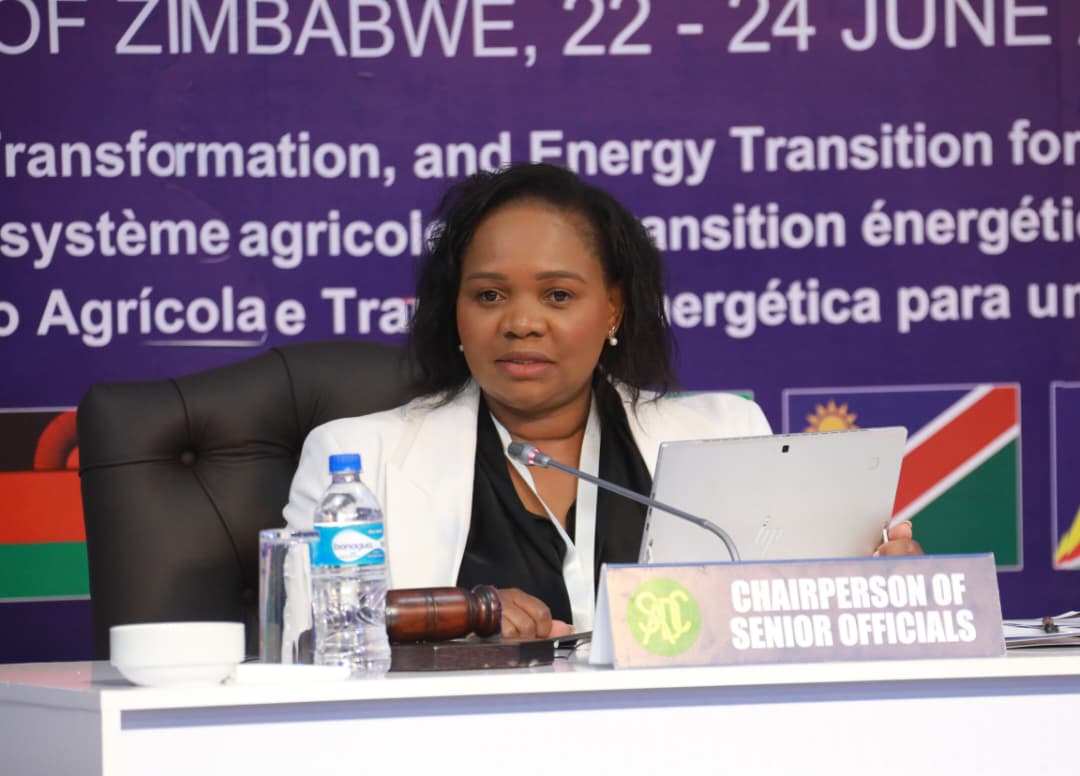
“These sectors remain critical enablers of economic growth, trade, connectivity as well as sustainable development across our region. Our citizens look to SADC not only for commitments and declarations, but for tangible improvements in their daily lives. They expect integrated and modern transport networks, greater and affordable digital connectivity, improved access to information, stronger climate resilience and opportunities that support economic growth, entrepreneurship and job creation,” said Ms Jordan-Dyani.
She said senior officials have a responsibility to ensure regional co-operation mechanisms operate effectively and deliver measurable outcomes.
“As senior officials, our responsibility is clear — to ensure that regional co-operation mechanisms operate effectively with clear accountability and deliver measurable outcomes. We serve as the bridge between the strategic decisions of our ministers and heads of state and practical implementation of regional programmes and policies,” she said.
Ms Jordan-Dyani noted that the regional integration agenda remains anchored in the SADC Vision 2050 and guided by the Regional Indicative Strategic Development Plan (RISDP) 2020-2030.
She said delegates would spend the next three days reviewing progress in key sectors, including regional connectivity, policy and regulatory frameworks, innovation, transport infrastructure and meteorological co-operation.
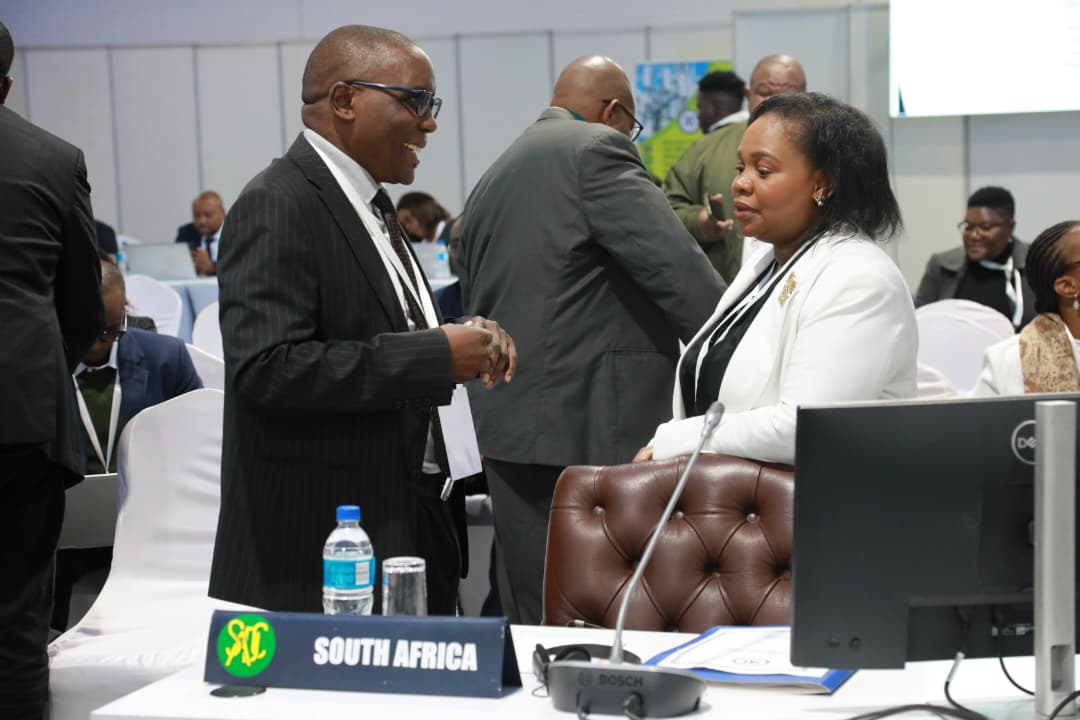
“Our agenda is both substantive and strategic. On information and communications technologies, we will be reviewing progress in expanding regional connectivity, strengthening policy and regulatory frameworks, advancing research and innovation, promoting industry development and enhancing regional postal services,” she said.
“On transport and meteorology, we will consider progress related to aviation, road transport infrastructure, regional transport corridors, transport management and meteorological co-operation. These sectors remain fundamental to facilitating trade, mobility, economic competitiveness and regional integration.”
Ms Jordan-Dyani emphasised the importance of reviewing the implementation of decisions previously adopted by ministers, saying the credibility of regional institutions depended on effective execution.
“The credibility of our regional institutions depends not only on the quality of the decisions we make or propose to our principals, but also on our ability to implement them effectively. This review presents an opportunity to assess progress, identify implementation challenges and strengthen accountability across our programmes and institutions,” she said.
She challenged delegates to reflect on whether the pace of implementation of regional infrastructure projects was satisfactory and whether regional connectivity was being transformed into increased trade, investment and economic opportunities.
“The true measure of our success lies not in the number of meetings we hold, but in the impact of our collective action,” she said.
The cluster meeting brings together senior officials from SADC member states and regional partners to deliberate on issues affecting transport, ICT, information and meteorology, with outcomes expected to contribute towards improved regional connectivity, trade facilitation and resilience to climate and economic challenges.
Zimbabwe welcomes SADC delegates to key regional infrastructure meeting
ZIMBABWE has welcomed fellow SADC member states to the Sixth SADC Cluster Meeting of Ministers Responsible for Transport, ICT, Information and Meteorology, currently underway at the Zimbabwe International Exhibition Centre in Bulawayo.
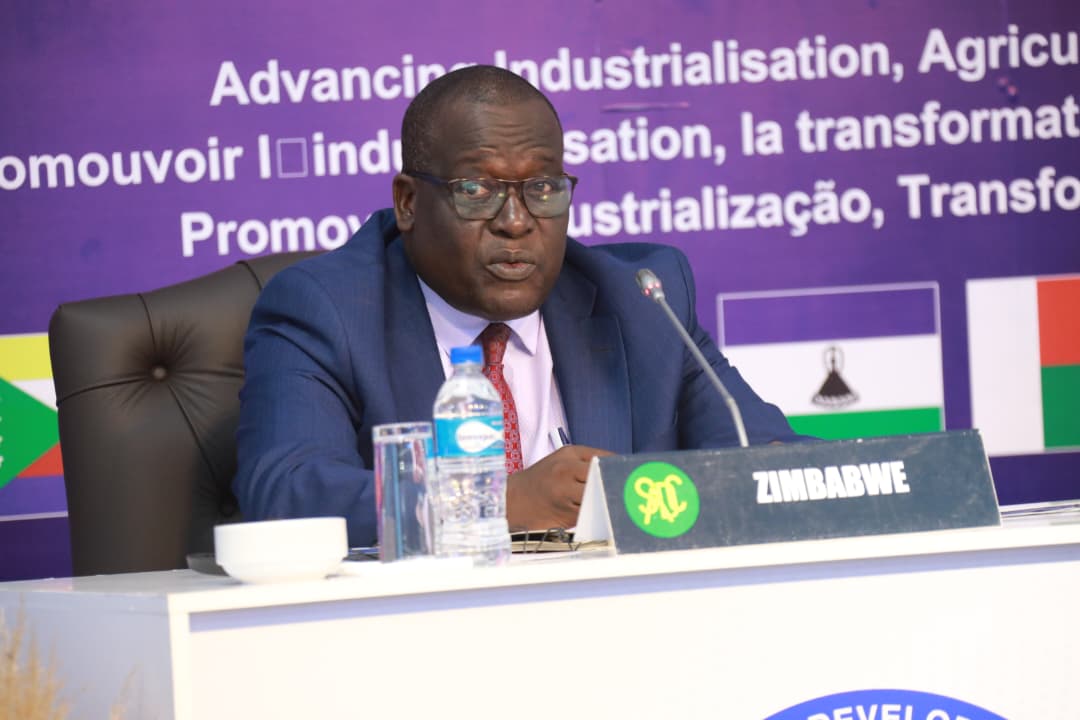
The meeting has brought together member states, SADC Secretariat officials, policymakers, technical experts and stakeholders committed to advancing regional integration, economic development and sustainable growth across the region.
In his welcome remarks, Bulawayo Provincial Affairs and Devolution Permanent Secretary Mr Paul Nyoni said the sectors represented within the cluster — Transport, ICT, Information and Meteorology — are critical enablers of socio-economic development.
“These sectors facilitate trade and investment, connect people and markets, enhance access to information and services, and strengthen the region’s capacity to respond to emerging challenges, including those associated with climate change, technological transformation and innovation,” he said.
Mr Nyoni noted that SADC member states recognise regional integration as one of the most effective pathways towards achieving sustainable economic growth, industrialisation and shared prosperity.
He said the development of efficient transport networks, modern digital infrastructure, reliable information systems and effective meteorological services remains central to achieving the region’s development objectives.
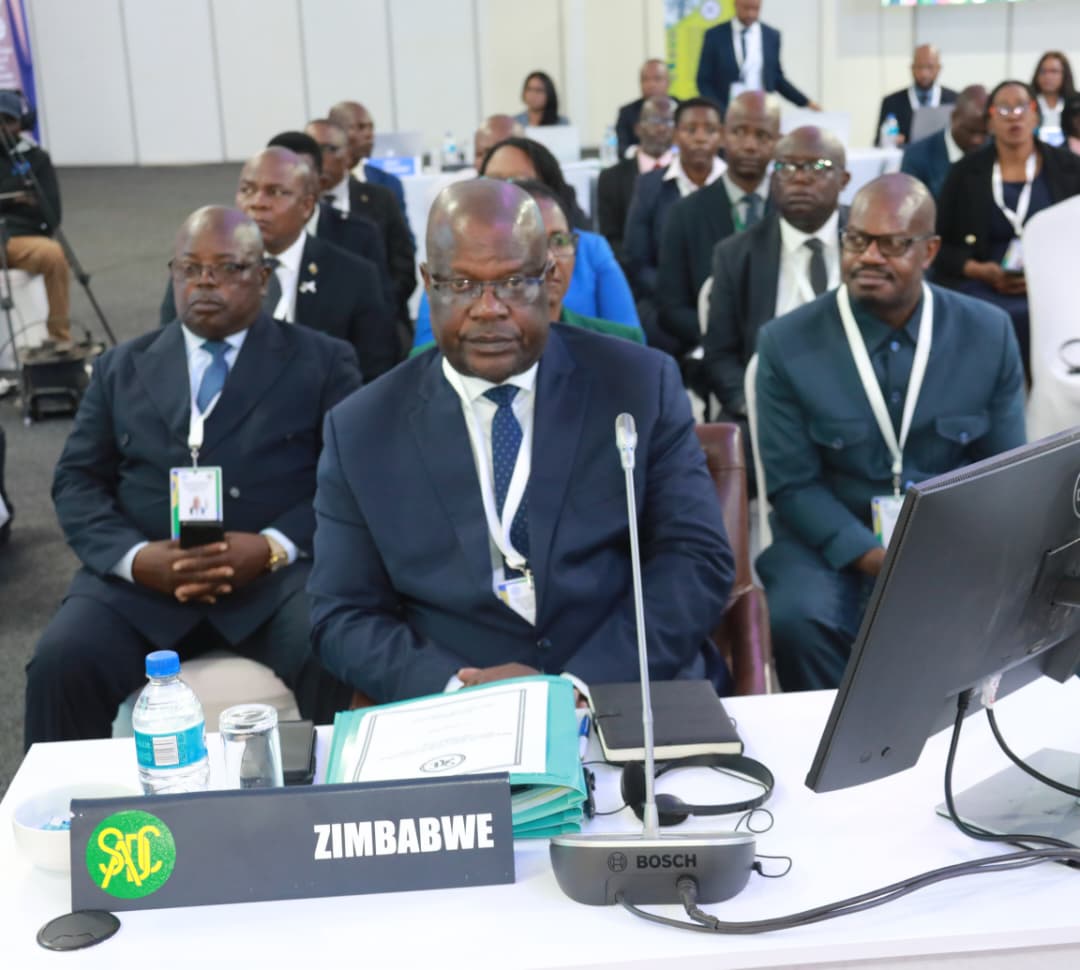
The meeting, he added, provides an important platform to review progress in implementing regional programmes and projects, exchange experiences and best practices, identify challenges and opportunities, and strengthen collaboration in pursuit of common goals.
Mr Nyoni reaffirmed Zimbabwe’s commitment to the ideals and objectives of the Southern African Development Community, saying infrastructure development, digital transformation, innovation and digital productivity remain key priorities under the country’s national development agenda.
“We therefore attach great importance to initiatives that promote the seamless movement of people, goods, services, information and capital across the region,” he said.
Mr Nyoni welcomed the inclusion of a High-Level Ministerial Roundtable Dialogue on the theme, “Advancing Climate-Smart and Resilient Infrastructure Through Innovation and Artificial Intelligence in the SADC Region,” saying it reflects the growing importance of innovation and emerging technologies in addressing regional development challenges and building resilient infrastructure for the future.
He said Zimbabwe was delighted to host delegates in Bulawayo, a city renowned for its rich cultural heritage and hospitality.
Mr Nyoni expressed confidence that the deliberations would contribute significantly to strengthening regional co-operation and advancing the socio-economic development aspirations of the region.
The Sixth SADC Cluster Meeting is expected to deliberate on key issues affecting transport, information and communication technologies, information services and meteorology, with outcomes aimed at improving regional connectivity, trade facilitation and resilience across Southern Africa.
SADC Ministers’ cluster meeting enters day four in Bulawayo
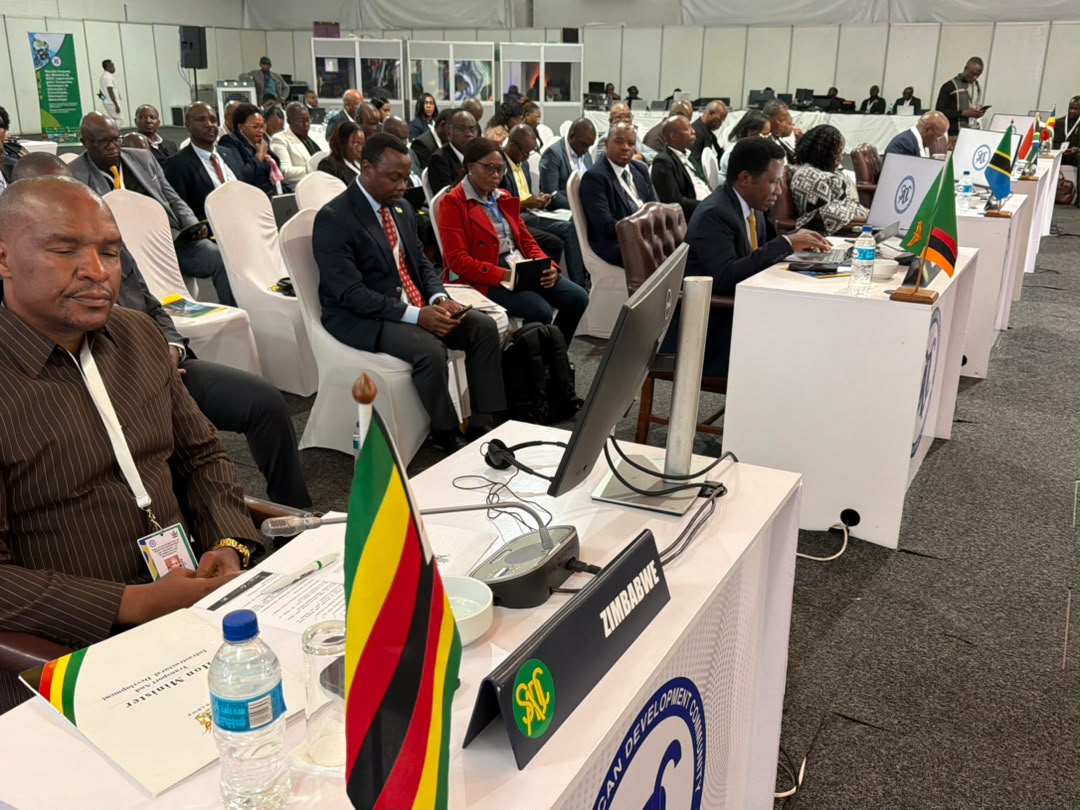
THE Southern African Development Community (SADC) Cluster Meeting of Ministers enters its fourth day today at the Zimbabwe International Exhibition Centre, with delegates set to deliberate on key issues aimed at accelerating regional integration and sustainable development.
A major highlight of today’s programme will be a High-Level Ministerial Round Table Dialogue focusing on Liberalised Skies and Artificial Intelligence (AI)-Enabled Climate-Resilient Infrastructure as catalysts for regional integration and sustainable development within the SADC region.
The dialogue is expected to bring together ministers, policymakers, development partners and technical experts to explore strategies for enhancing regional connectivity through the liberalisation of air transport while harnessing emerging technologies to strengthen infrastructure resilience in the face of climate change.
Delegates are also expected to discuss how AI-driven solutions can support sustainable infrastructure development, improve disaster preparedness and response, and boost economic growth across member states.
The meeting forms part of a series of engagements bringing together ministers responsible for transport, information and communications technology, meteorology and other related sectors to align regional policies and programmes aimed at advancing SADC’s integration agenda.
Zimbabwe is hosting the high-level gathering, which has attracted delegates from across the region and is expected to produce recommendations that will inform future policy direction on transport connectivity, digital transformation and climate resilience within SADC.
Zimbabwe reaffirms commitment to regional integration at SADC dialogue
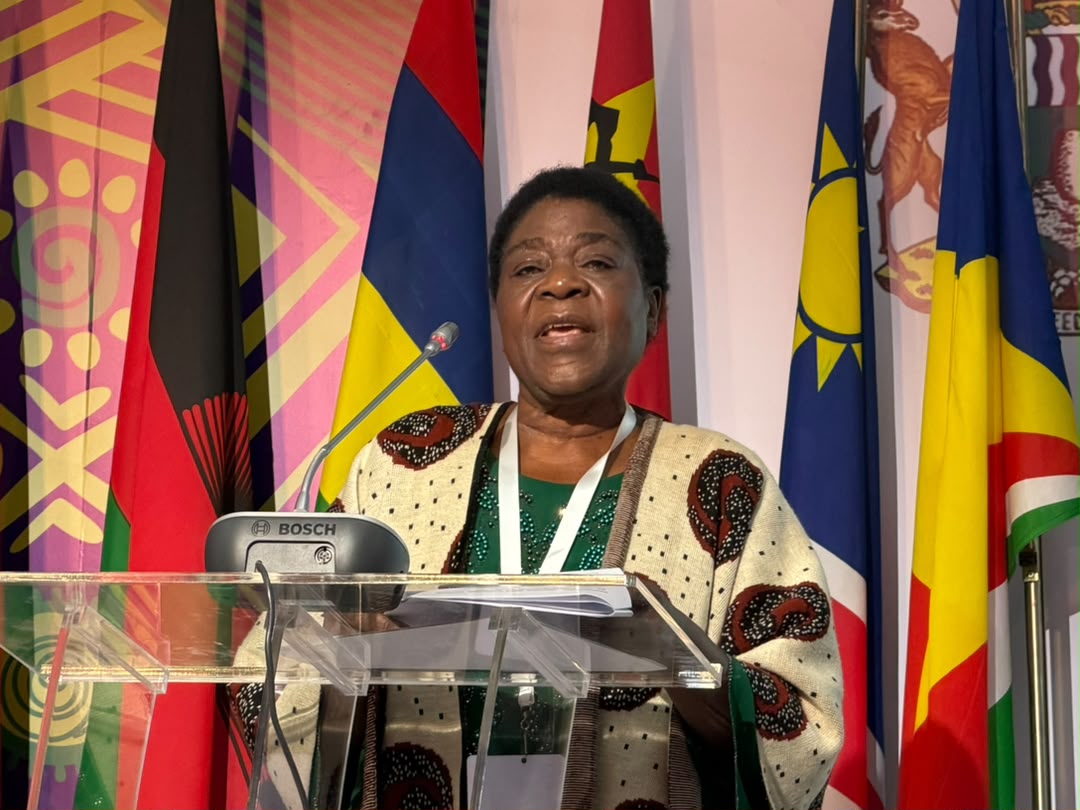
ZIMBABWE has reaffirmed its commitment to regional integration and sustainable development through continued investment in transport infrastructure, digital transformation and meteorological services.
Speaking in her welcome remarks at the Southern African Development Community High-Level Ministerial Round Table Dialogue at the Zimbabwe International Exhibition Centre in Bulawayo on Thursday, Bulawayo Minister of State for Provincial Affairs and Devolution, Judith Ncube, said the gathering of ministers responsible for transport, information and communication technologies (ICTs), information and meteorology underscored the region’s shared commitment to advancing integration, cooperation and socio-economic transformation.
She commended the SADC Secretariat for its continued support in driving the regional agenda and facilitating collaboration among member states.
Minister Ncube said transport, ICTs, information and meteorology were mutually reinforcing sectors that play a critical role in promoting trade, investment, connectivity, resilience and sustainable development across the region.
“The transport sector remains a cornerstone of SADC’s regional integration agenda as it connects people, markets and industries while facilitating the movement of goods and services across borders. Zimbabwe continues to prioritise transport infrastructure development as a catalyst for economic growth and regional connectivity,” said Minister Ncube.
She said among the flagship projects is the upgrading of the Beitbridge-Harare Road Corridor, a key segment of the North-South Corridor, and the modernisation of the Beitbridge Border Post, which has significantly improved the efficiency of cross-border trade.
She said work is also underway to upgrade the Chirundu and Forbes border posts, while collaboration with neighbouring countries is being strengthened to facilitate seamless trade and transport operations.
“Investments in airport infrastructure, including the Robert Gabriel Mugabe International Airport and the Joshua Mqabuko Nkomo International Airport, have enhanced Zimbabwe’s capacity to accommodate growing passenger and cargo traffic while improving regional and international connectivity.
“On the digital front, Zimbabwe has made significant progress in expanding digital infrastructure, improving connectivity and promoting e-government services,” said Minister Ncube.
She told delegates that the country continues to invest in broadband infrastructure, digital platforms and cybersecurity frameworks while supporting innovation, entrepreneurship and digital inclusion.
Zimbabwe also reaffirmed its support for the implementation of the SADC Digital Transformation Strategy and other regional initiatives aimed at fostering interoperability, expanding digital access and harnessing opportunities presented by the Fourth Industrial Revolution.
In the area of meteorology, Minister Ncube said the country has strengthened weather observation systems, forecasting capabilities and early warning mechanisms to improve preparedness and response to climate-related hazards.
She said enhanced technological cooperation, data sharing and early warning systems would be critical in building resilient communities and economies as climate change continues to affect the region.
“Every road rehabilitated, digital platform established, information-sharing mechanism strengthened and weather monitoring system improved contributes to the broader vision of a more integrated, connected and resilient Southern Africa,” said Minister Ncube.
She said despite the progress made, member states still face challenges including ageing infrastructure, climate-induced disruptions, the digital divide, misinformation and the high cost of cross-border logistics.
Addressing these challenges, she said, requires coordinated regional responses, harmonised policies, stronger institutions and sustained investment.
“This meeting provides member states with an opportunity to strengthen transport corridors, accelerate digital transformation, enhance information cooperation, improve meteorological services and develop resilient infrastructure capable of supporting inclusive economic growth. Remain guided by the principles of solidarity, mutual benefit and shared prosperity in these deliberations,” said Minister Ncube.
WATCH: Minister calls for urgent implementation of Single African Air Transport Market
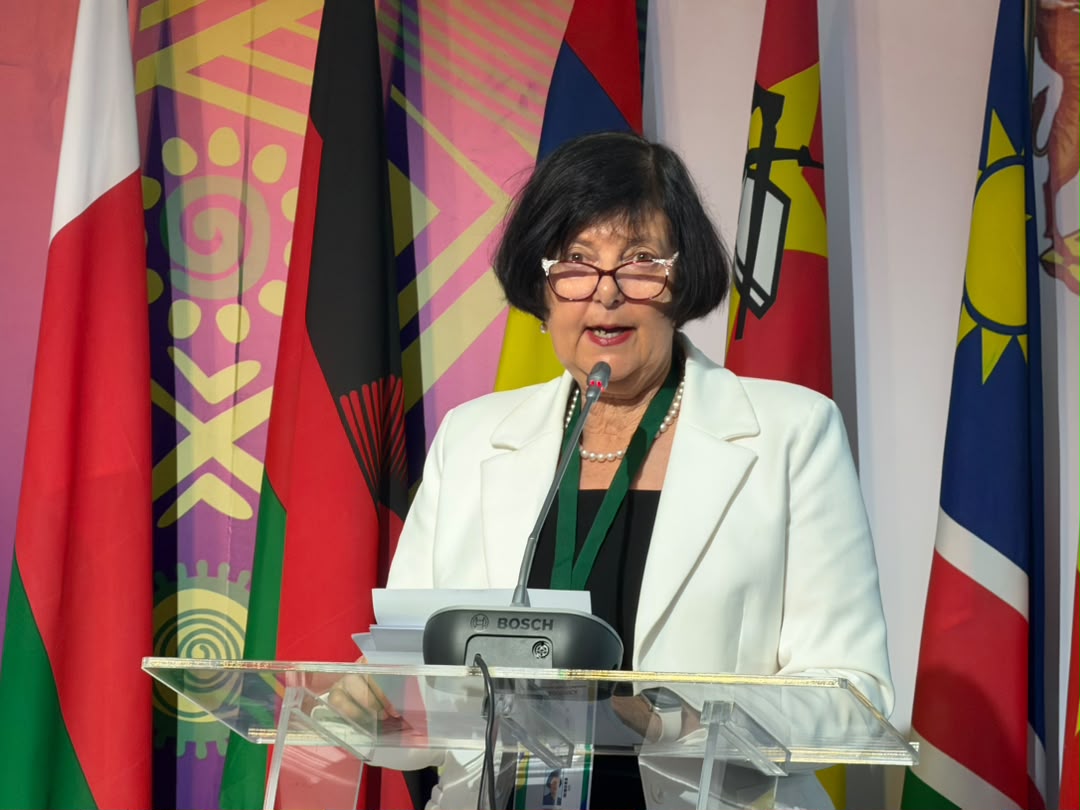
SOUTHERN African Development Community (SADC) member states have been urged to accelerate the implementation of the Single African Air Transport Market (SAATM) while embracing artificial intelligence (AI)-enabled climate-resilient infrastructure as part of a broader strategy to drive regional integration and sustainable development.
Speaking during a High-Level Ministerial Roundtable Dialogue held on the sidelines of the SADC Cluster Meeting of Ministers at the Zimbabwe International Exhibition Centre in Bulawayo on Thursday, South Africa’s Minister of Transport, Ms Barbara Creecy, said the region must move beyond commitments and focus on practical implementation of policies that unlock economic growth and seamless connectivity.
The dialogue was held under the theme: “Liberalised Skies and AI-enabled Climate-resilient Infrastructure to Accelerate Regional Integration and Sustainable Development.”
Ms Creecy commended the SADC Secretariat for convening the meeting and for adopting a forward-looking theme that reflects the evolving realities of the transport sector.
She said modern transport systems are undergoing a fundamental transformation driven by digital technologies, data analytics and artificial intelligence, with infrastructure increasingly defined not only by physical assets such as roads, railways and ports, but also by the digital systems that support efficiency, safety and resilience.
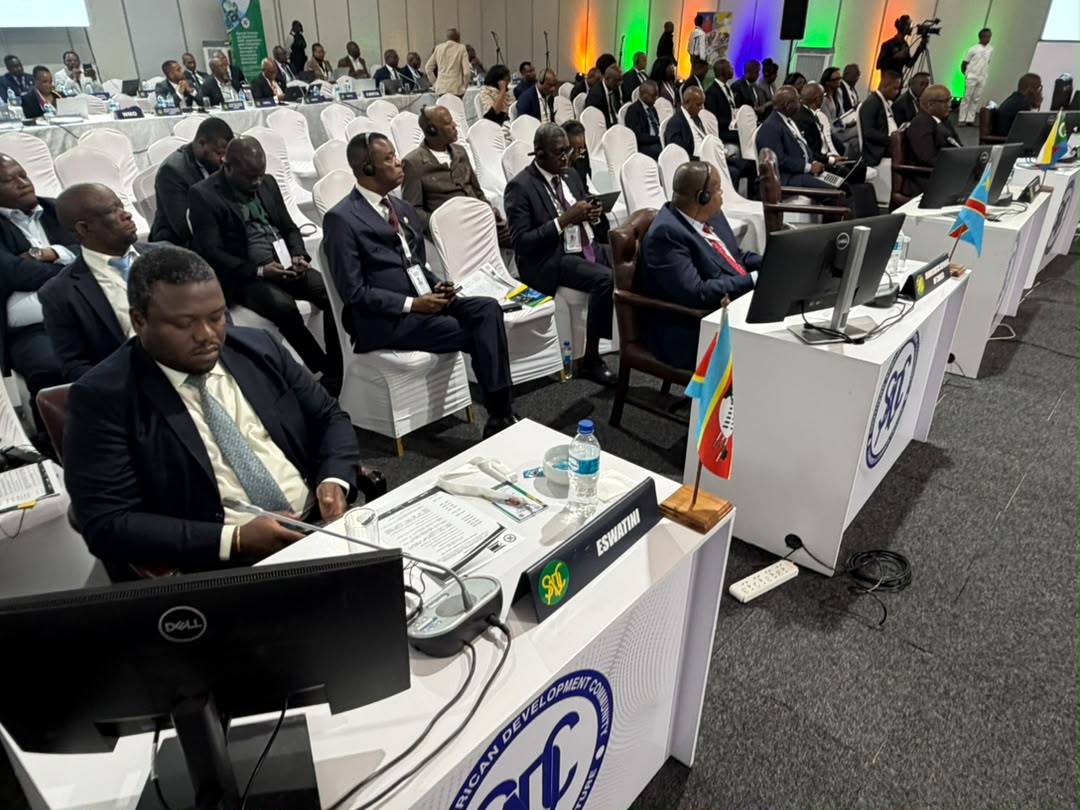
“Across the world, governments are increasingly shifting from traditional infrastructure planning models to digitally enabled, data-driven systems that allow real-time monitoring, predictive decision-making and improved service delivery,” said Minister Creecy.
The minister noted that transport systems across the SADC region continue to face challenges including ageing infrastructure, congestion, fragmented logistics systems and inefficiencies in cross-border mobility.
She said limited digital integration along regional transport corridors continues to contribute to delays, high transaction costs and reduced competitiveness.
However, Ms Creecy said advances in artificial intelligence and digital public infrastructure present a significant opportunity to modernise transport systems, improve efficiency and support regional integration.
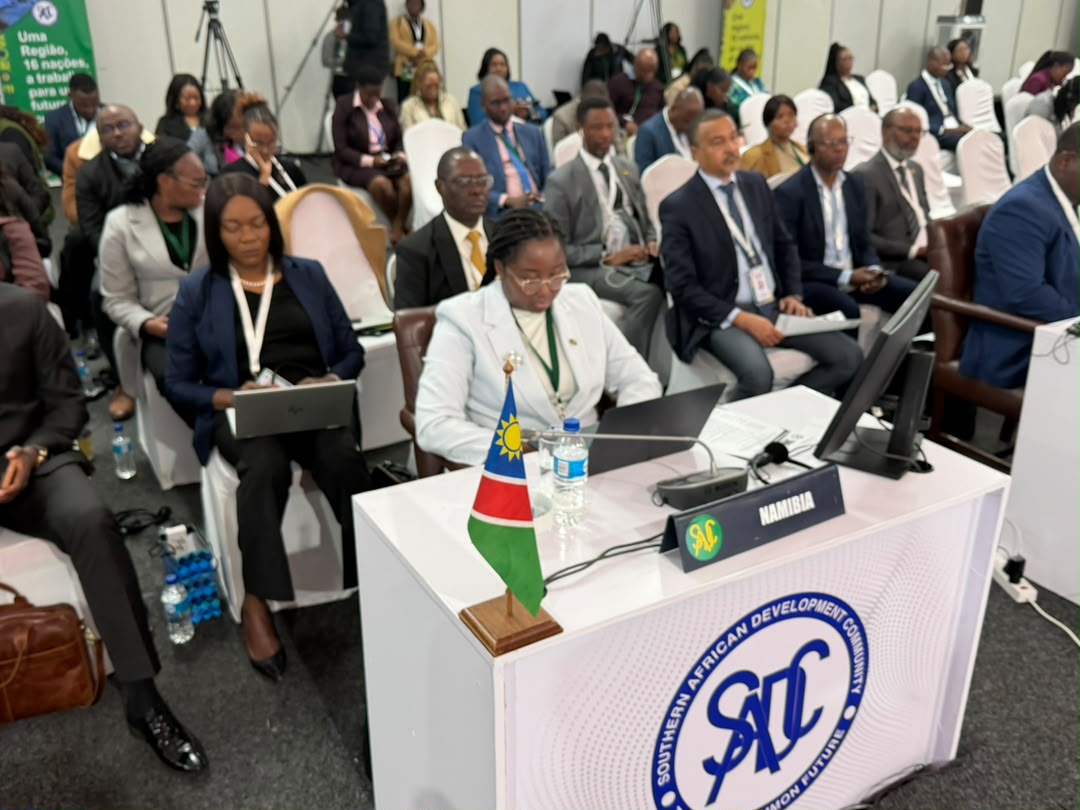
Aviation, she said, remains a critical enabler of trade, tourism, investment and socio-economic development, particularly at a time when demand for passenger and cargo services continues to grow.
Despite growing continental momentum through initiatives such as the Single African Air Transport Market and the African Continental Free Trade Area, the aviation sector still faces challenges linked to high transport costs, regulatory barriers and limited connectivity.
“Addressing issues such as taxes, fees and charges, as well as regulatory and market barriers, is essential if we are to unlock the full potential of liberalised skies and ensure that air travel becomes more affordable, accessible and competitive,” she said.
While acknowledging that African countries have demonstrated strong commitment towards aviation liberalisation, Ms Creecy cautioned that liberalisation alone would not automatically create connectivity.
She said aviation responds to economic demand and that sustainable growth in the sector depends on broader economic development.
“As Africa, we should pursue SAATM not as a standalone initiative but as part of a broader economic integration and development strategy,” she said.
The minister highlighted the growing threat posed by climate change, warning that increasingly frequent extreme weather events are affecting airport infrastructure, flight operations and overall system reliability.
“Strengthening climate-resilient aviation infrastructure, supported by robust meteorological services and early warning systems, has become essential for ensuring safety, efficiency and sustainability.
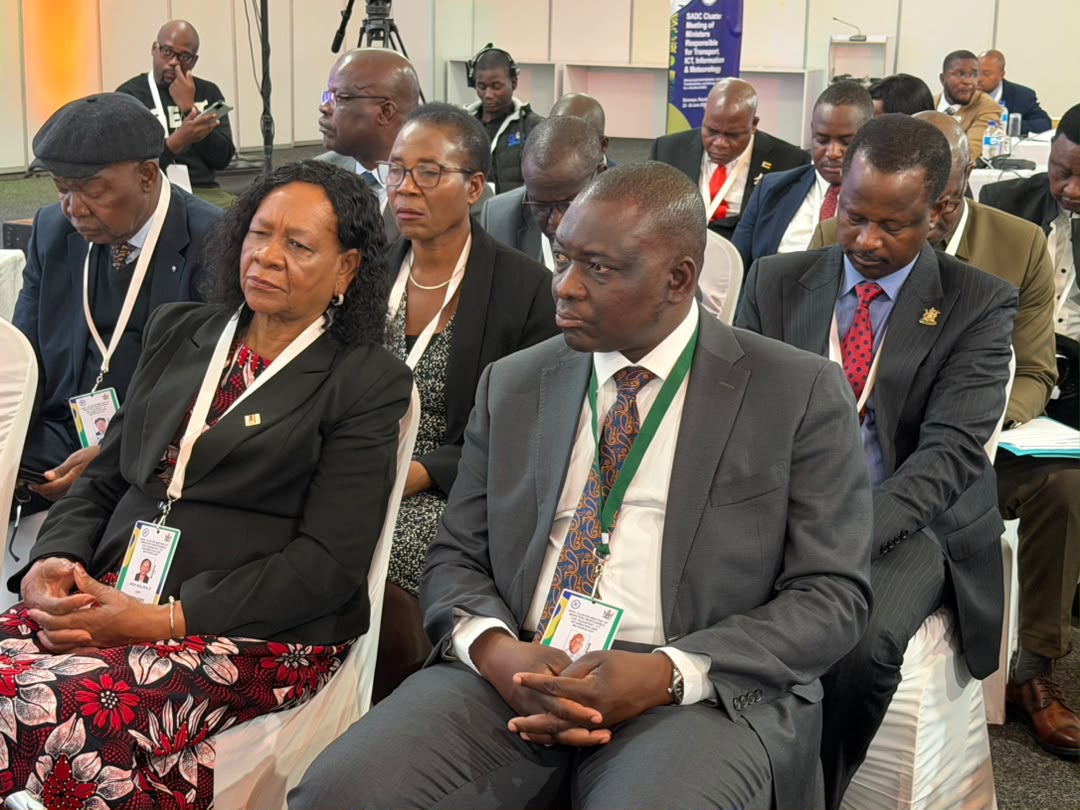
“Emerging technologies such as artificial intelligence can significantly enhance weather forecasting, climate analytics and operational decision-making, thereby improving the resilience of aviation systems,” said Minister Creecy.
She called for stronger partnerships between governments, the private sector, development finance institutions and international partners to mobilise resources required for sustainable infrastructure development.
She stressed the importance of improving passenger facilitation through digital systems such as Advance Passenger Information systems and harmonised regulatory frameworks to support tourism, trade and regional integration.
The minister urged SADC member states to harmonise regulatory frameworks, strengthen cooperation and accelerate implementation of infrastructure projects that promote universal access to modern, sustainable and climate-resilient services.
She said such efforts are critical in advancing the aspirations of the African Union’s Agenda 2063 for continental integration, prosperity and peace.
“The decisions we take today will shape the future of aviation in our region. There is a need to pursue SAATM not as a standalone aviation initiative, but as part of a broader economic integration and development strategy,” she said.
Zimbabwe backs open skies policy to unlock trade and tourism
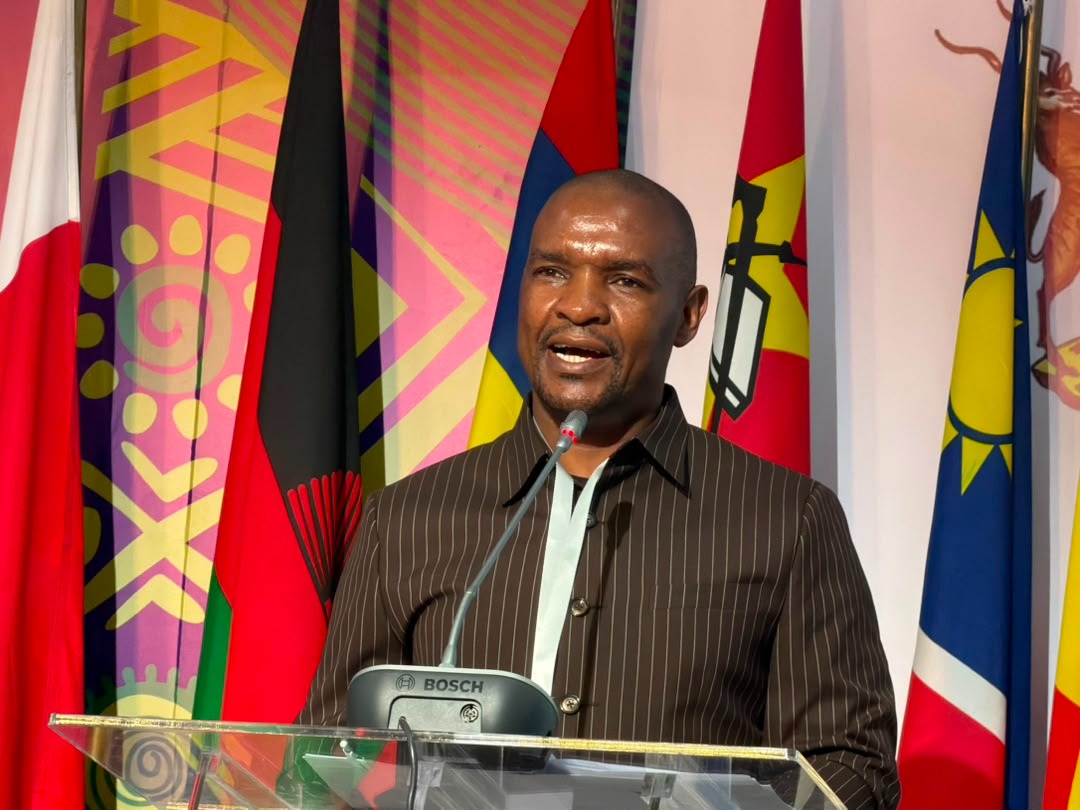
SOUTHERN African Development Community (SADC) member states are intensifying efforts to improve regional connectivity through the implementation of the Single African Air Transport Market (SAATM) and the liberalisation of air transport services, Transport and Infrastructural Development Minister Felix Mhona has said.
Speaking on the sidelines of the SADC Cluster Meeting of Ministers in Bulawayo, Minister Mhona said inadequate connectivity remains one of the major obstacles to regional integration, trade and economic development across Africa.
He said the Yamoussoukro Decision, adopted in Côte d’Ivoire in 1999 and implemented in 2002, was designed to create an open skies policy across the continent, allowing airlines to operate more freely between African countries.
“We are trying to come up with solutions to address the connectivity challenges that we are facing, especially within the region and across the continent. Regional connectivity is central to the discussions that we are having as ministers,” said Minister Mhona.
He noted that although 38 African countries have acceded to the treaty, implementation remains slow in some jurisdictions, limiting the full benefits of a liberalised air transport market.
“The idea is to open our skies and create a single African aviation market where airlines can operate based on agreed freedoms of the air. This will enable airlines to pick up and drop off passengers across different jurisdictions, making travel easier and more affordable,” he said.
Minister Mhona said poor connectivity often forces travellers to take longer and more expensive routes to reach destinations within Africa.
“In some instances, one has to leave Africa or transit through distant regions before returning to another African country. This affects trade, tourism and economic growth. We are therefore looking at how best to address these concerns as a region,” he said.
He said technical experts had already considered a number of proposals and recommendations that are now before ministers for deliberation and possible adoption.
Minister Mhona said Zimbabwe remains committed to promoting policies that facilitate business, trade and investment while enhancing regional integration, highlighting the country’s significant investments in aviation infrastructure, including the upgrading of Robert Gabriel Mugabe International Airport, Victoria Falls International Airport and Joshua Mqabuko Nkomo International Airport in Bulawayo.
“We have developed our airport infrastructure and our Civil Aviation Authority has confirmed that Zimbabwe remains in a sound position regarding aviation safety standards,” he said.
Beyond aviation, Minister Mhona said Government is investing heavily in transport corridors that are critical to regional trade and movement.
These include the rehabilitation of rail infrastructure, the upgrading of the North-South Corridor and preparations for works on the Harare-Chirundu Highway.
He also cited ongoing efforts to strengthen links through the Walvis Bay Corridor in Namibia and the Beira Corridor in Mozambique, as well as plans to address missing rail links within the region.
“Recently, we signed a Memorandum of Understanding aimed at ensuring that strategic rail connections are completed to improve regional integration and connectivity,” he said.
Minister Mhona said high transport costs, restrictive routing arrangements and visa requirements remain among the barriers that continue to hinder seamless movement across the continent.
He said addressing such challenges would require collective action by African governments and regional bodies.
“Regional connectivity cannot be overemphasised. It is time for us not only to talk about connectivity but also to identify and remove the bottlenecks that continue to impede integration, trade and development across our region and continent,” said Minister Mhona.
He added that Zimbabwe’s infrastructure development drive is increasingly focused on climate-resilient projects, in line with regional efforts to promote sustainable development and economic transformation.
SADC must control its own data and information infrastructure: Minister Soda
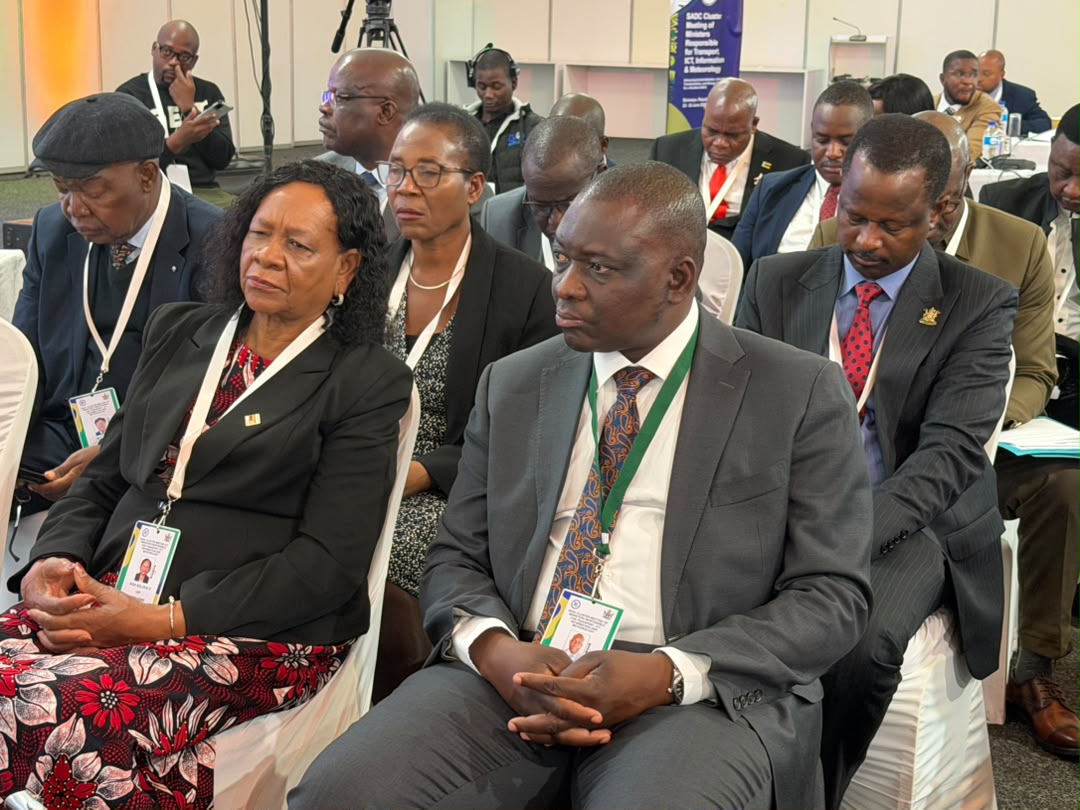
SADC member states should work together to develop regional information and communication infrastructure that guarantees digital sovereignty, enhances disaster preparedness and harnesses the transformative potential of artificial intelligence (AI).
Information, Publicity and Broadcasting Services Minister Zhemu Soda said this while speaking to the media on the sidelines of the SADC Cluster Meeting of Ministers at the Zimbabwe International Exhibition Centre in Bulawayo on Thursday.
Minister Soda said ministers responsible for transport, information and communication technologies, and meteorological services were meeting to strengthen regional cooperation in key sectors that drive development and trade.
“Our officials have been meeting here in Bulawayo since Monday and ministers have now joined them to deliberate on various issues affecting the region. The main thrust is to coordinate our efforts on facilitating trade and exploring the role of artificial intelligence in supporting regional development,” he said.
Minister Soda said the information sector had a critical responsibility to ensure citizens receive accurate and timely information, particularly during emergencies and natural disasters.
“Our citizens deserve to be informed on time, especially on issues relating to disasters, disaster preparedness and the measures they should take when such situations arise. Artificial intelligence is becoming an important tool because information can be analysed quickly and decisions made promptly,” he said.
He said one of the major issues under discussion was the need for SADC countries to establish and control their own information dissemination infrastructure.
“There is a need for us to work together so that we have our own infrastructure that guarantees sovereignty over our information and data. Most of the satellite infrastructure currently being used by countries in the region is not under our control.
Through collaboration and coordinated efforts, we believe we can liberate ourselves by developing our own equipment and infrastructure that supports our developmental objectives,” said Minister Soda.
He said member states were prepared to consider recommendations from technical experts on the resources and mechanisms required to establish regional information infrastructure, adding that cooperation and solidarity remained central to the SADC vision.
“We are ready to cooperate, work together and reduce dependence on infrastructure developed outside the continent. Such an undertaking requires collaboration and mutual understanding, which have always been the cornerstone of the Southern African Development Community,” he said.
The minister also stressed the importance of empowering young people and women to participate meaningfully in the region’s digital transformation.
“Governments are taking deliberate measures to ensure that women and young people acquire the skills required in the digital economy. They are the future and must be equipped to take advantage of emerging technologies,” he said.
He said Zimbabwe had already taken significant steps towards embracing artificial intelligence through the launch of a national AI strategy.
“You may be aware that Government recently launched an Artificial Intelligence Strategy. We intend to embrace AI while ensuring that appropriate safeguards, policies and regulations are put in place because it is a disruptive technology that must be managed responsibly,” said Minister Soda.
While acknowledging concerns about the impact of AI on employment, Minister Soda said technological advancement was inevitable and should be embraced in a manner that balances innovation with the preservation of human capital.
“We understand that some jobs may be affected by technological advancements, but we cannot stand in the way of progress. What is important is to ensure that there is a balance between the use of technology and the continued development of human capital,” he said.
Minister Soda said the increasing need for rapid decision-making and the analysis of large volumes of data made AI an indispensable tool for governments and institutions.
“The future demands that we embrace artificial intelligence and other emerging technologies. The challenge is to ensure that technology complements human effort rather than completely replacing it,” he said.
He added that Zimbabwe remained committed to leveraging innovation and technology to accelerate national development while contributing to regional integration and economic transformation.
SADC cluster meeting of ministers concludes today in Bulawayo
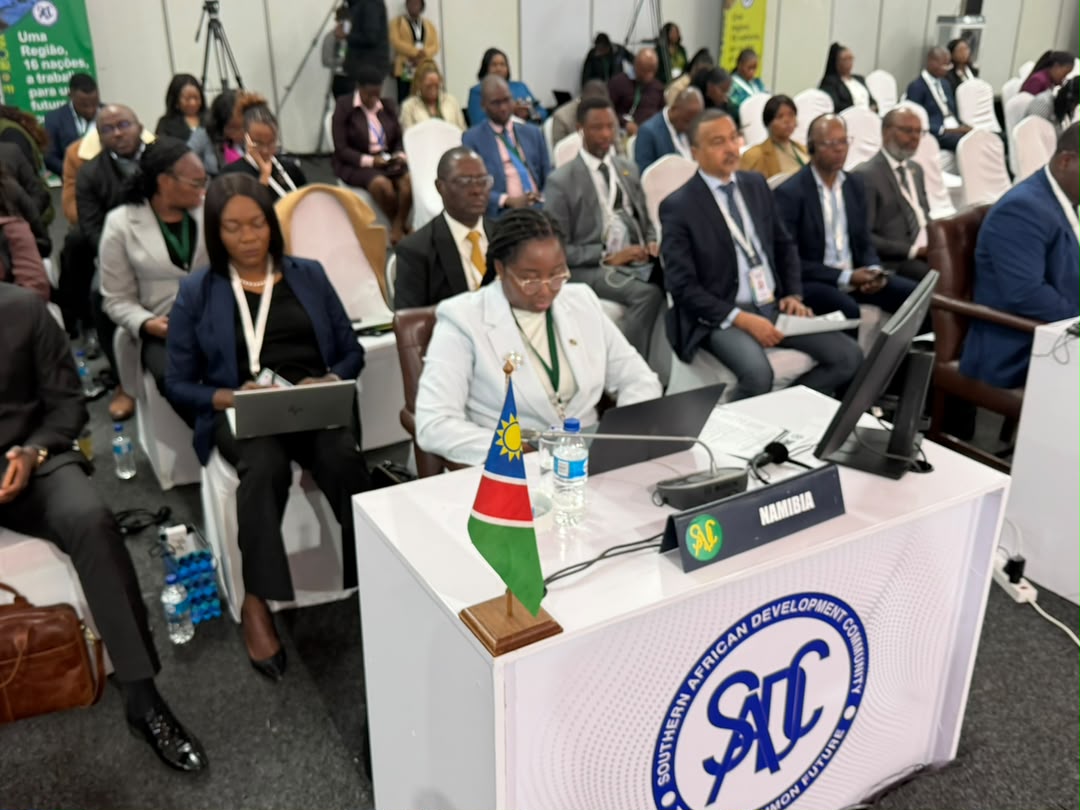
THE 2026 edition of the Southern African Development Community (SADC) Cluster Meeting of Ministers concludes today at the Zimbabwe International Exhibition Centre in Bulawayo, with ministers expected to hold two final sessions to wrap up deliberations and adopt key resolutions.
The Cluster Meeting of Ministers Responsible for Transport, Information and Communication Technologies (ICT), Information and Meteorology has, over the past five days, focused on strategies to deepen regional integration through improved transport connectivity, digital transformation, resilient infrastructure and enhanced meteorological services.
The ministerial meeting was preceded by a High-Level Ministerial Roundtable Dialogue on Liberalised Skies and AI-Enabled Climate-Resilient Infrastructure to Accelerate Regional Integration and Sustainable Development in SADC, which brought together ministers, policymakers, development partners and industry experts to discuss the role of artificial intelligence and modern infrastructure in driving economic growth across the region.
Earlier in the week, senior officials from the member states also met during the Joint Meeting of SADC Senior Officials Responsible for Transport, ICT, Information and Meteorology to review technical reports and prepare recommendations for consideration by ministers.
The meeting is expected to conclude with the adoption of resolutions and recommendations aimed at accelerating implementation of regional programmes and projects in the transport, ICT, information and meteorology sectors, in line with SADC’s regional integration and sustainable development agenda.
SADC urged to accelerate implementation of regional integration decisions
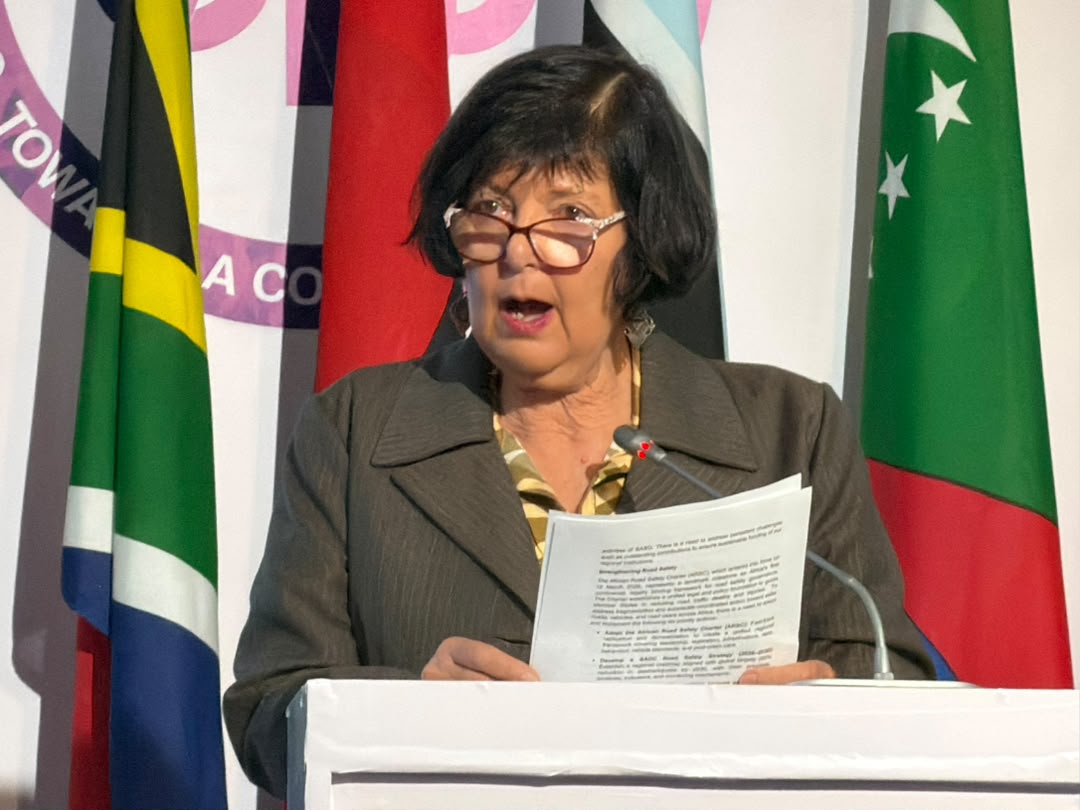
SOUTHERN African Development Community (SADC) member states have been urged to maintain the momentum generated during the Cluster Meeting of Ministers Responsible for Transport, Information and Communication Technologies (ICT), Information and Meteorology by accelerating the implementation of outstanding regional decisions and programmes aimed at deepening integration.
Speaking during her remarks at the opening of of the ministerial meeting in Bulawayo on Friday, South Africa’s Minister of Transport and chairperson of the SADC Cluster Meeting of Ministers, Barbara Creecy, said the region had made significant progress but now needed to focus on implementation.
“We must sustain the momentum and ensure full implementation of all outstanding decisions,” she said.
Minister Creecy also underscored the importance of the SADC Trade and Transport Facilitation project, supported by the African Development Bank, describing it as a key driver of regional integration through investments in customs modernisation, transit management systems, cross-border cooperation and railway planning.
She said the project continues to strengthen the efficiency of the North-South Corridor and other strategic transport routes that are critical to regional trade and economic development.
“Progress being made through initiatives such as the Corridor Trip Monitoring System, the development of the Regional Railway Master Plan and ongoing port infrastructure upgrades and operational reforms designed to improve efficiency and facilitate the movement of goods across Southern Africa, are acknowledged,” said Minister Creecy.
She said discussions during Thursday’s session had underscored the important role of ministers, senior government officials and governance institutions in providing the political leadership required to address poverty, inequality and other development challenges facing the region.
The minister said delegates had also emphasised the importance of strengthening partnerships that promote inclusive development and ensure that no citizen is left behind.
She noted that regional integration of network industries remains fundamental to unlocking the full economic potential of the African Continental Free Trade Area (AfCFTA).
“Without integrated, AI-empowered digital public infrastructure, we cannot realise shared prosperity, as many will still be left behind. Without better integration of transport modes in common regional logistics corridors, we will not effectively move people and goods,” she said.
Minister Creecy said these ambitions cannot be achieved by individual countries working in isolation but require stronger regional cooperation in transport, logistics and digital infrastructure.
She said ministers were expected to adopt important decisions covering aviation governance, road safety, environmental transition and digital development, all of which are intended to strengthen regional integration and improve connectivity.
Calling on member states to remain committed to the founding principles of SADC, Minister Creecy said the region should continue promoting collective self-reliance, political harmony, peace and security, democratic values, the rule of law and sustainable utilisation of natural resources.
“Greater economic integration, including the free movement of goods, services and people, remains essential to eradicating poverty, improving livelihoods and achieving sustainable development across Southern Africa,” said Minister Creecy.
WATCH: SADC solidarity on sanctions strengthens Zimbabwe, says Minister Soda
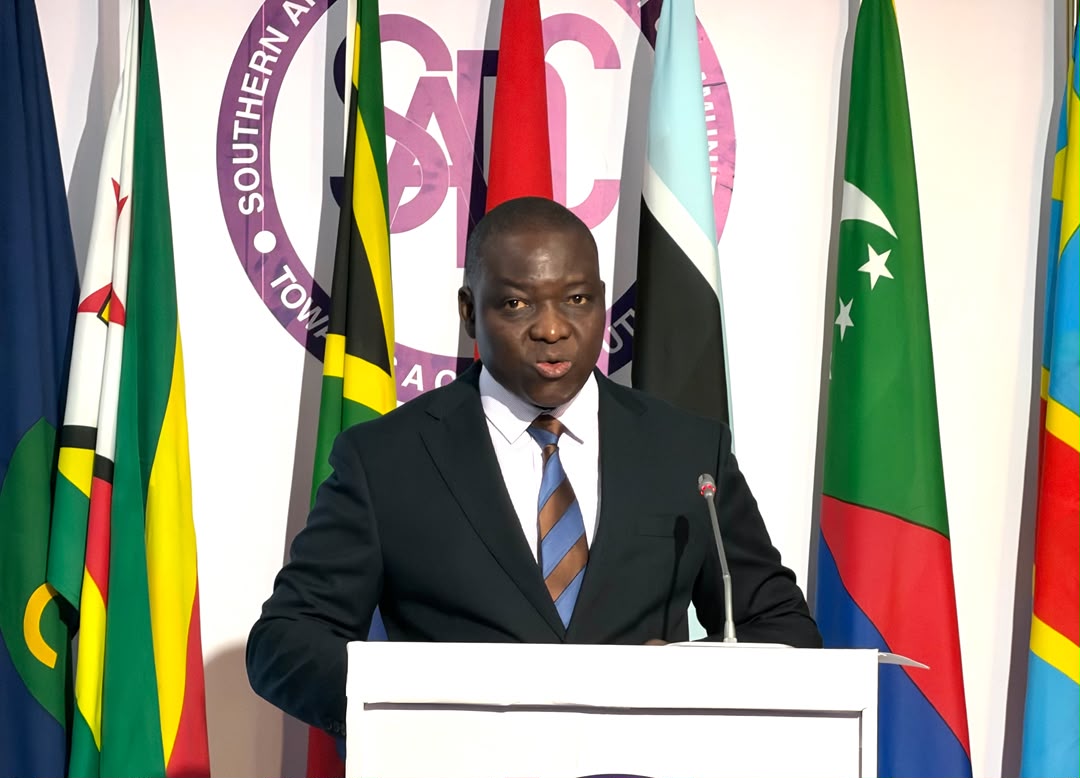
GOVERNMENT has commended fellow Southern African Development Community (SADC) member states for their unwavering solidarity with Zimbabwe in its campaign against illegal sanctions imposed by the United States and the European Union, describing the regional support as a source of strength for the country.
Speaking during the opening of the SADC Cluster Meeting of Ministers Responsible for Transport, Information and Communication Technologies (ICT), Information and Meteorology at the Zimbabwe International Exhibition Centre in Bulawayo on Friday, the Minister of Information, Publicity and Broadcasting Services, Zhemu Soda, said the spirit of unity and mutual support that characterises SADC should continue to guide member states whenever any country in the region faces external pressure.
“Allow me at this point to express our deep appreciation for the solidarity and support that the SADC community has extended to Zimbabwe in our fight against illegal sanctions. Your unwavering stance has been a source of our strength. We equally hope that the region will stand united with any sister nation that may become threatened by global powers with sanctions. It is this spirit of collective defence and mutual support that defines our community,” said Minister Soda.
The minister conveyed warm greetings and best wishes from President Mnangagwa, who is today presiding over the burial of national hero Ambassador Victor Matemadanda, Zimbabwe’s former ambassador to Mozambique and the Kingdom of Eswatini.
Minister Soda said Ambassador Matemadanda’s distinguished diplomatic service symbolised the enduring bonds of friendship and cooperation that continue to unite SADC member states.
Minister Soda said the meeting marks the culmination of deliberations that began with senior officials earlier in the week before ministers convened to consider recommendations aimed at accelerating regional integration.
He said the sectors represented at the cluster meeting remain mutually reinforcing pillars that underpin trade, investment, connectivity, resilience and sustainable development across Southern Africa.
“As we meet against a backdrop of rapid technological change, evolving economic realities and increasing climate-related challenges, there is a growing need for coordinated action and innovative solutions that respond to the aspirations of our people and strengthen the competitiveness of our region,” he said.
Minister Soda said transport is the cornerstone of SADC’s regional integration agenda, saying efficient, safe and climate-resilient transport systems are essential for facilitating trade, lowering the cost of doing business and improving the movement of people and goods across borders.
He highlighted Zimbabwe’s continued investment in strategic transport infrastructure, including the upgrading of the Beitbridge-Harare Road Corridor and the modernisation of the Beitbridge, Chirundu and Forbes border posts.
In the aviation sector, he said investments at Robert Gabriel Mugabe International Airport and Joshua Mqabuko Nkomo International Airport have significantly enhanced capacity and strengthened regional connectivity.
Turning to ICT, Minister Soda said digital technologies have become a major driver of economic transformation and social inclusion.
“Zimbabwe continues to expand broadband infrastructure, digital connectivity and e-government services while supporting the implementation of the SADC Digital Transformation Strategy and other regional initiatives designed to improve interoperability and harness opportunities presented by the Fourth Industrial Revolution,” said Minister Soda.
On the information sector, Minister Soda said there is increasing recognition among member states of the need for SADC to communicate with one unified voice amid the proliferation of misinformation and competing global narratives.
He said member states are exploring the establishment of regional broadcasting platforms, including a SADC television channel, a regional radio network and collaborative digital news services that would amplify the region’s collective voice and showcase its achievements.
Such platforms, said Minister Soda, would strengthen the sense of regional identity among citizens while enabling SADC to effectively project its positions on continental and global issues, including trade, investment and climate change.
He called for continued collaboration among public broadcasters through content sharing, policy harmonisation and capacity-building programmes to ensure that SADC’s voice resonates consistently across the region and internationally.
Minister Soda also underscored the critical role of meteorological services in protecting lives, livelihoods and economies as climate change continues to intensify.
He said Zimbabwe has continued investing in modern weather observation systems, forecasting technologies and early warning mechanisms, while calling for stronger regional cooperation in climate data sharing to improve disaster preparedness and resilience.
Minister Soda urged member states to use the meeting to agree on practical measures that will accelerate implementation of regional commitments and programmes, while remaining guided by the principles of solidarity, mutual benefit and shared prosperity