Online Reporter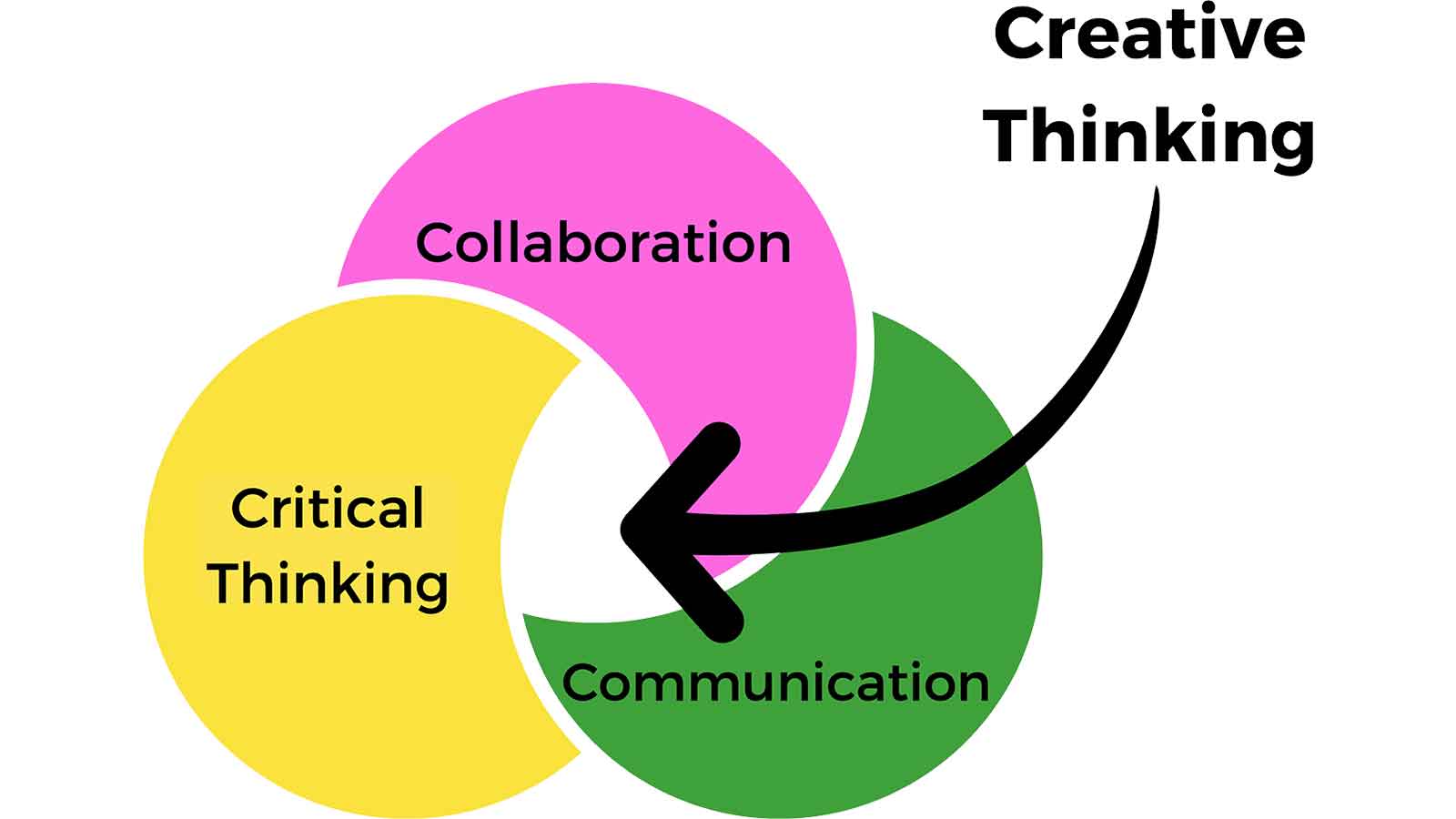
Latwell Nyangu-Youth Interactive Writer
The workplaces are no longer exclusively interested in degrees, but they want individuals who can demonstrate their capabilities through portfolios, projects, and practical experience.
This attribute is especially appealing in a globalised economy where adaptability and continuous learning are critical.
The evolving world, the landscape of work and education, is shifting dramatically.
Traditionally, academic success was measured through standardised exams and rote memorisation, creating a system that prioritises theoretical knowledge over practical application.
However, the demands of modern industries are now increasingly favouring skills-based education, an approach that equips students not just with knowledge, but also with the tangible skills needed to thrive in the workforce.
This week, I am imploring students to shift focus from exam-focused learning to a skills-based educational framework.
Recently, I brought up a similar issue here where I dwell much on the fact that students shouldn’t only aspire to write assignments and return home or to their rooms.
But they should innovate and be creative.
There is a need to adapt to an economy that values practical expertise and innovation.
Exam-focused learning often provides a culture of memorisation rather than understanding.
Students are conditioned to prioritise grades over genuine comprehension, often treating education as a means to an end, a stepping stone to college or university acceptance.
This results in a narrow view of education, where success is equated with excelling in tests rather than developing critical thinking and problem-solving abilities.
Furthermore, the exam-centric model does not account for the diverse learning styles and talents of individual students.
Not all students perform well under the pressure of timed tests, and this one-size-fits-all approach usually leads to disengagement and a negative attitude towards learning.
As a consequence, the education system fails to cultivate the full potential of students, leaving them ill-prepared for the complexities of real-world challenges.
In contrast, skills-based education emphasises the development of practical competencies that align with industry needs.
This educational approach fosters critical thinking, creativity, collaboration, and adaptability skills that are essential in today’s job market.
In today’s world, employers increasingly value candidates who can not only demonstrate knowledge but also apply it effectively in workplace scenarios.
A good example is that in different fields, some of which include technology and engineering, hands-on experience with tools and practices is often more valuable than theoretical knowledge alone.
Cultural exchange, coding bootcamps, vocational training, and project-based learning experiences have gained popularity, as they teach students how to solve problems, work in teams, and apply their knowledge in real-world environments.
I have been in the industry for some time and to be honest, the modern job market is evolving at an unprecedented pace, with industries increasingly looking for candidates who possess a versatile skill set rather than merely high grades.
Different fields are in search of workers who can think critically and adapt to new modern skills and methodologies.
In the realm of technology, for instance, the rise of artificial intelligence, machine learning, and data science requires professionals who are not only technically proficient but also capable of innovating and problem-solving on the fly.
For students, I urge you to better prepare for future opportunities.
Students need to recalibrate their focus toward skill acquisition.
This transition involves embracing curiosity, seeking out practical learning experiences, and taking initiative in their education.
Students should view internships, apprenticeships, and real-world projects as valuable opportunities to gain hands-on experience and develop their skills.
Moreover, educational institutions play a crucial role in facilitating this shift.
Universities and colleges also need to integrate skills-based curricula, promote interdisciplinary learning, and foster partnerships with industries to keep pace with evolving job requirements.
We should continue to applaud Government for embracing Education 5:0 which pushes all students to be practical.
While mentorship programmes and networking opportunities can also provide students with insights into various career paths, the skills are really needed to succeed in them.
As the world becomes more interconnected and technologically advanced, the need for a skilled workforce has never been greater.
The shift from exam-focused learning to skills-based education is not just beneficial, it is essential for students aiming to succeed in a competitive job market.
By prioritising practical skills, critical thinking, and real-world experience, future generations can equip themselves for a landscape that values innovation, adaptability, and collaboration.
To my fellow students, the call to action is clear, but embrace the journey of learning beyond the classroom, and prepare for a future that is brighter and more promising through the acquisition of skills that matter.
Until we meet for a toast,
Feedback:nyangu.latwell27 @gmail.com