Online Reporter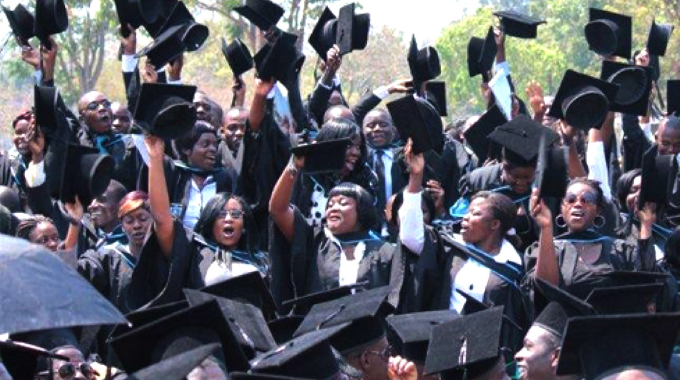
Latwell Nyangu
Youth Interactive Writer
The true test of education lies in how we apply it beyond the classroom.
From this platform, I assert that students should not merely be passive recipients of knowledge, but they should emerge as builders of tomorrow.
It’s time students stop waiting to “finish university” to make a difference.
The world doesn’t pause for graduation.
Instead, students should view themselves as active contributors, not just passive beneficiaries. Whether studying engineering, education, agriculture, or the arts, every field holds potential to drive progress.
A student engineer can design innovative, low-cost solutions, such as improved roadways on campus.
A journalism student can spotlight untold community stories, while a lecturer-in-training can inspire positive change in local learning institutions.
Campus reflections extend far beyond college walls, and the message permeates our homes and communities.
This platform transcends individual character.
From the onset, I have focused on various areas which include character building, student life, academic challenges, professional relationships, financial pressures, mental health, and more. The conversations here reflect the realities many young people face.
At the end of the day, we must ask ourselves, what contributions have we made as students? This week, I am delving into why it’s crucial for students to actively engage in developing their communities and, by extension, their nation too.
My own background has a taste of passion for development and peacebuilding.
My dream is to become an expert in this field.
As I sit at my desk in class, I dream of making a lasting impact that blends through current and future generations.
A few years ago, I wrote here about the importance of leaving an impact and legacy.
We now inhabit a world where being a mere student is insufficient.
Assignment-based learning alone leaves little room for meaningful solutions.
In many countries, students are sought after for their fresh perspectives and innovative solutions to pressing challenges.
By choosing diverse disciplines, students possess the power to reshape the world.
It’s disheartening to realise that some students lack clarity about the purpose behind their studies.
I have discussed career guidance here, emphasising the importance of understanding why students pursue their degrees.
Every student dream of success, good grades, graduation caps soaring in the air, and a bright future.
But a more profound question often goes unaddressed, “What are we doing to contribute to the development of our communities, institutions, and nation?”
Some students or authorities don’t know that the energy, creativity, and passion found in young people can ignite transformation if directed towards meaningful action.
Development is not only about big government projects or large corporate investments, it begins with ideas, involvement, and initiative.
If we take a look around any campus, there are problems waiting to be solved.
Most of campuses at colleges and universities have poor sanitation, lack of innovation, outdated methods of communication, and the need for stronger student representation.
To be frank with you, these are opportunities for students to step up , through clubs, volunteer projects, research, and advocacy.
Contributing to development starts with participation.
Recently I talked about the Education 5.0 which has become part of the curriculum where students are urged to link their studies with practicality.
What tangible life aspects can your study bring at the end of the day?
What contribution can you bring to the nation or communities through your studies?
When students take part in university projects, community clean-ups, awareness campaigns, or mentorship programmes, they don’t just gain experience but they create impact.
Nelson Mandela once said, “Education is the most powerful weapon which you can use to change the world.”
But that weapon must be used, not stored away in degrees and diplomas.
Development begins with awareness, grows through responsibility, and flourishes through action.
Students have a vital role in shaping the future of their communities and the world.
By actively contributing to development, students can harness their education to create meaningful change.
In today’s rapidly changing world, it’s essential for students to step beyond the role of passive recipients of education and embrace their potential as active contributors to development.
Education is not merely about acquiring knowledge but it is a powerful tool that can drive meaningful change in communities and society at large.
Students should see themselves as agents of change.
By engaging in projects that address real-world issues, students can make significant contributions.
The time to act is now, every student has the power to make a difference.
Let’s encourage a culture of involvement and innovation, where education becomes a catalyst for progress.
So, as you walk across your campus today, ask yourself, ‘am I just studying to pass, or am I learning to build?
Because the truth is, every student has a role in shaping a better tomorrow.
Development starts with us.
Until we meet for a toast
Feedback: [email protected]