Online Reporter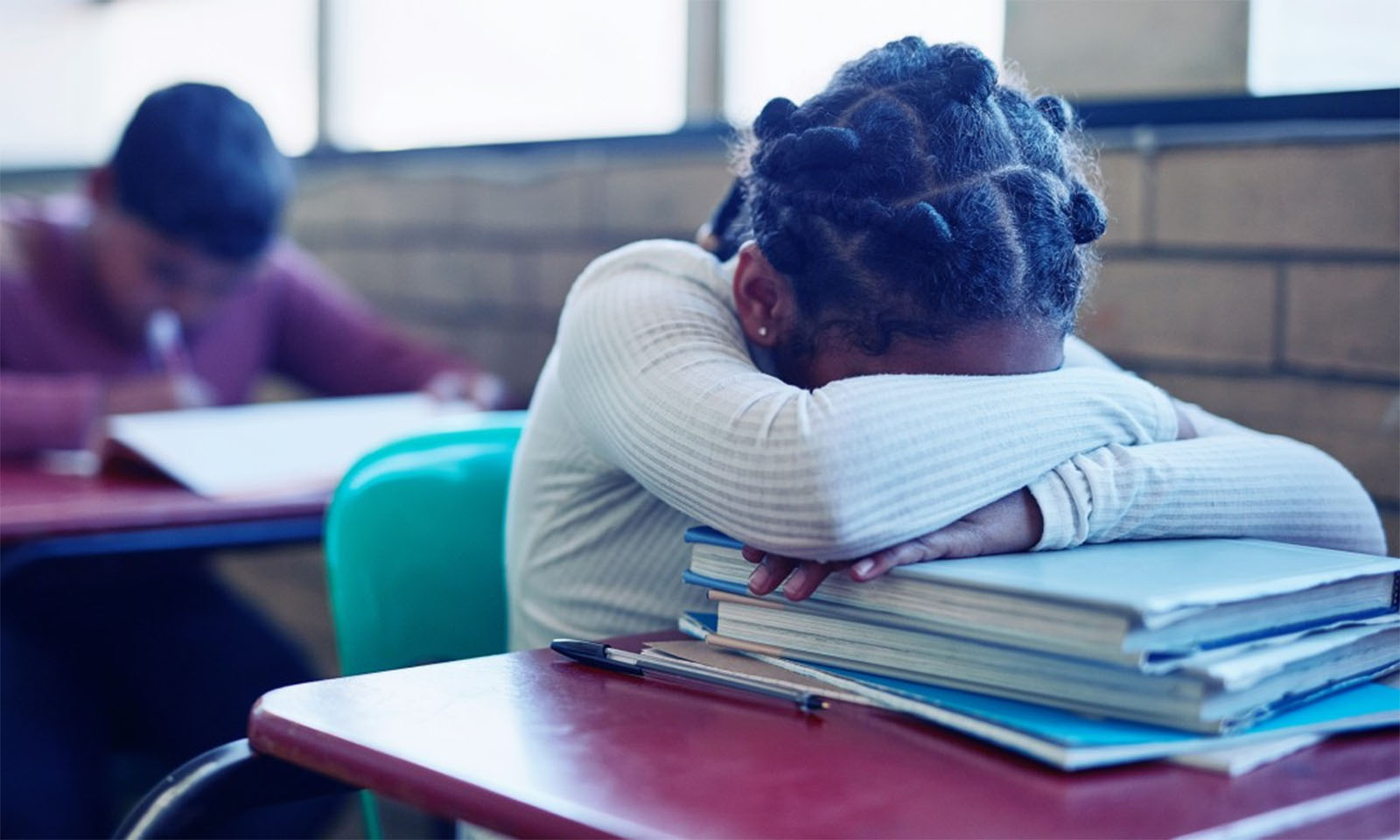
Latwell Nyangu
Youth Interactive Writer
Most of us are first-generation college students, striving to change our family’s narrative, while others have lost parents or come from broken homes, carrying emotional burdens.
These diverse backgrounds contribute to a spectrum of challenges and can hinder their academic success.
In my view, counselling will play a significant role in preventing crises. Sadly, many parents and guardians quietly seek counselling for themselves, often leaving their children behind.
By night, they Nicodemously pursue their own paths to mental well-being, seemingly forgetting about their school and college-going children.
To be honest, the unseen struggles of college life often necessitate counselling for many students. Life at university or college is frequently portrayed as a time of excitement, freedom and self-discovery. For many, it represents the culmination of years of hard work, an opportunity to explore new ideas, and a chance to forge lifelong friendships.
However, behind this façade lies a tricky reality that many students wrestle with daily.
The burdens of academic life, social dynamics, and personal struggles create a challenging environment, especially for those coming from difficult backgrounds.
Some students grapple with lack of resources, fees, shelter, food, clothing, transportation, and family support.
Under such circumstances, the need for effective counselling services becomes paramount.
This week, I felt compelled to suggest that most, if not every, student could benefit from moments of counselling.
I have observed countless students walking around with heavy burdens.
Too often, they find it easier to suffer in silence, which is why some tragically choose to take their own lives.
Despite my own battles with personal demons, I vow to persevere and not succumb to despair, regardless of the challenges I face.
I pray that this spirit of perseverance becomes contagious among other students. However, I also empathise deeply with those who contemplate or have committed suicide. Many students come from low-income backgrounds, where financial instability is a constant worry.
Many students may not seek help until they reach a breaking point, at which time the effects of stress and anxiety may already have taken a toll on their academic performance and mental health.
One of the greatest barriers to accessing counselling is stigma.
Many students feel embarrassed or ashamed to seek help, fearing judgment or being labelled as weak.
The weight of these burdens can lead some to turn to unhealthy alternatives, resulting in destructive behaviours.
As the Bible states in Matthew 11:28, “Come to me, all of you who are weary and carry heavy burdens, and I will give you rest.” My question is, where do students find solace when they bear such heavy loads?
Yes, college is arguably one of the best times of our lives, but being overwhelmed can take a serious toll on many students’ well-being.
I sincerely wish for students to have access to counselling at their convenience. I also suggest that authorities provide counselling sessions at institutions. It’s often easy to discern when an assignment has been written by someone burdened. Many students’ results reflect their struggles. I recall sitting next to a fellow student during an exam who visited the restroom more than six times.
I thought to myself, “troubles on top of other troubles.”
Yet, despite all these challenges, college undoubtedly remains one of the most exciting times in a person’s life.
The college experience is truly one of a kind, with cherished memories often including goofing around with friends, strolling across campus, and playing silly pranks on each other.
For some, college life means enjoying every moment and partying hard.
However, behind those smiles lie problems that require counselling.
College life poses numerous challenges.
Students find themselves surrounded by unfamiliar faces, needing to mingle and establish connections.
Every student’s journey to college is unique, shaped by individual circumstances.
While some come from affluent families supported by parents who can afford tuition and living expenses, others face significant obstacles.
The stress of financial strain often leads to anxiety, depression, and a sense of hopelessness, ultimately affecting academic performance and overall well-being.
The transition to college typically comes with heightened expectations.
Students are expected not only to perform academically but also to excel in extracurricular activities, internships, and social engagements.
This pressure can be overwhelming, especially for those who feel they have something to prove. The fear of failure can create a vicious cycle of stress, pushing students to sacrifice their mental health for the pursuit of grades or social standing.
Moreover, the competitive atmosphere in many colleges exacerbates feelings of isolation and inadequacy.
Students may compare themselves to their peers, leading to a distorted self-image and a sense of not belonging.
This can be particularly detrimental for those already dealing with personal struggles, making it essential for institutions to provide adequate support systems.
In light of these challenges, counselling becomes a crucial lifeline for students. Counselling offers a safe space for individuals to express their thoughts and feelings without judgment.
It provides a platform to address personal issues, whether related to family dynamics, financial stress, or mental health concerns.
Effective counselling helps students develop coping strategies, improve their emotional resilience, and build a support network.
Proactive counselling services help identify at-risk students early on, offering the support they need before issues escalate.
It is essential for colleges to foster an environment where seeking help is normalised and encouraged.
Additionally, colleges should strive to create a more inclusive environment by ensuring that counselling services are accessible and culturally sensitive.
As we reflect on the college experience, it becomes clear that students face numerous challenges that can threaten their success and well-being.
The need for counselling is not just a luxury but a necessity.
Counselling services can help reduce stigma and foster a culture of support and understanding.
In doing so, we can ensure that every student has the opportunity to succeed, regardless of their background or circumstances.
Until we meet for a toast.
Feedback:nyangu.latwell27@ gmail.com



 Bongani Ndlovu