daniel chigunwe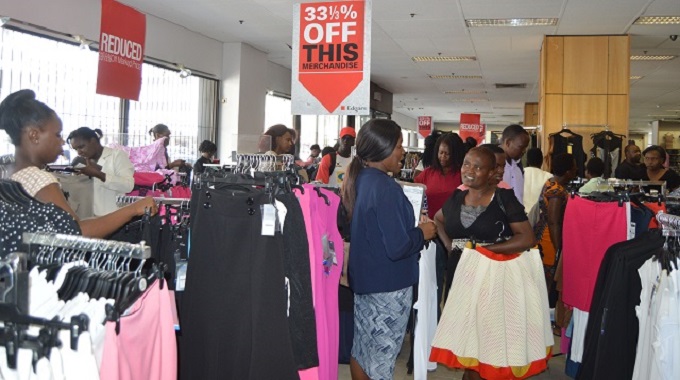
Sylvester Mupanduki
Following the launch of the Economic Structural Adjustment Programme (ESAP) from 1991 to 1995, Zimbabwe’s textile sector became overly exposed to high interest rates and low levels of recapitalisation.
This, coupled with stagnant exports, forced companies like Cone Textiles and Merlin to collapse in 1994 and 1996, respectively.
The subsequent collapse of textile and clothing manufacturing left Zimbabwe isolated and reliant on poor-quality clothing imports, mainly from Europe and Asia.
As a result, the textile and clothing sub-sector’s share of manufacturing output declined from around 25 percent in the late 1980s to about 3 percent in 2018.
Additionally, the manufacturing sector’s contribution to GDP decreased from over 25 percent in the early 1990s to less than 10 percent in 2023.
The pressing question now is whether the new management at Edgars can change the outlook of Zimbabwe’s fashion industry.
Edgars Group aims to revolutionise its business model by adopting the “fast fashion” concept, allowing them to control the entire product lifecycle from design to marketing.
Fast fashion enables the retailer to introduce new products to the market every month, rather than waiting for traditional seasons.
Currently, it takes the company three months to complete the entire process from designing, developing, pattern making, and production to dispatching ready items from the factory.
Fabric sourcing is done twice a year, six months in advance, resulting in four manufacturing cycles per year. This timeline is largely due to many activities being conducted outside the country.
One of their primary sources of high-quality fabric is Anubha Industries Pvt. Ltd in Makhinga, India, a leading denim producer and one of the top five in the country.
With retooled and modernised equipment at Carousel, fully localised production, a fully integrated inventory system, and six-month advance fabric procurement,
Edgars Group can reduce its time to market from three months to just weeks, leading to increased margins.
This model will enable Edgars to quickly spot and capitalise on new fashion trends, manufacture similar items at their Carousel plant, and distribute them to stores within weeks.
Evidence of the company’s potential success is seen in the improvement of its inventory turnover rate, which increased from 3 in 2023 to 5 in 2024. Inventory turnover measures how often a company cycles through its inventory.
While fashion retailers typically achieve 8-12 turns per year, fast fashion brands like Zara boast an impressive 12 turns annually. Over the past decade, both Edgars and Truworths averaged only two to three turns per year. Therefore, this significant increase in turnover rate suggests a remarkable positive shift for the business.
The group’s market segmentation strategy focuses on becoming the largest fashion player in Zimbabwe through its three retail brands: Edgars, Jet, and Express Stores. Each brand targets a different market segment.
Edgars Stores, the largest brand, caters to high-end customers who prioritise fabric quality and design, allowing for higher pricing. This is a market that is fashionably aware, needs to feel prestigious and puts much emphasis on the importance of self-esteem and power.
Jet targets the low to mid-price clothing market, while Express Stores serve the low-end market in high-density areas, offering products made from less expensive fabric at lower prices.
This segmentation will enable the Group to capture a significant market share across various income levels.
Vertical integration of the supply chain across these brands will make the Group responsive to changing fashion trends and customer demands.
At the design level, Carousel will focus on identifying and incorporating market trends into their production rather than creating new trends.
Constant communication between physical stores, online teams, and designers will facilitate this integration. Store managers will gather feedback from customers, enabling the Group to quickly respond to emerging tastes and preferences.
In the manufacturing stage, Edgars Group is investing over US$1 million in retooling its Carousel manufacturing processes.
This investment will automate processes and boost output from an average of 7 000 units per month in 2022 to 100 000 units per month in 2024. In 2023, peak output reached 45 000 units per month.
A computerised inventory system will link stores to manufacturing and dispatching warehouses in Bulawayo, reducing the risk associated with maintaining large inventory stocks.
Edgars aims to enhance the customer experience by recreating a high-end image across all stores.
Flagship stores will be in popular shopping malls, reinforcing the brand’s luxurious image. However, a strong online presence to complement physical stores, with each branch operating both a physical and online store in an integrated manner will be required.
Enabling the business to efficiently adopt a Radio Frequency Identification (RFID) technology that track inventory, allowing customers to check product availability and location online is crucial. Consistent pricing across online and physical stores, coupled with a short production cycle, will create a shopping environment that promotes more sales and fosters long-term customer loyalty.
The Group’s success will rely on its ability to develop a robust virtual commerce platform, making its brands accessible nationwide, even in areas without physical stores.
The company must also stay current with modern fashion trends, enhance its integration system by improving digital capabilities, and meet the expectations of its socially aware youthful customer base.
Currently, the company has 6 600 followers on Twitter and LinkedIn combined, in a country with over 16 million people.
Who is on social media?
The primary users are Millennials (aged 26 to 41) and Gen Z (aged 10 to 25). These groups not only represent a significant portion of Zimbabwe’s population but also constitute most of the country’s 323 000 Twitter users.
They are willing to spend more on items that enhance their statuses on social media. While Millennials spearheaded the digital transformation in the 1990s, Gen Z, which makes up over 25 percent of the population, is now taking the lead. This shift should influence Edgars’ marketing strategies.
Many of these individuals live pay cheque to pay cheque and might doubt their ability to afford quality items from Edgars Stores.
However, the value of fashion isn’t in the price or fabric but in the perception of power, esteem, and pride associated with wearing a particular brand.
A good PR and effective marketing strategy by Edgars Group can instil this sense of pride and esteem in this social media-savvy Millennials and Gen Z living pay cheque to pay cheque.
In future, we hope to see the company reporting the number of visitors to its virtual stores, social media pages and breaking down its financial statements to show online sales as a percentage of total sales. This innovative business strategy will give Edgars Group a competitive edge in fast fashion.
Additionally, through Express Stores, the Group can effectively compete with boutiques importing goods from outside Zimbabwe by offering locally manufactured items at lower prices using less expensive fabric.
I currently estimate the value of Edgars’ stock at US1,90c, which is slightly higher than its market price of US1,80c, leading me to assign it a fair valuation rating.
DISCLAIMER: The information and opinions in this report were prepared solely for informational purposes. Though the information herein is believed to be reliable and has been obtained from public sources believed to be reliable, the writer makes no representation as to its accuracy or completeness.
The writer neither endorses the content nor is responsible for the accuracy or security controls of any references that might have been provided in this report.
The writer may also engage in transactions, for their own account or with anyone, in a manner inconsistent with the views taken in this research report.
Recommendations contained in this report may differ from recommendations contained in others, whether because of differing time horizons, methodologies, perspectives or otherwise.
Opinions, estimates, and projections represents the current judgment of the writer as of the date of this report and are subject to change without notice.
Sylvester Mupanduki is a financial analyst specialising in equity investment research. He can be reached via email at [email protected] or through LinkedIn page www.linkedin.com/in/sylvester-mupanduki



 Online Reporter