Online Reporter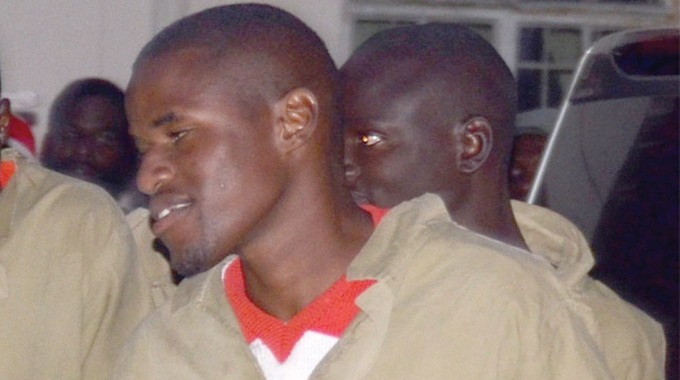
Danisa Masuku
RODNEY TONGAI JINDU. The very name conjures a chilling picture of unimaginable horror of a serial killer.
His confession to the gruesome murders of his two friends — a macabre narrative amplified by the unthinkable admissions of eating their raw liver and cooking their brains — now casts a long, dark shadow once more.
Next week, his re-sentencing appearance at the Bulawayo High Court threatens to tear open the wounds of the families who suffered the irreparable loss of their loved ones to Jindu’s murderous rampage, that had started to scab.
As the legal process revisits the horrific details, a fresh wave of raw grief and trauma is inevitable, forcing the relatives to relive the terrifying final moments of their loved ones, a cruel and unwelcome reminder of the monstrous depravity that stole them away.
The path to this re-sentencing has been long and fraught. Haunted by two counts of murder, Jindu was initially brought before the courts, where Justice Nokuthula Moyo, at the Bulawayo High Court, delivered a sentence of death. This pronouncement in 2018 condemned Jindu to a life contemplating his final reckoning.
However, the immutable hand of fate, in the form of the abolition of the death penalty, has irrevocably altered his destiny.
President Mnangagwa’s signing of the Death Penalty Abolition Bill has granted Jindu and 48 other inmates on death row a new, albeit grim, prospect. The gazetted Act now dictates that individuals convicted of murder in aggravating circumstances shall face a lengthy jail term, ranging from 20 years to life imprisonment.
Now, Jindu, incarcerated within the unforgiving walls of Khami Maximum Prison, is scheduled to reappear in court on April 14 at the Bulawayo High Court for re-sentencing.
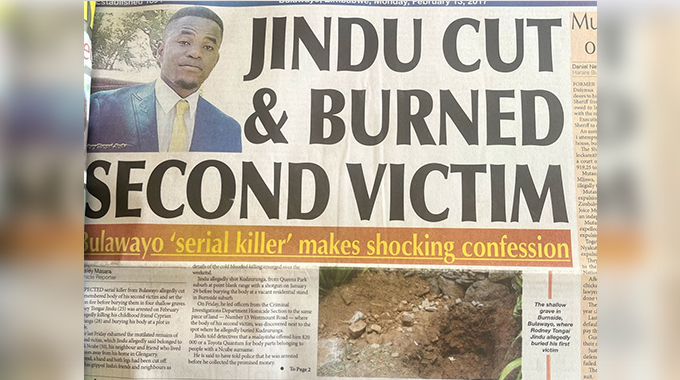
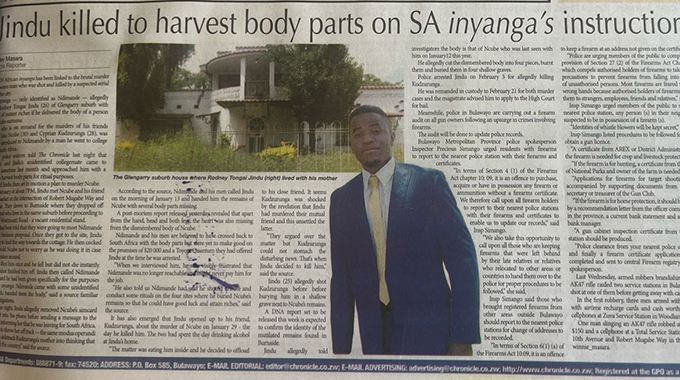
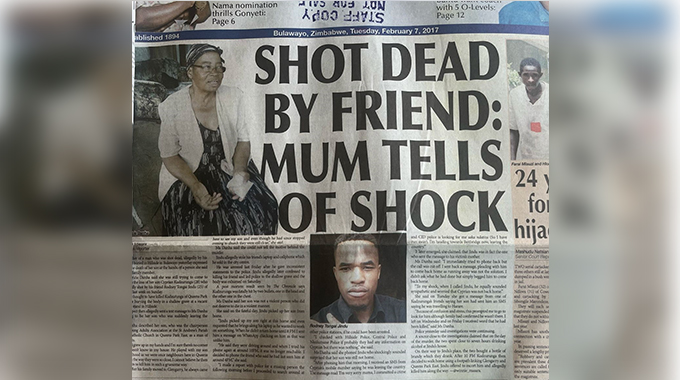
This once flamboyant young man, known for his expensive tastes, designer suits, and top-of-the-range vehicles, first seared his name into public consciousness on February 3, 2017. This publication broke the chilling news of his cold-blooded murder of his childhood friend, Cyprian Kudzurunga, a young man of just 28, whose remains he callously buried in a shallow grave on a plot in Bulawayo’s affluent Burnside suburb.
Jindu disturbingly disclosed to investigators that he murdered Kudzurunga out of fear – the fear of exposure. Kudzurunga, it was alleged, had stumbled upon evidence of Jindu’s ritualistic murder of Mboneli Ncube. In a calculated attempt to conceal his heinous acts, Jindu even sent a deceitful message to Kudzurunga’s mother, impersonating her son and claiming a sudden departure from the country.
While the public reeled from the sheer horror of this revelation, Jindu, already the subject of morbid fascination both within Zimbabwe and beyond, struck again, plunging the nation into further despair.
He chillingly recounted to detectives from the Homicide section how a cross-border transporter had approached him, offering a macabre exchange: US$20 000 or a Toyota Quantum for the body parts of Mboneli Ncube. This grotesque proposition, he claimed, ignited his desire to murder his friend Mboneli Ncube, a 30-year-old who lived a mere four houses away in Bulawayo’s Glengarry suburb.
Soon after, he delivered Ncube’s lifeless body to the transporter, who proceeded to harvest the head, hands, and both legs, leaving Jindu with the torso. This he placed in a plastic bag, transported on a wheelbarrow to the same plot in Burnside, and there, with chilling indifference, burnt and buried the remains in four separate shallow graves, mere metres from Kudzurunga’s final resting place. The gruesome discovery was swiftly reported to the police, triggering an urgent manhunt that culminated in Jindu’s arrest.
With a disturbing lack of remorse, Jindu led detectives to the scene, where the fragmented remains of Ncube were exhumed. When questioned by Homicide detectives, he confessed to the dismemberment. Following this horrifying revelation, he was brought before the court.
His initial court appearance in 2018 was marked by macabre drama as he openly confessed to shooting his two friends and the unspeakable act of consuming their flesh. This prompted Justice Moyo to order a psychiatric evaluation by two state doctors to ascertain his mental state under the provisions of the Mental Health Act.
“The accused person’s conduct is prima facie bizarre and abnormal. It is for these reasons that the court finds it fit that a mental examination be conducted to rule out any possibility of mental issues. This will allow the court to proceed to try the accused person after having been satisfied that he is mentally stable,” ruled Justice Moyo.
Following that, armed with a medical report certifying his mental soundness and fitness to stand trial, he returned to court. He appeared before Justice Moyo again, and during his initial trial appearance, he confessed to hiring his two neighbours to dig the graves. He also claimed to have been intoxicated by heroin and methamphetamine, a synthetic stimulant at the time of the murders.
However, Justice Moyo ultimately rejected this defence, convicting Jindu on two counts of murder with actual intent, committed under aggravating circumstances. In delivering the sentence, Justice Moyo deemed capital punishment the most fitting and appropriate for Jindu’s heinous crimes.
“The accused person is convicted of two counts of murder with actual intent. You killed two people in a space of three weeks. You mutilated the body of the deceased in count one; you took away property belonging to the deceased in count two.
“He executed the murders meticulously by first of all carrying a gun which should have been kept at his mother’s home. He then tried in a very clever way to conceal the murders by first sending text messages to the relatives of his victims as to the deceased’s whereabouts. He also deceived the police.
“He even refused to divulge intricate details of the murders hiding behind his fabricated Lucifer image. He cannot be found to be remorseful. His Lucifer version means that he is still bent on tricking the court right up to the end.
“If the accused person does not deserve capital punishment or if he is spared capital punishment then it means the relevance of capital punishment as enshrined in our law will become meaningless,” ruled Justice Moyo.