admin
adminand, in some cases, excessive rains. It is quite crucial that we are always prepared for any eventuality should we receive insufficient or excessive rains.
High rainfall can be a source of worry since this may cause flooding in some places. It therefore comes as some relief that the director of civil protection, Mr Madzudzo Pawadyira, has assured the nation that the national disaster response mechanism is in place and his unit was ready for both the rainy and festive seasons.
We commend the Civil Protection Unit for preparing for the rainy season on time but urge the public to be always on guard and take warnings from the CPU seriously. For the mitigatory measures to be effective, it is important for the CPU to involve affected communities in crafting ways of dealing with possible disasters.
This is because where civil protection authorities may see danger in settlements close to rivers, the communities could actually see them as strategic areas where they use alluvial soils for their farming and hence may never contemplate leaving the river banks, in spite of the flooding risks.
This is where the educational role of the authorities in conjunction with local community leaders should come in so that we cater for both interests without creating conflict that may lead to resistance to advice.
In urban areas, it has also been shown that blocked drainage systems could cause flash floods while houses built in low-lying areas could be at risk of flooding should we receive a lot of rain within a short space of time.
A campaign should be launched to educate everyone so that it is made clear that everyone is at risk, from the school children right up to adults in their homes and while out there or driving on flooded streets.
When disaster strikes, it is the local community that bears the brunt hence the need to involve them in planning in order to understand their own plans and fears. It is our hope that the disaster response plans in place, particularly in places that are prone to flooding, were crafted with the full involvement of the communities and that local leadership have been empowered to lead the response in case of emergency.
Apart from flooding and the risk of drowning in the rainy season, there is also increased travel in the festive period that leads to an increase in the number of accidents.
Traffic enforcement agents can only do so much and it is the motorists themselves that have to take up the responsibility and observe traffic rules. It is extremely difficult to control a vehicle at high speed, especially an overloaded one, in wet weather.
The recommended speed limits along our roads apply when normal conditions exist, but the tendency among some motorists has been that they want to maintain a certain speed regardless of the condition of the road. This should be discouraged as it could lead to serious accidents, not to mention crossing flooded rivers.
We applaud police and the courts who have been strict on enforcing traffic rules, especially with commuter omnibuses and other public transport and it is our hope that we will see a strong presence on our roads this festive season to prevent road accidents.
Reckless and drunken driving is criminal and our police force should always have breathalyser kits to flush out drunk drivers from our roads since they are a major risk and cause accidents through their reckless driving.
While it is our prayer that the country does not experience any disasters this rainy season, we urge the Government to ensure that the Civil Protection Unit is well capacitated to ensure a swift response in case of any emergency in any part of the country. Loss of lives due to failure to act on time would be a serious indictment on planning authorities hence our call for preparedness so that we don’t approach the rainy season with fear.


Online Reporter
- Herald
- July 31, 2026
- 17 views
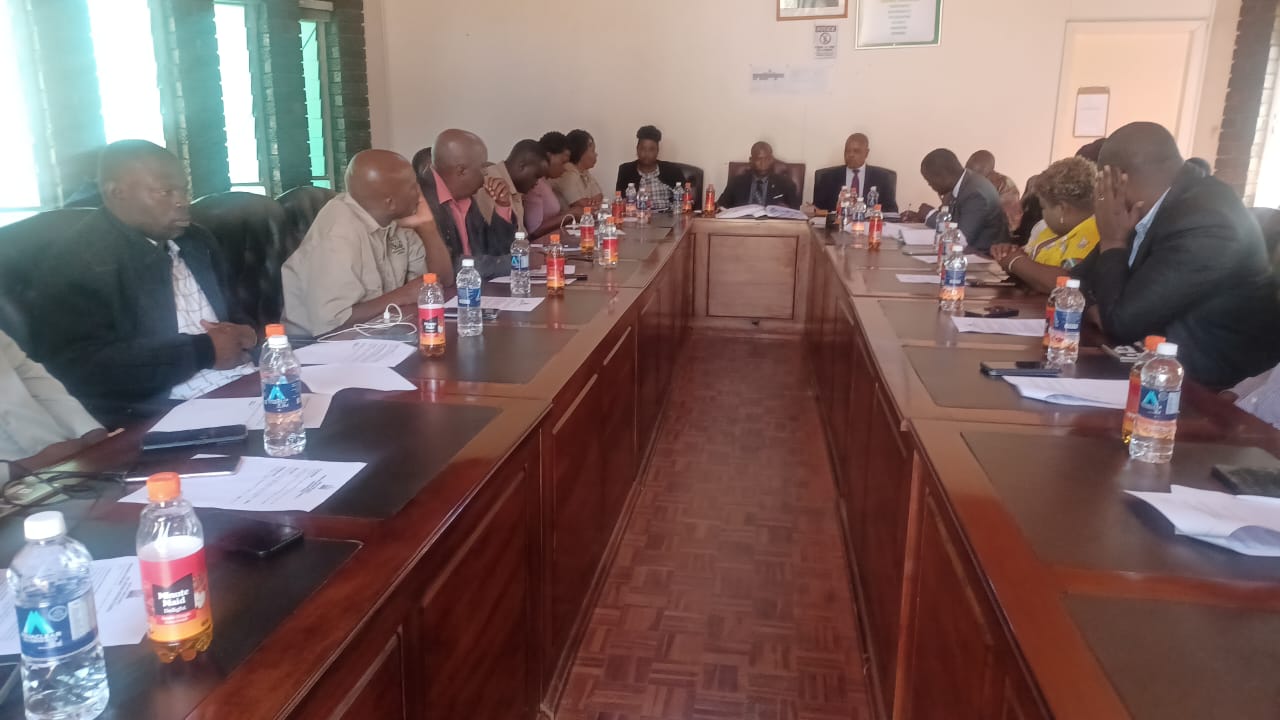
Norton Town Council renews integrity pledges
Diana Nherera Norton Town Council councillors and management on Thursday renewed their integrity pledges as part of the local authority’s commitment to promoting ethical conduct and combating corruption. Speaking…