Online Reporter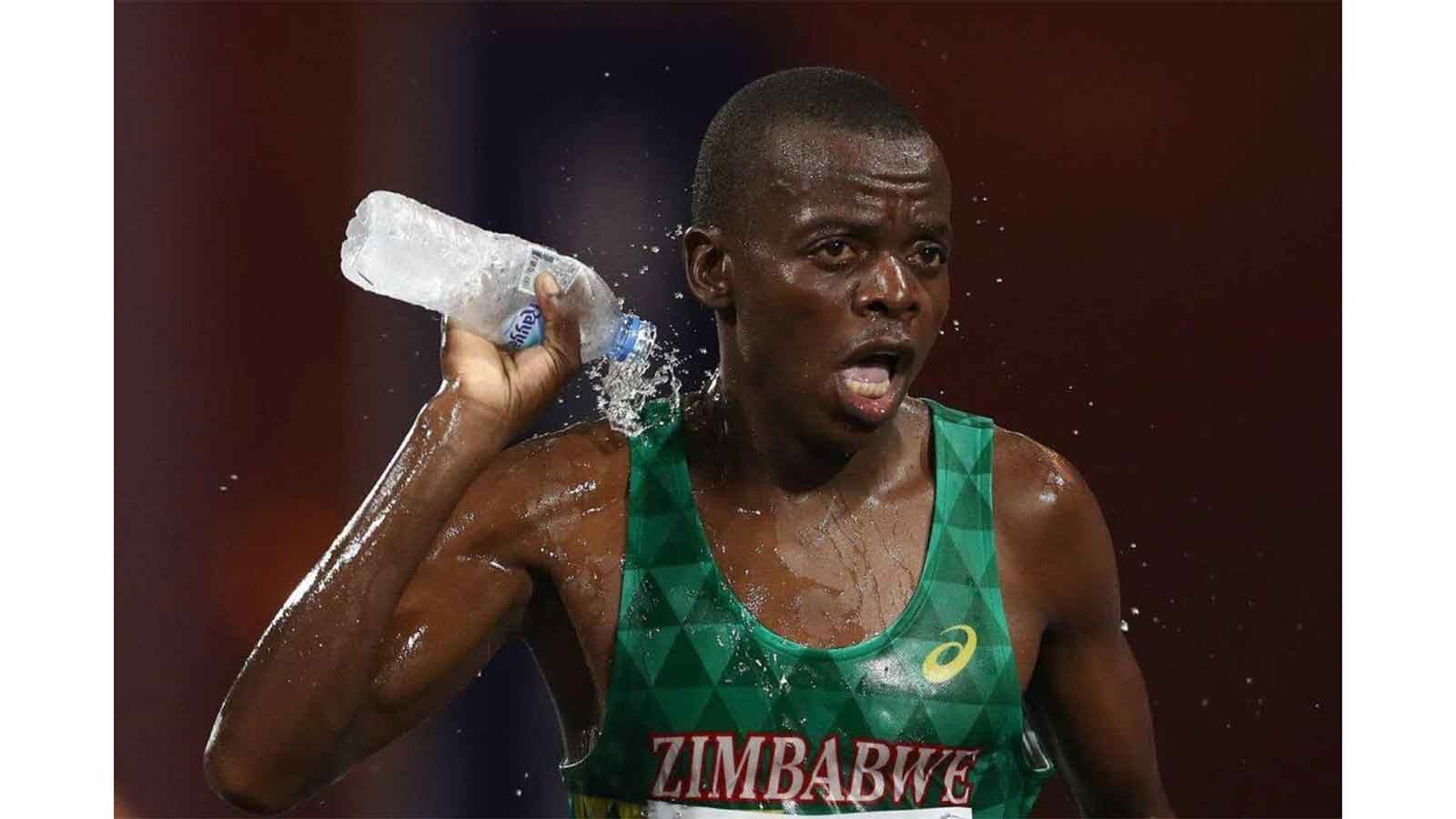
Ellina Mhlanga-Zimpapers Sports Hub
ZIMBABWE top long-distance runners have been charmed by the upgrading in status of the Cape Town marathon and are relishing the chance to continue making a mark at the race.
The event was recently elevated in stature to become the first Abbott World Marathon Major to be held on African soil.
It becomes the eighth member of the most prestigious series in the marathon global circuit, joining other illustrious races like the Tokyo, London, Boston, Sydney, Berlin, Chicago and New York City Mara-thins.
According to the Sanlam Cape Town Marathon website, the race will formally enter the series at the next edition on May 23, 2027.
This comes after the second successful evaluation at this year’s edition of the race on May 24.
The likes of Isaac Mpofu and Fortunate Chidzivo have regularly participated at the marathon, including at this year’s edition.
Mpofu feels the race will open doors for more African marathon runners to take part in such races, unlike when they had to look outside the continent, which comes with high cost of international travel and accommodation.
“What I can say is it’s a big step up for the Cape Town race and a big opportunity for athletes too.
“It’s in Africa, and we are blessed as it is close to us, with reduced costs when one needs to go to attend,” said Mpofu.
He added that it presents an opportunity to pursue qualification for major competitions such as the World Athletics Championships and Olympics closer to home.
“Major races are good for us as they provide a clean and straight qualification to big world events like the Olympics and the World Championships as long as we run a good time.
“The best move for us as Africans is to have a major event like this close by,” said Mpofu.
Chidzivo shares the same sentiments
“Despite being a marathon runner and an African, this calls for celebration.
“This is a huge achievement, and it means lower cost for us to attend than when we go to Europe or Asia, and sometimes you stress about visas, etcetera.
“Now we have a chance to scoop big points with less cost as I mentioned above.
“Congratulations to Sanlam Cape Town Marathon team.
“Hopefully, they will continue to consider recreational athletes from African soil to get standards for other majors around the world.” This year’s edition was graced by renowned Kenyan marathon legend Eliud Kipchoge, and he finished 16th.
The race was won by Ethiopia’s Heseyidin Mohamed Esa in a course record of 2 hours 4 minutes 55 seconds.
It was an Ethiopian affair, with Dera Dida claiming the women’s title in 2 hour 23 minutes 18 seconds.
Seasoned coach Benson Chauke described the development as the best news for the continent.
“I think this is the best news one would have wanted, particularly for us from Africa.
“We didn’t have very fast courses in Africa . . . records broken, like really competitive times.
“So, having one in Africa makes a lot of sense in the sense that for Africa to get visas to go to Europe or the Americas, where there are already known established courses, it has always been a challenge to obtain a visa.
“And number two, there’s always been a challenge to get someone to register you for such events . . . The cost of sending one person to Europe could probably take two or three people to go to Cape Town. So, in terms of the cost of attending such competitions, the one in Africa is cheaper.
“In terms of registration, instead of having to have a manager to register you for the European races, possibly this one, one can just enter like an open race and compete and get the times,” said Chauke.
He believes it will push local athletes to run better times, with some of the world’s elite marathon runners likely to take part.
“In terms of the competitiveness of the race, I think the time that has been registered in the past, the previous competition, speaks volumes of how fast the course is, which makes it also competitive to some of the well-established courses in the marathon races in Europe.
“So, for us, it’s an advantage,” said Chauke. Besides costs, Chauke is positive the race provides a more familiar environment for African athletes.