Nqobile Bhebhe Zimpapers Business Hub
CAPITAL market players have proposed a 10-year embargo on delistings from the Zimbabwe Stock Exchange (ZSE) to relist on the Victoria Falls Stock Exchange (VFEX) to protect investors, strengthen market stability and preserve the country’s capacity to mobilise long-term capital.
This emerged at the inaugural Financial Markets Stakeholder Summit in Bulawayo last week, where market participants warned that continued migration of companies from the bourse could erode its depth, weaken investor confidence and undermine its long-term sustainability.
The inaugural Financial Markets Stakeholder Summit brought together policymakers, regulators, listed companies, investors, stockbrokers and other market intermediaries to explore ways of strengthening Zimbabwe’s financial markets through improved connections between capital, innovation and investment opportunities.
Companies choose to transfer their listings from the ZSE to the US dollar-denominated VFEX to achieve proper asset valuation, benefit from its range of incentives and access foreign capital, among other incentives.
Over a dozen major firms have completed migrations from the ZSE to VFEX, including Padenga Holdings, Simbisa Brands, TSL Limited, Axia Corporation, Bindura Nickel Corporation, Innscor Africa, Seed Co Zimbabwe, First Capital Bank and Zimplow Holdings.
Edgars, African Sun and National Foods had a short dalliance with VFEX after migrating from the ZSE, citing thin trading in their shares.
Stakeholders called for stronger safeguards to discourage premature delistings and harmonisation of incentives across the two bourses to create a level playing field and prevent competition between them from weakening the domestic capital market.
The VFEX offers specific tax incentives and relaxed rules around capital and fund repatriation, making it more attractive for regional and cross-listed groups.
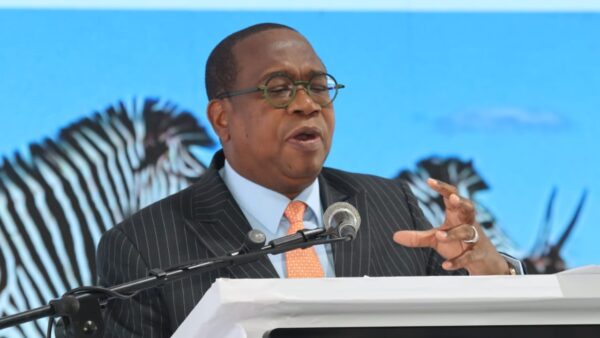
Speaking at the summit, Zida chief executive, Mr Tafadzwa Chinamo, said companies should be discouraged from delisting from the ZSE, warning that continued migration to VFEX raised questions about the future viability of the traditional exchange.
“Let’s stop the delistings from the Zimbabwe Stock Exchange. Delisting is not good for any reason,” he said.
“When they delist and go to Victoria Falls Stock Exchange, the question is, for how long are we going to sustain this and keep ZSE?”
Mr Chinamo questioned whether incentives offered under VFEX could be extended across the country’s capital markets, instead of creating an uneven competitive environment between the two exchanges.
“Maybe these incentives we are talking about at VFEX, they should be in one Stock Exchange,” he said.
Mr Chinamo questioned whether some companies adequately assessed the financial and regulatory obligations associated with listing before joining the ZSE, particularly given subsequent complaints about compliance costs and listing fees.
“When they delist, we hear that the listing requirements, especially the fees, are too high. Maybe they should not have listed in the first place,” he said.
His remarks point to the need for companies to undertake proper cost-benefit assessments before listing, while market operators and regulators must ensure that compliance requirements remain proportionate and do not unnecessarily discourage businesses from accessing public capital.
The debate comes amid broader concerns about the ability of Zimbabwe’s capital markets to retain listed companies and provide a reliable platform for mobilising domestic savings into productive investment.
Stockbroker, Ms Rumbidzai Moyo, said companies that raise capital from the public must demonstrate long-term commitment to the market and shareholders whose investments support their operations and expansion.
“Once a company makes the decision to list and raises money from the public, there must be a certain level of commitment,” she said.
“We should consider introducing a 10-year period during which a company cannot simply delist at will.
“Investors put their money into these companies with expectations of long-term returns, and there must be safeguards to protect those investments.”
Mr Tanatswa Nyambuya, a seminar participant, said frequent departures could undermine the exchange’s stability and discourage institutional investors who depend on predictable investment environments.
“A stock exchange must have stability and continuity,” he said.
“If companies are allowed to list, benefit from the capital market and then leave after a short period, it undermines investor confidence.
“I am of the view that an eight-to-10-year delisting embargo could help create discipline and encourage companies to take their listing obligations seriously.”
The proposed restriction would require careful consideration to balance market stability and shareholder protection against companies’ legitimate commercial interests, the analysts noted.
A regulatory framework could provide for exceptional circumstances such as mergers, acquisitions and financial distress, while preventing delisting from becoming an easy exit after benefiting from public capital.
In June, Zimbabwe-based think-tank, Africa Economic Development Strategies (AEDS), warned that the growing number of companies exiting the ZSE and VFEX reflected structural issues within the capital markets.
AEDS attributed the departures to both voluntary corporate decisions and financial pressures arising from depressed valuations and limited access to capital for recapitalisation.