
Doris Mpala Agriculture Correspondent
MATABELELAND North Province has recorded the highest number of fish fingerlings stocked for the 2026/27 season, with 156 250 fingerlings placed in 53 ponds, as the country continues to promote aquaculture production and improve fish supplies.
The latest weekly report from the Agriculture Development Advisory Services (Adas), chief director, Mrs Medlinah Magwenzi highlighted progress in fish fingerling production, pond stocking for the 2026/27 season and fish harvests recorded across the country.
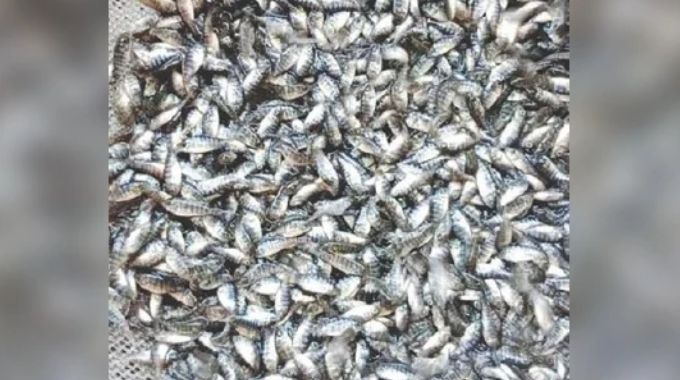
The report shows that a total of 230 250 fingerlings have been stocked in 96 ponds countrywide, with Matabeleland North accounting for the largest share. The province has stocked 156 250 fingerlings, representing more than half of the national total.
Midlands followed with 65 500 fingerlings stocked in 37 ponds, while Mashonaland West recorded 4 500 fingerlings in four ponds. Masvingo stocked 4 000 fingerlings in two ponds.
However, Matabeleland South and Mashonaland Central had not recorded any ponds stocked by the time of the report, while Manicaland and Mashonaland East also recorded no stocking activity.
The report also highlighted developments at fish hatcheries, with Radco in Mashonaland Central recording 475 000 fingerlings produced during the season.
“Distribution to farmers has commenced with 355 000 fingerlings distributed so far”, said Mrs Magwenzi.
However, production at some facilities continues to face challenges.
Henderson Fisheries Unit in Mashonaland Central recorded no fingerling production due to water shortages at the breeding site.
“Water shortage at the breeding site adversely affecting production”, she said.
In Matabeleland South, Matopos Fisheries Unit had produced 15 000 fingerlings, which were still at the fry stage, while Makoholi Fisheries Unit in Masvingo recorded 11 000, also still at the fry stage.
Holycross in Midlands recorded 7 000 fingerlings, while Kariba Bream Farm in Mashonaland West produced 175 000. Lake Harvest in the same province had not submitted its returns at the time of reporting.
“Temperatures are currently favourable for fingerling production”, Mrs Magwenzi indicated, pointing to favourable conditions for continued production, although water shortages and delays in returns remain areas of concern.
Turning to fish harvests, the country recorded a total of 201,54 tonnes from aquaculture and 395,242 tonnes from wild capture, bringing the combined harvest to approximately 596.8 tonnes.
Matabeleland North recorded the highest wild-capture harvest at 269,072 tonnes, while its aquaculture production stood at 9,384 tonnes.
Mashonaland West followed in aquaculture production, recording 85,9261 tonnes, alongside 25,675 tonnes from wild capture. The province’s aquaculture harvest was the highest among the provinces listed in the report.
Harare Metropolitan recorded 0,45 tonnes from aquaculture, with no wild-capture harvest reported.
Other provinces also contributed to the country’s fish production. Matabeleland South recorded 49,78 tonnes from aquaculture and 41,95 tonnes from wild capture, while Masvingo harvested 26,87 tonnes from aquaculture and 42,27 tonnes from wild capture.
Manicaland recorded 17,73 tonnes from aquaculture and 4,962 tonnes from wild capture, while Midlands produced 6,226 tonnes and 9,538 tonnes respectively.
Mashonaland Central recorded 5,135 tonnes from aquaculture and 1,125 tonnes from wild capture, while Mashonaland East recorded 0,04 tonnes and 0,65 tonnes respectively.
The figures highlight the contribution of both aquaculture and wild-capture fishing to national fish supplies, with Matabeleland North leading in wild-capture harvests and Mashonaland West recording the highest aquaculture output.