Online Reporter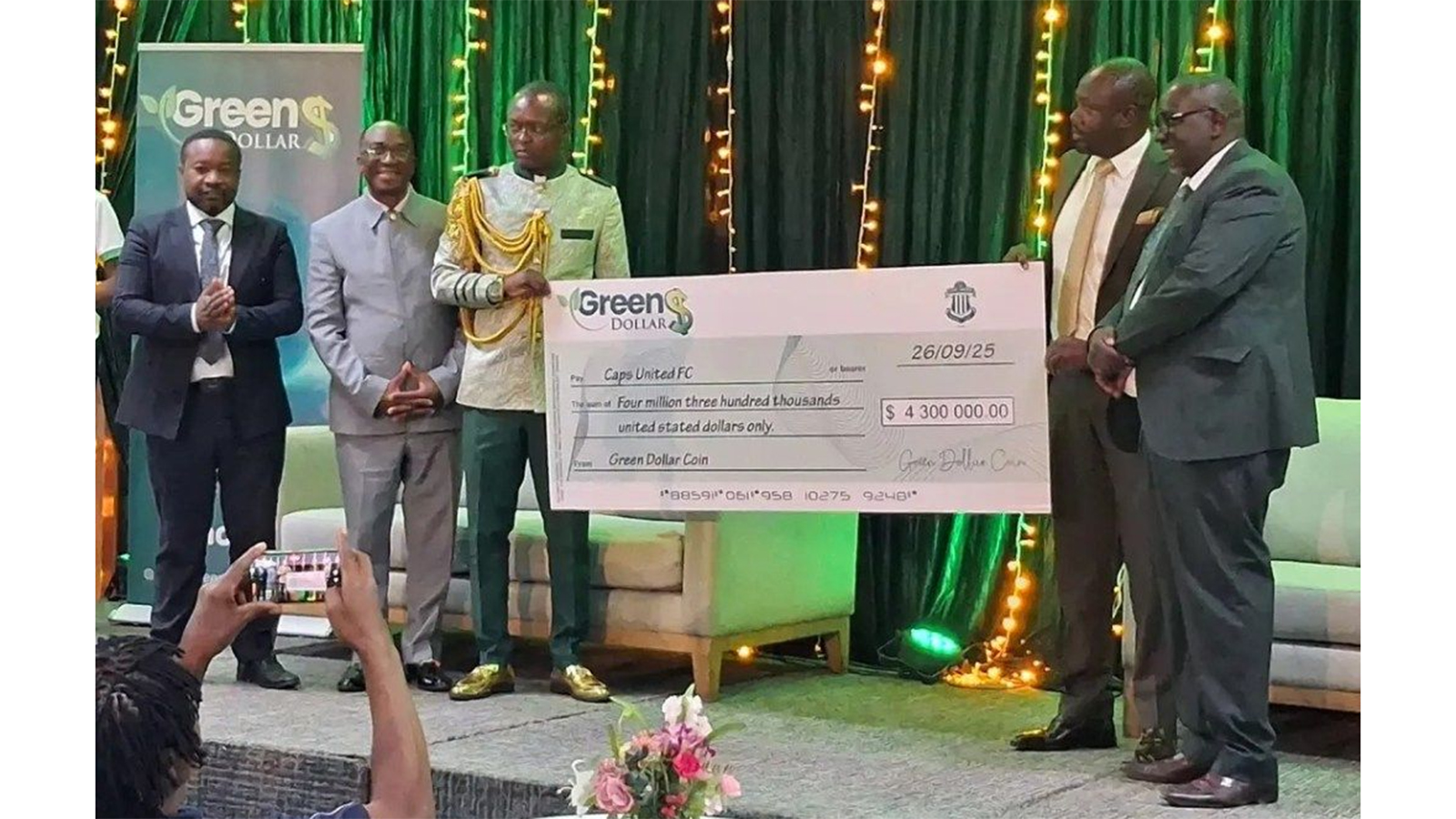
Veronica Gwaze-Zimpapers Sports Hub
IN Zimbabwean football, sponsorship is lifeblood. Without it, clubs limp from season to season, scrambling for salaries, bonuses and bus fare. With it, they can dream big. The country’s Premiership has in recent years seen a widening gulf between the haves and have-nots, as deep-pocketed benefactors and corporates pour millions into certain clubs while others struggle to pay salaries.
Newcomers Scottland, for instance, have stormed into the top-flight with a US$7.5 million package from Sakunda Holdings, spread over five years, plus a further pledge from businessman Wicknell Chivhayo.
Simba Bhora, last season’s champions, pocketed US$500 000 from Betterbrands, while MWOS FC are backed by the MWOS One Community initiative alongside Tamuka Coaches.
Platinum miners Mimosa and Zimplats have long underpinned FC Platinum and Ngezi Platinum Stars, turning them into serial contenders with state-of-the-art facilities. Chicken Inn enjoy the stability of ownership under Simbisa Brands.
Even Highlanders attracted fresh pledges from Chivhayo to add to Sakunda and Utande, while Chicken Inn rely on the steady corporate muscle of Simbisa Brands.
Against this backdrop, CAPS United, the Green Machine, once a powerhouse but lately more fragile than formidable, unveiled what seemed like their own golden ticket; a US$4.3 million deal with a company called Green Dollar Coin.
On paper, it looked like salvation. Over three years, CAPS would receive US$1.2 million annually, with additional performance bonuses and US$100 000 earmarked for activation. Two new buses were promised.
Player welfare, signing-on fees, infrastructure, youth development all appeared covered.
“This is the deal that will transform our club,” declared CAPS CEO Morton Dodzo, breaking down the numbers with precision. “We still have confidence and we still believe the sponsor will fulfil all the terms of the contract. So far so good.”
For a fan base weary of broken promises, it sounded like a lifeline.
But within days, cracks appeared.
At the glitzy launch, sponsor Noel Mavura introduced himself as president of the “Green Dollar Development Bank” based in Lesotho, proudly declaring it the first bank regulated by the Central Bank of Lesotho.
Yet when Zimpapers Sport reached out, the Central Bank flatly denied the existence of such an institution. “Green Dollar Coin Bank does not exist in Lesotho, neither as a bank nor as a microfinance institution,” they said, warning corporates to steer clear of unlicensed operators.
A confidential source at the Central Bank went further, branding Green Dollar one of several “scammers currently bedevilling the nation.”
When this reporter posing as a potential client visited Green Dollar’s Harare office, the sign outside read “Goldenbag Finance.” No trace of Green Dollar branding. Inside, a PR officer named Naome insisted the bank was US-based, operated in Lesotho, and specialised in cryptocurrency “backed by gold and diamond.”
“Our currency does not depreciate,” she said, “because it is backed by gold and diamond.”
Pressed further, she described loans as “tokens of appreciation” to clients, repayable with interest.
But when asked formally for clarification, another employee, Becky, shifted the story again: “Green Dollar Coin is a sustainable, eco-conscious cryptocurrency registered in the UK. Our deal with CAPS is a strategic partnership aimed at football development.”
So was Green Dollar a bank in Lesotho, a crypto in the UK, or a shadow lender in Harare? The inconsistencies only deepened the mystery.
CAPS United’s management brushed off the confusion. “It is Green Dollar Coin, not Green Dollar Development Bank. The media mixed up names,” insisted Dodzo.
He added that Mavura held shares in a separate entity called Green Dollar Development Bank in Eswatini, but the CAPS deal was strictly with Green Dollar Coin, a cryptocurrency outfit.
“We have a committed contractual agreement,” Dodzo said. “Negotiations started long back in 2024. We have tried to check what we can check. We still have confidence.”
Still, uncomfortable questions remain. Why was the livestream of the sponsorship unveiling quietly deleted from CAPS’ and Green Dollar’s pages? Why didn’t CAPS flag the sponsor’s muddled identity earlier, especially after past embarrassments?
To operate in Zimbabwe, any financial institution must register with the Reserve Bank of Zimbabwe. Yet RBZ Governor Dr John Mushayavanhu confirmed Green Dollar was not on their books.
“Green Dollar is not a banking institution nor a microfinance institution under the RBZ,” he said. “We have not received an application for a licence in their name. RBZ has no formal information on their background or legitimacy.”
Out of 19 registered banks and over 300 microfinance institutions, Green Dollar appears nowhere.
If this collapses, it won’t be CAPS United’s first costly misstep. In 2015, a flashy South African start-up called Zing promised to bankroll and take over the club. That deal folded within a month.
Today, with rivals backed by mining empires, betting giants, and deep-pocketed benefactors, CAPS risk being seen as a club so desperate to stay relevant that they will clutch at any deal, no matter how shaky.
For Zimbabwean football, the story is bigger than CAPS. It’s about the dangers of a cash-strapped league navigating a sponsorship gold rush where some nuggets may be fool’s gold.
Clubs like Scottland and Ngezi Platinum Stars showcase what solid backing can achieve, stadium upgrades, professional structures and steady progress.
But if a giant like CAPS has indeed tied itself to a ghost sponsor, the fallout could be devastating not just for the club but for the credibility of the league itself.
For now, the Green Machine’s fans can only hope their club hasn’t mistaken a mirage for millions.