admin
admin
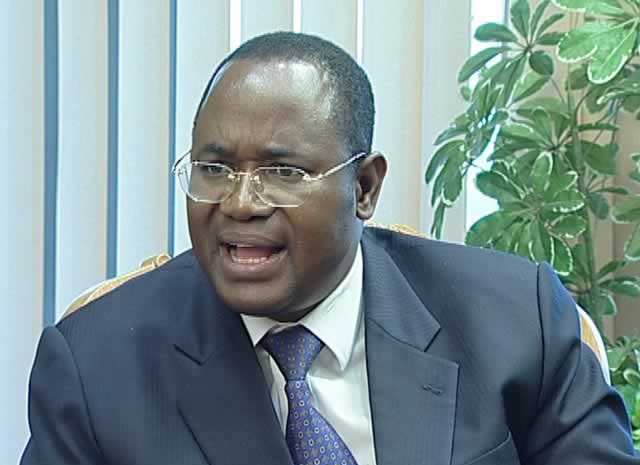
Martin Kadzere Harare Bureau
CAPS Holdings executive chairman Fred Mutanda has made sensational claims that the Reserve Bank of Zimbabwe collapsed the operations of CAPS Pharmaceuticals after ordering delivery of “all stocks of medicines” to government hospitals about six years ago.CAPS Pharmaceuticals, once the country’s largest drug manufacturing firm has since ceased operations and its premises in Southerton were once auctioned for $1.5 million.
The auction was however reversed after the High Court ordered that the sale of the premises should be done through a private treaty.
Government was also reported not to be happy with the business that was likely to be conducted by the winning bidder.
While the collapse of Caps Pharmaceuticals is blamed on poor management and alleged interference by Mutanda, who is also the majority shareholder, the businessman has blamed the actions of the central bank, which he alleged collapsed the company.
CAPS Pharmaceuticals used to manufacture about 75 percent of the country’s essential drugs. In court papers filed at the High Court in which Mutanda is challenging the placement of QV Pharmacies, one of CAPS Holdings subsidiaries, he said the central bank had promised to pay the drug-maker in foreign currency to procure raw materials. But the company had to look for funds elsewhere after the central bank failed to pay.
“Around August 2008 the Reserve Bank crippled CAPS Pharmaceuticals after commandeering the delivery of all stocks of medicines to Natpharm to facilitate re-opening of government hospitals, promising to provide foreign currency for raw materials to replace the delivered medicine and restock the whole product portfolio,” he claims.
“The promised foreign currency never materialised but CAPS was paid months in worthless Zimbabwean dollars, which the company could not access until local currency was demonetised.”
Zimbabwe adopted a multi-currency regime on January 29, 2009 in the wake of the collapse of the Zimdollar, and four currencies were adopted — the South African rand, the Botswana pula, the British pound sterling and the United States dollar.
Government has since directed that CAPS should be re-opened due to the strategic nature of the business. In 2008, most gold mines, including those operated by Metallon, the country’s largest producer of the metal suspended operations due to delays in receiving payments for gold delivered to the central bank which had monopoly on the gold trade.
But the miners resumed operations in July 2009 after a new unity government allowed miners to sell their own bullion.
The RBZ owes gold producers about $50 million, acting governor Dr Charity Dhliwayo said last week. The debt has since been assumed by the Ministry of Finance and Economic Development which will settle all payments.
Former central bank governor Dr Gideon Gono has on several occasions defended his actions. His actions were meant to prevent the country from descending into chaos “like Somalia.”
“Whatever I did had authorisation from the Government of the day,” Dr Gono once said.


 Online Reporter