Online Reporter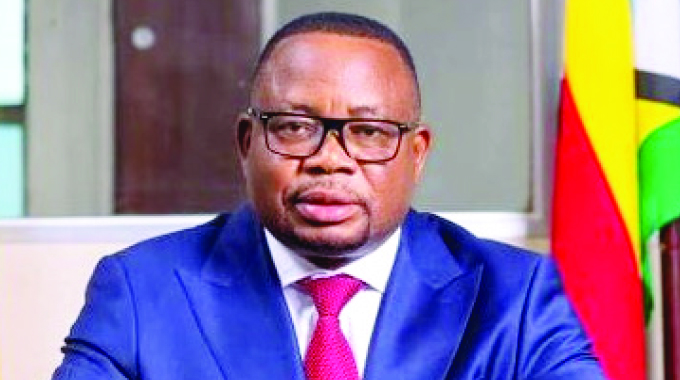
Ivan Zhakata
Herald Correspondent
Government will introduce a National Career Guidance Policy framework to address rising youth unemployment and the disconnect between education and labour market needs.
Skills Audit and Development Minister Professor Paul Mavima announced this initiative at a consultative workshop in Harare yesterday.
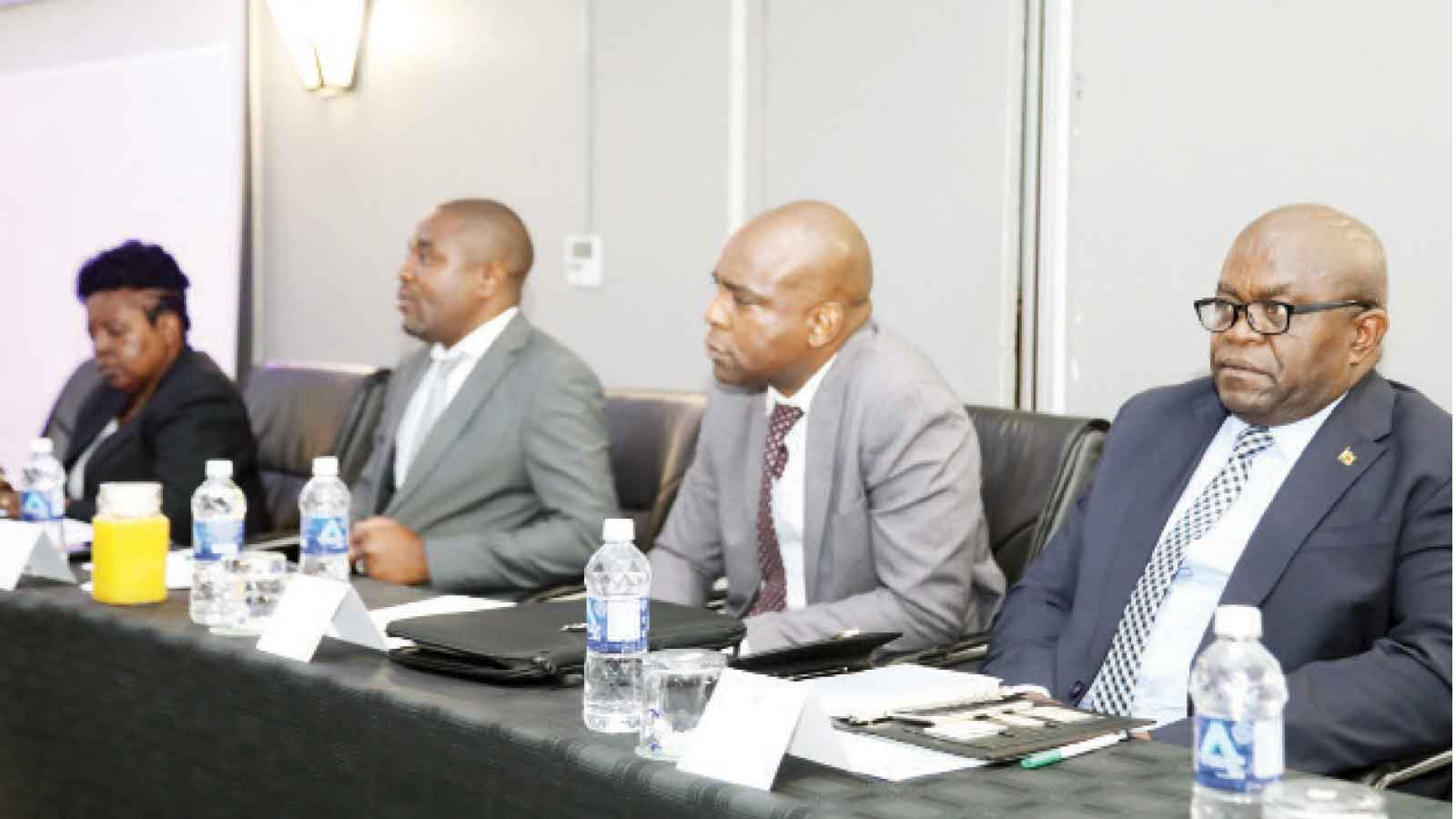
The workshop brought together education officials, industry representatives, vocational training institutions and development partners to discuss the proposed framework.
Prof Mavima emphasised the critical role of career guidance.
“Career guidance is not a luxury; it is a necessity. It is the bridge that connects education to employment, and aspirations to achievements,” he said.
Despite Zimbabwe’s strong educational foundation, career services are fragmented and often inaccessible, especially in rural and marginalised areas.
Prof Mavima pointed out ongoing issues such as skills mismatches, underemployment, and a lack of awareness among young people regarding available career pathways.
The proposed framework includes several key initiatives. One initiative is the integration of labour market information to ensure that relevant data is incorporated into the education system.
Another initiative is the deployment of trained career guidance counsellors, who will provide essential guidance to students. The promotion of vocational and technical training aims to highlight these fields as viable career options.
In addition, the standardisation of career services will ensure that every school has access to qualified career counsellors, particularly benefiting disadvantaged learners.
Prof Mavima acknowledged that vocational training centres (remain underused due to negative perceptions surrounding technical careers.
He stressed the need to change societal attitudes, adding that technical and vocational careers are essential for national growth in sectors like construction, agriculture, and manufacturing.
The national career guidance policy aligns with Zimbabwe’s Vision 2030, which seeks inclusive economic growth, employment creation, and skills development.
It also addresses gaps identified in the National Action Plan (2022–2025), particularly regarding poor coordination among institutions and the disconnection between educational outcomes and national development goals.