Ray Bande
Senior Reporter
I AM not sure why we are shocked by the number of accidents happening in Zimbabwe.
As Zimbabweans, we need to be honest with each other. Having recently driven from Plumtree to Harare, and from Harare through Mutare to Beitbridge, I expected, and expect more road accidents to happen in the tea pot country.
It is not a macabre thought.
The number of unroadworthy vehicles one encounters is alarming, the overloading and speeding from the mushikashikas, GD6s, and ex-jap imports would make any formula driver envious.
However, it is the general reckless driving and risk-taking that shocked me.
It is a recent phenomenon that we never witnessed in the 90s and early 2000s.
You see eight cars overtaking at the same time on a blind spot.
What is that?
Everyone seems to be in a hurry, no one is patient.
I from Cape Town had to be the patient one, giving way to cars facing the red robot when I was facing the green robot, giving way to cars facing a stop sign when facing none, giving way to cars to overtake me when it could have been my turn.
Yes, the roads are not in the best of condition, but the ones I used were not the worst.
If anything they are much better than what I expected.
What is also shocking is that we went through more than 20 to 30 police roadblocks from Plumtree to Beitbridge, but the police seem to be more focused on collecting bribes than enforcing traffic laws.
They would rather fine you for stopping in front of a non-existent stop line than fine an overloaded or rickety car.
Ahhhh, let us be real!
We know what is hitting us and when the rains begin to hit us, but as usual, we evade the truth and wait for the next calamity!
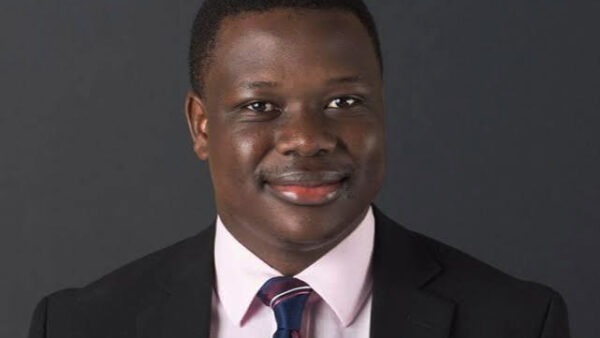
This was the brutally honest assessment of Dr Blessing Gavhure Mlambo, a former Mt Selinda High School learner who is now based in Cape Town, but hails from Chipinge, who took to social media platform, Facebook after the nasty experience.
Every day, millions of people around the world get behind the wheel, board buses or travel as passengers believing they will safely reach their destinations. Sadly, for many, that journey ends in tragedy.
According to the World Health Organisation (WHO), road traffic accidents claim approximately 1,3 million lives globally every year, while between 20 million and 50 million people suffer non-fatal injuries, many of which result in permanent disabilities.
Beyond the statistics lie devastated families, orphaned children, lost livelihoods and communities forced to bear the emotional and economic burden of lives cut short or forever altered.
In Zimbabwe, the true impact of road traffic accidents is reflected, not only in official records, but also in everyday experiences.
Virtually every community has a family mourning a loved one lost on the roads, caring for an injured relative or struggling with the consequences of a crash. The scars left by road accidents are visible in homes, workplaces, hospitals and schools across the country.
The reality is that every person who steps into a vehicle, whether as a driver or passenger, faces some degree of risk. Road accidents have become an unfortunate feature of modern life as people travel between homes, workplaces, schools and business centres. However, while some risks are unavoidable, many road traffic crashes can and should be prevented.
Several factors contribute to road accidents, including poor road conditions, vehicle defects, fatigue, illness, distracted driving, driving under the influence of alcohol or drugs, and adverse weather conditions. Yet among all these factors, human error continues to stand out as the leading cause of crashes.
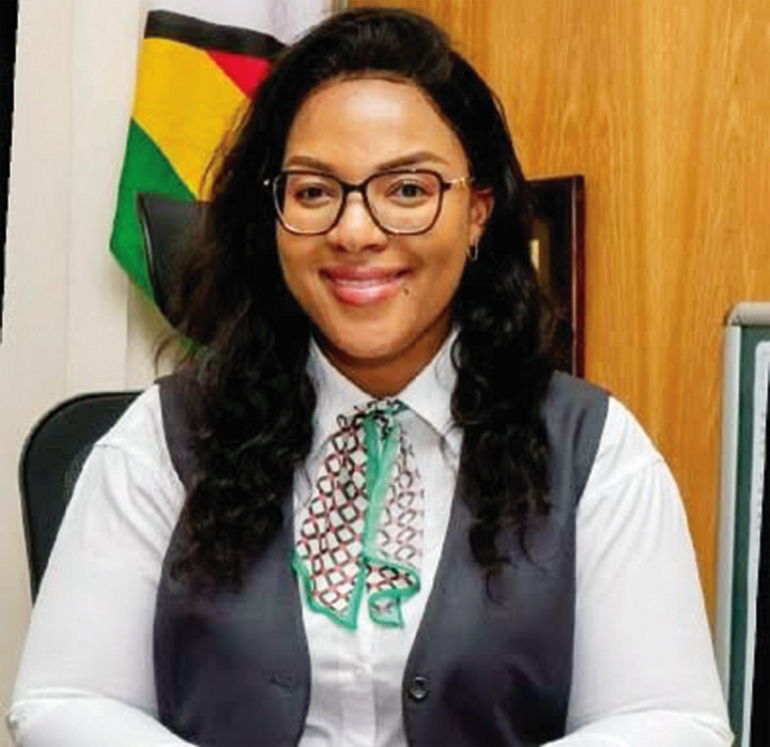
Traffic Safety Council of Zimbabwe (TSCZ) Media and Corporate Communications Officer, Mrs Lucy Kuwandira-Mapfumo, said negligence and poor decision-making by road users remain major contributors to collisions.
“Human error remains one of the major contributors to road traffic crashes in Zimbabwe. TSCZ has previously noted that about 94 percent of established causes of road traffic crashes are attributable to human error.
“This demonstrates that road safety is, not only about the condition of our roads or vehicles; it is also significantly about the decisions and behaviour of people using our roads,” she said.
Careless driving manifests itself in many ways, including speeding, dangerous overtaking, tailgating, failure to give way, improper lane changing, driving while fatigued, distracted driving and operating a vehicle while under the influence of alcohol or other intoxicating substances.
A moment of inattention can have catastrophic consequences.
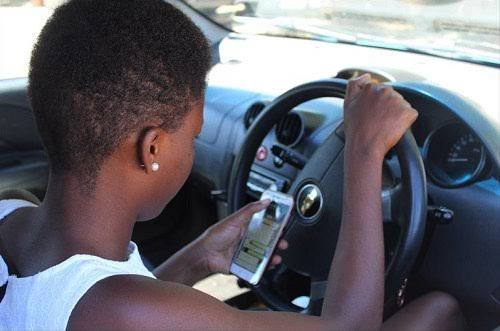
“Something as simple as looking at a cellphone, overtaking when it is unsafe, driving too fast for prevailing conditions, following another vehicle too closely or failing to anticipate the actions of another road user can result in a crash,” said Mrs Kuwandira-Mapfumo.
She emphasised that road safety should never be viewed as the responsibility of one group alone.
“Defensive driving means anticipating potential hazards and the mistakes of other road users rather than assuming that everyone on the road will always act correctly.
“It is important to emphasise that road safety is a shared responsibility. Government, enforcement agencies, road authorities, vehicle owners, drivers, passengers, pedestrians and other stakeholders all have a role to play.
“However, every driver has a responsibility to make safe decisions each time they get behind the wheel,” she said.
Indeed, road safety begins with individual choices. Choosing not to speed, refusing to drink and drive, wearing a seatbelt, observing traffic regulations and ensuring a vehicle is roadworthy can make the difference between life and death.
The need for greater vigilance becomes even more pronounced during peak travel periods such as the festive season, when traffic volumes increase significantly.
Zimbabwe Passenger Transport Organisation chairperson, Dr Samson Nhanhanga, previously highlighted the important role played by public transport operators in reducing road accidents.
“We need to ensure that we prepare adequately for the festive season and play our role in reducing road traffic accidents.
“It is wrong for operators not to prepare adequately and ensure sufficient staff are available to manage the increased workload associated with the festive season. This includes having enough drivers to avoid fatigue-related accidents,” he said.
Dr Nhanhanga also stressed the importance of regular vehicle maintenance and adherence to safety regulations.
“Basic servicing of vehicles and ensuring they are roadworthy are key requirements. One life lost on the road is one too many. Issues relating to speeding and overloading must be avoided at all costs,” he said.
Beyond the human suffering they cause, road traffic accidents also impose a substantial economic burden on nations. Road crashes result in enormous costs through medical treatment, rehabilitation, emergency response services, property damage and insurance claims. They also lead to loss of productivity as injured people are unable to work, while family members may have to take time off to care for them.
In severe cases, families lose breadwinners, plunging households into financial distress and reversing years of economic progress. The World Health Organisation estimates that road traffic crashes cost most countries approximately three percent of their gross domestic product.
The implications extend even further. Road safety is increasingly recognised as a critical component of sustainable development. It is closely linked to the achievement of the Sustainable Development Goals (SDGs), which seek to improve health, reduce poverty and inequality, and promote prosperity for all.
Safe roads support economic growth, improve access to education and healthcare, and protect communities from preventable loss and suffering. Reducing road traffic injuries and fatalities is therefore not just a transport issue; it is a development imperative.
The message from road safety experts remains clear and consistent. Most road crashes are preventable. Every road user has a role to play in making Zimbabwe’s roads safer.
Whether one is a motorist, passenger, pedestrian, commuter operator or policymaker, road safety must become a conscious daily commitment.
As Mrs Kuwandira-Mapfumo aptly puts it: “Safety first, there is no second chance.”
Those words should serve as a reminder to every road user. Arriving late is far better than never arriving at all. Lives depend on the decisions made behind the wheel, and every journey should begin and end with safety as the top priority.