

 Chronicle Editor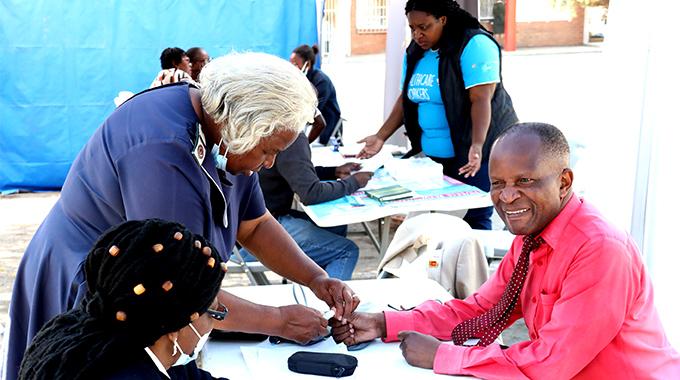
Nqobile Tshili, [email protected]
In the eyes of many, doctors and other healthcare professionals are akin to superheroes, their existence dedicated to the noble cause of saving lives. Their unique medical expertise necessitates their constant availability for public service.
Often, it is unimaginable that doctors or nurses can fall ill or also require care and medical attention.
But just like any citizen, health workers also require medical care, especially considering the burden of looking after others, including handling complicated traumatic situations.
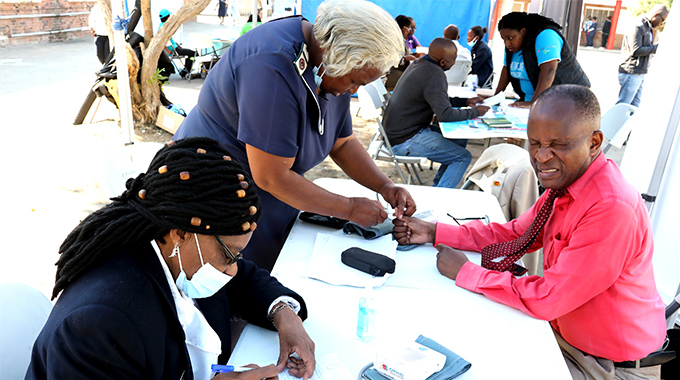
Under a wellness programme running under the theme; “Caring for the caregiver”, which occurs once a year, workers in the health sector receive free medical consultation and where necessary be referred for treatment.
Mpilo Central Hospital conducted the wellness programme for its staff yesterday, which attracted scores of medical and non-medical workers. Recognising the critical role health workers play, the referral institution provided free checkups for diabetes, blood pressure, eye tests, HIV and counselling, among other service.
A Chronicle news crew covered the programme and spoke to several health workers who reflected on the importance of the wellness programme saying it lifts the weight on their shoulders.
The hospital’s senior orthopaedic surgeon, Dr Yahaya Malongo, said it was important for the health workers to be taken care of as they rarely have time to look after themselves. He said doctors are sometimes psychologically affected when patients die under their care.
“They are only concerned about the health of other people but it is important for the caregivers to be also looked after,” he said.
“Being a health worker is a big burden, we are looking after sick people and we take full responsibility for what happens and you have to apply your full knowledge to the best of your ability in assisting patients.
“Sometimes things go wrong and probably this is where we need that care for the caregiver. It is a burden to carry the responsibility of maintaining life and looking after life and to make sure that we do not have loss of lives that can be quite a heavy responsibility.”
Dr Malongo said the wellness programme should be done regularly as opposed to once a year.
Dr Malongo said wellness programmes are important and the public should also take advantage of them as prevention is better than cure.
“Our primary aim as healthcare workers is to prevent diseases rather than treat them. So, if we can have healthy lifestyles, eat well, exercise, socialise with others I think it will cut a lot of problems that we meet on the curative side of health care,” said Dr Malongo. Youthful general practitioner, Dr Sibonginkosi Sithole said the wellness day enables health workers to open up on issues that sometimes affect them.
“This day is important. As doctors we tend to take care of patients but no one really takes care of us, especially when it comes to psychological issues and mental health issues,” she said.
“So, it is important for us to have this wellness day. We need to share with someone the experiences that we go through at work and also get help on how to manage anxiety and work overload.”
Mpilo Central Hospital public relations officer, Matron Norma Mabhena said so many people think health workers are immune to illnesses and are not affected when they lose patients.
But working in the sector sometimes takes a serious toll on them hence the need to be taken care of as well, she added.
“Normally, we take care of the sick. Most of the time, we are forgotten as health workers. Sometimes the public doesn’t understand that as health workers we are affected by the death of our patients,” said Matron Mabhena.
“Some even claim that you administer injections so that you do not feel the pain. Yet we contain the pain, maybe sometimes leading to outbursts. So, today we are being catered for physically, emotionally and psychologically.”
Mpilo Central Hospital chief medical officer, Dr Narcicius Dzvanga, said the programme is important as health workers sometimes are forgotten.
“Today we have a wellness day dedicated to our staff members — both medical and non-medical — so that they have a free check-up on things like diabetes, high blood pressure, eyes and some psychological assessment,” he said.
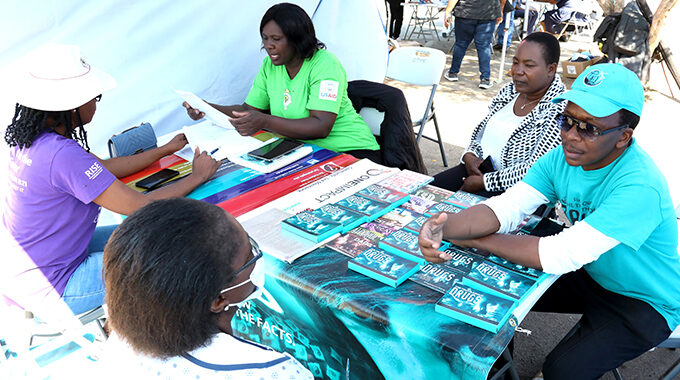
“The theme is caring for the caregiver. We are lucky to have powerful stakeholders UN Aids, OPHID, the Ministry of Health and Child Care, and PEPFAR, assisting us in this exercise,” said Dr Dzvanga.
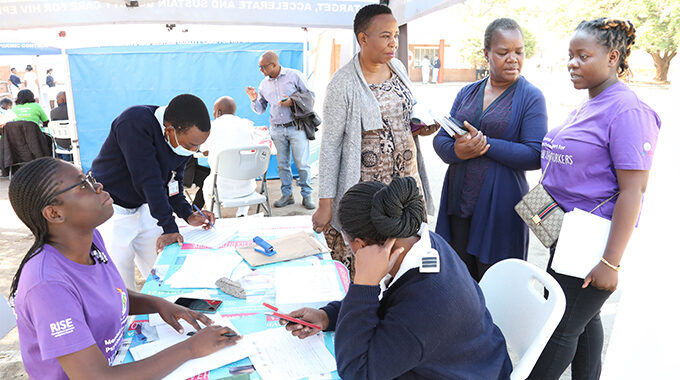
He said the free check-up programme is ending today.
Dr Dzvanga said treating and seeing patients losing lives takes a toll on health workers hence it is critical that they also get special attention.
“Just seeing sick patients day in and day out, seeing patients passing on day in and day out can take a toll on someone who might not be used to that kind of thing.
“We do have a staff clinic but this opportunity is to give them a diverse approach to several problems like eye screening,” said Dr Dzvanga.
“Some of them are suffering quietly, this is an opportunity for them to get advice and open up. Even the issue of drugs and substance abuse, I don’t believe it is just in the community.
“I believe that even among our professionals there are some who are struggling with alcohol issues.” — @nqotshili


 Online Reporter