daniel chigunwe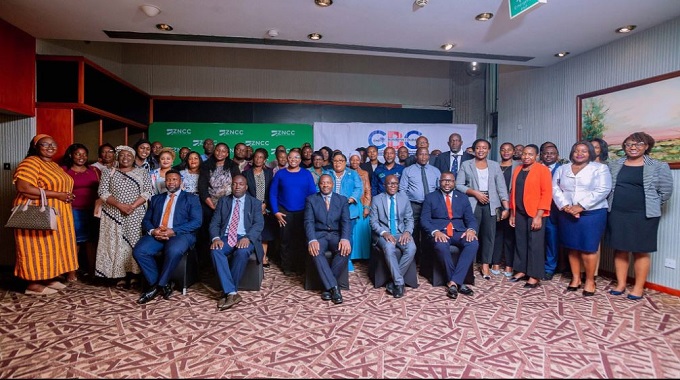
Note from ZNCC
The BizNet Awareness Workshop, held from the 9th to the 11th of September 2024 at Monomotapa Hotel in Harare, stood out as a pivotal event for Zimbabwe’s business sector.
Jointly organised by the Zimbabwe National Chamber of Commerce (ZNCC) and the COMESA Business Council (CBC) with support from the European Union and COMESA, the workshop brought together a wide range of stakeholders, including representatives from MSMEs, large enterprises, government ministries, and international development partners.
The event focused on equipping Zimbabwean businesses, particularly small and medium enterprises (SMEs), with the tools and knowledge necessary to compete in the regional market and enhance their trade capabilities.
The workshop was inaugurated by the ZNCC President, Mr. Tapiwa D. Karoro, who expressed his enthusiasm for the partnership between ZNCC and COMESA. He emphasised that the event marked a significant step in helping local businesses, especially SMEs, to take advantage of the opportunities available in the COMESA region.
As part of an ongoing series of engagements to be hosted across different COMESA member states, the workshop aimed to build capacity and strengthen trade networks for Zimbabwean enterprises, giving them access to regional market intelligence and digital trade tools.
A core aspect of the workshop was the presentation of the BizNet platform, developed by the COMESA Business Council. This digital tool is designed to facilitate regional trade, offering businesses the ability to connect with partners and buyers, access market intelligence, and navigate the often complex trade environments in the COMESA region.
The BizNet platform allows businesses to create profiles showcasing their products and services, access real-time market data, and build connections that can drive growth and regional competitiveness.
For Zimbabwean SMEs, particularly those lacking the resources to access larger markets or participate in regional trade fairs, BizNet represents a much-needed opportunity to expand their reach and visibility.
During the workshop, the submissions by Mr. Nsangwa Ngwira, a COMESA Value Chain Expert, emphasised the critical role that SMEs play in driving regional economies.
Ngwira noted that SMEs contribute at least 70 percent of GDP across the COMESA region, highlighting their immense potential as engines of growth. Despite their importance, however, SMEs face numerous challenges that limit their competitiveness, especially when it comes to accessing new markets.
According to Ngwira, one of the primary barriers SMEs encounter is the issue of non-tariff barriers, including sanitary and phytosanitary standards that restrict their ability to export goods, particularly agricultural products.
Addressing these obstacles, he explained, is essential to unlocking the potential of SMEs and promoting intra-COMESA trade.
Ngwira also highlighted that a significant challenge for SMEs is the lack of access to information.
Without adequate market intelligence, businesses struggle to innovate, add value, and adapt to changing market demands.
He argued that by equipping SMEs with better information and tools, platforms like BizNet can empower them to transit into more competitive, export-ready enterprises.
To further promote SME competitiveness, Ngwira suggested leveraging existing programmes, such as the Africa Trade Observatory (ATO), and aligning with global trends like digitisation.
The world, Ngwira noted, is rapidly shifting toward digital solutions, and it is essential that Zimbabwean businesses stay in step with these changes to remain competitive.
Throughout the workshop, several themes emerged, one of which was the growing importance of digital trade and market connectivity. As businesses increasingly turn to digital platforms to connect with buyers and suppliers, access real-time market data, and streamline their operations, Zimbabwean enterprises must adapt to these trends if they are to remain competitive in the regional market.
The BizNet platform is well-positioned to help businesses achieve this goal by offering them a user-friendly interface that provides access to the latest market intelligence, while also connecting them with key players in the regional value chain.
For SMEs, the BizNet platform offers several advantages, particularly in terms of improving market access and visibility.
By allowing businesses to create detailed profiles that showcase their products and services to a regional audience, BizNet helps SMEs overcome some of the challenges associated with entering new markets. In addition to its market intelligence capabilities, the platform also provides businesses with the ability to connect directly with buyers and suppliers across 34 sectors within the COMESA region.
This feature is particularly valuable for SMEs that lack the resources to engage in traditional marketing campaigns or participate in large trade exhibitions.
Through BizNet, these enterprises can tap into new opportunities for growth and build relationships that will drive long-term success.
In his remarks, Mr. Karoro underscored the importance of supporting MSMEs and women-led businesses in particular, noting that these enterprises often face significant barriers to growth and market access.
Despite their size, MSMEs play a vital role in Zimbabwe’s economy, contributing to job creation, innovation, and industrial development.
However, Karoro emphasised that these businesses must be equipped with the tools and resources necessary to compete on a larger scale.
The BizNet platform, he explained, is one such tool that can help MSMEs overcome the barriers to regional trade and position themselves for success in the COMESA market.
A key aspect of the workshop was its focus on sustainability and climate-smart business practices. In line with the ZNCC’s theme for 2024, Unlocking New Frontiers for Sustainable Industrialisation and Climate-Smart Business Growth, participants were encouraged to think about how they could integrate sustainability into their business models.
Karoro pointed out that in today’s rapidly changing global market, the pursuit of business success must be balanced with responsible environmental stewardship.
This includes adopting green technologies, reducing carbon footprints, and promoting sustainable business practices that contribute to long-term growth.
In addition to promoting sustainable industrialisation, the workshop also underscored the need for strong public-private partnerships in driving Zimbabwe’s economic transformation. Several Government representatives attended the workshop, including officials from the Ministry of Industry and Commerce and the Ministry of Women Affairs, Community, and SMEs Development.
Their participation highlighted the Government’s commitment to creating an enabling environment for trade and investment, while also supporting private sector development.
By working together with the private sector, the Government can help address some of the challenges faced by businesses, particularly in terms of accessing new markets and navigating regulatory hurdles.
As the workshop drew to a close, there was a palpable sense of optimism about the future of Zimbabwean businesses.
The BizNet platform offers a new pathway for SMEs and women-led enterprises to expand their operations, tap into regional opportunities, and compete on a larger scale.
With support from the ZNCC, COMESA, and other key stakeholders, Zimbabwean enterprises are now better equipped to take advantage of the growing opportunities within the COMESA region.
For Ngwira and other workshop participants, the event marked the beginning of a broader effort to promote regional trade, improve SME competitiveness, and foster innovation.
The BizNet platform, in particular, represents a powerful tool for achieving these goals, helping businesses to connect, collaborate, and compete in the regional and international marketplace.
In conclusion, the BizNet Awareness Workshop demonstrated that Zimbabwe is well on its way to becoming a key player in the COMESA region. By embracing digital tools, fostering innovation, and promoting sustainability, Zimbabwean enterprises can position themselves for long-term success in the increasingly interconnected global economy.
The workshop was a resounding success, paving the way for future engagements and further strengthening Zimbabwe’s position in regional trade.



 Online Reporter