Online Reporter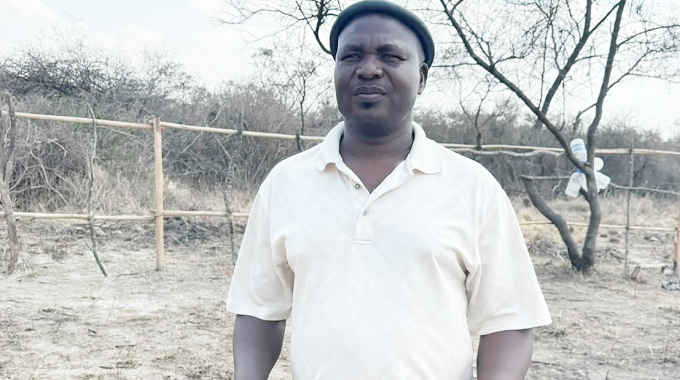
Langalakhe Mabena, Sunday Life Reporter
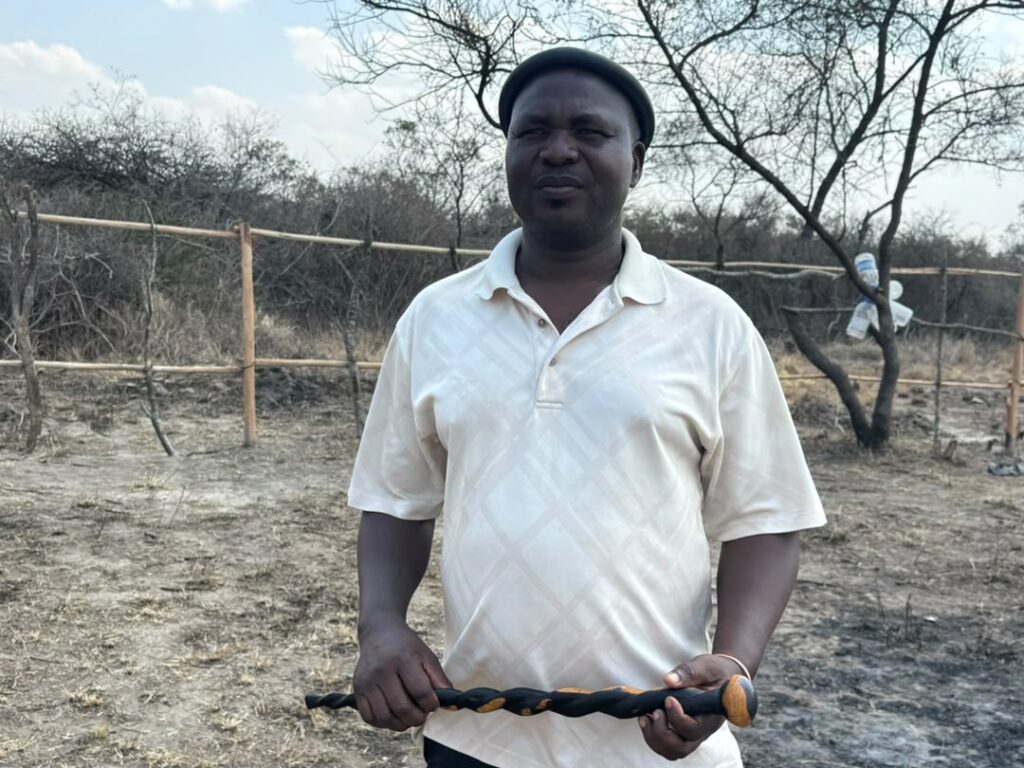
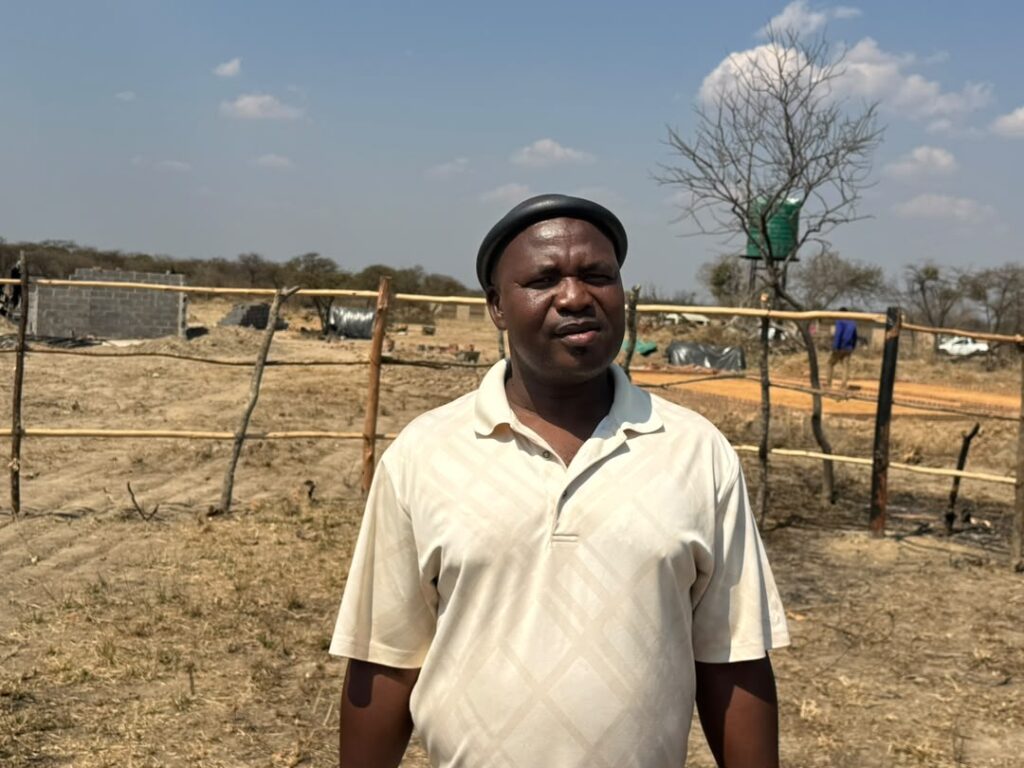
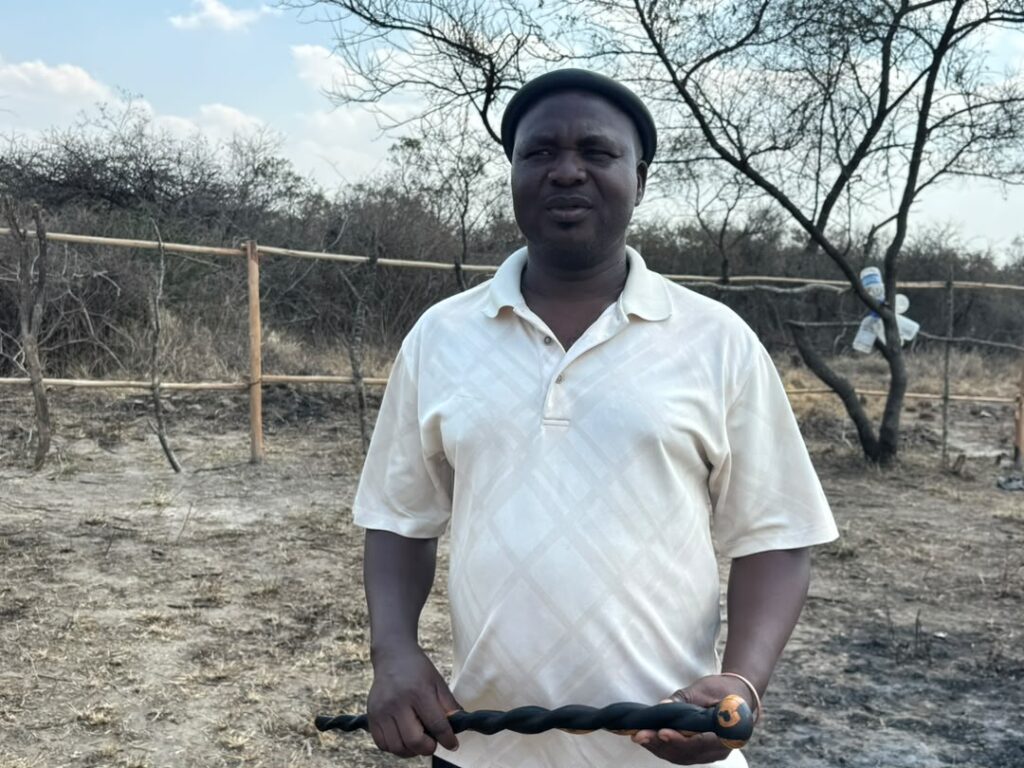
THE Mthwakazi kaMzilikazi Cultural Association (MMCA), which organises the annual King Mzilikazi Commemorations, has constructed a cattle kraal at eMhlahlandlela in Matobo, one of the former homesteads (isigodlo) of King Mzilikazi.
The initiative is part of efforts to preserve Ndebele heritage while giving the historic site a practical agricultural component that can contribute to the sustainability of future King Mzilikazi Day commemorations.
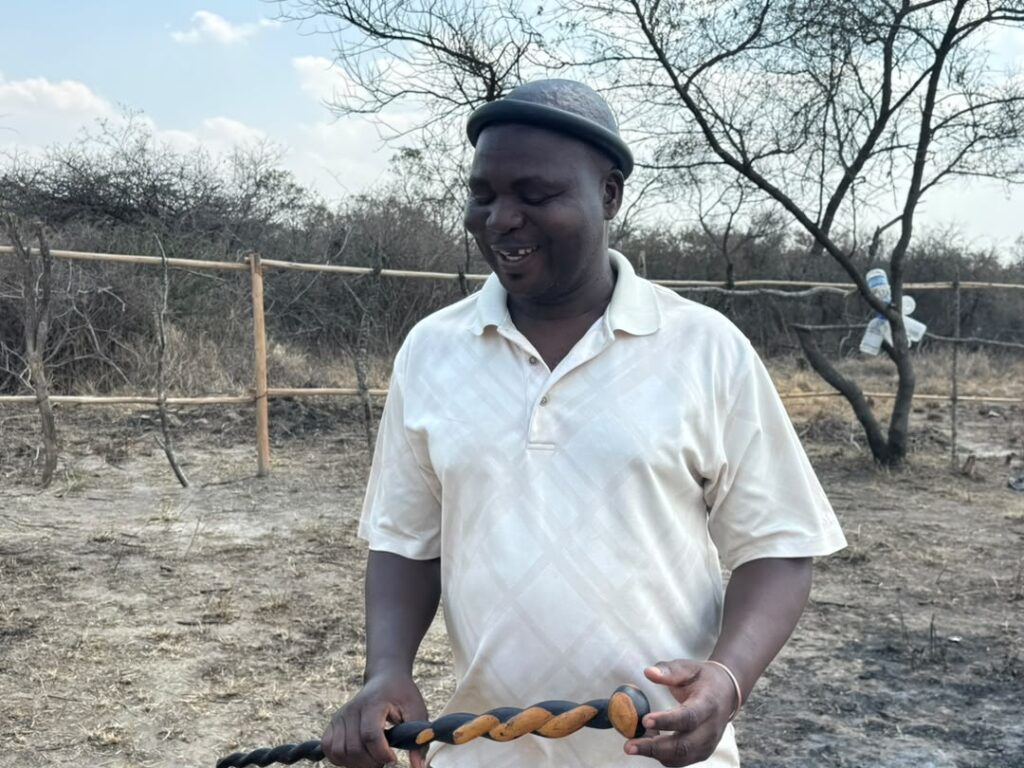
MMCA secretary-general Dingani Likhwa Tshabangu said the kraal was established to revive the important role cattle played in the lives of Ndebele families.
He said the cattle kraal was more than just a livestock enclosure in a traditional Ndebele homestead, as it was a symbol of wealth, a source of food and economic security, and an important centre of family and cultural life.
“In any Ndebele homestead, the cattle kraal was not simply a place where cattle were kept. It was at the centre of the family’s economic and social life. Cattle were a source of milk and meat, they provided hides and they were also a form of wealth that could be passed from one generation to another,” said Tshabangu.
He said cattle also played an important role in traditional ceremonies and family responsibilities, including lobola, while livestock was also used to support families during difficult times.
“Cattle gave a family security. If you had cattle, you had an asset that could sustain the family through food and could also be exchanged when there was a serious need. Cattle were used for important occasions and ceremonies, and their numbers were also a reflection of the wealth of a household,” he said.
Tshabangu said historical accounts of Ndebele society showed that cattle kraals occupied an important position within homesteads and had economic, political, cultural and spiritual significance. The royal kraal, in particular, represented the extent of the king’s wealth in cattle.
He said the association was inspired by these significant roles cattle played in Ndebele society to establish the kraal and bring part of that tradition back to eMhlahlandlela while adapting it to present-day needs.
“We want this kraal to become a living representation of how our forefathers lived and how cattle supported their families. We are not putting up a kraal simply for display. We want to breed cattle, herd them and use the project to promote food sustainability at eMhlahlandlela,” he said.
Tshabangu said the cattle project would also form part of preparations for future King Mzilikazi Day commemorations and help reconnect younger generations with the agricultural practices that sustained Ndebele communities.
“Our vision is that when people come to eMhlahlandlela for the commemorations, they should not only come to listen to speeches and watch cultural performances. They should also see a functioning traditional homestead where cattle are being kept and agriculture is taking place.
“We want our young people to understand that cattle keeping was part of our way of life. It taught responsibility, provided food and created wealth. By practising cattle breeding and herding here, we are preserving that knowledge while also making it relevant to the present and future generations,” he said.
Meanwhile, the project has received support from the Minister of State for Provincial Affairs and Devolution for Matabeleland South, Honourable Albert Nguluvhe, who drilled a borehole at eMhlahlandlela to support the cattle project and other agricultural activities.
Tshabangu expressed gratitude to the minister, saying access to water was critical to the success of the project.
“We sincerely thank Honourable Nguluvhe for the borehole he has provided at eMhlahlandlela.
Water is the foundation of any agricultural project, and this borehole will go a long way in supporting our cattle, gardening and other agricultural activities,” he said.
“This is more than just a borehole. It is an investment in the sustainability of this heritage site. With water available, we can keep livestock, grow crops and ensure that eMhlahlandlela becomes productive throughout the year. We are grateful for the support and we hope this will encourage more partners to come on board,” said Tshabangu.
He said the long-term objective was to turn eMhlahlandlela into a place where heritage preservation and economic activity complement each other.
“The legacy of King Mzilikazi must not only live in our memories. It must also be reflected in what we do. We want eMhlahlandlela to be a place where culture, agriculture, education and heritage come together,” he said.