admin
admin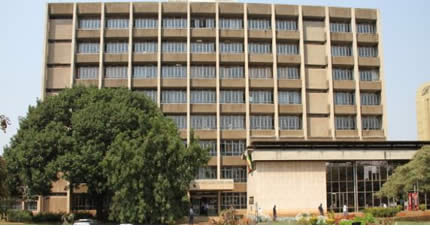
civic centre in the area surrounding Rowan Martin Building.
He said local and international investors want to invest around the civic centre which would eventually house Town House and all council departmental offices.
Presently residents have to drive from one office to the other when they want to have their documents signed and approved by various heads of departments.
Harare is expanding its CBD to include several suburbs among them Ridgeview, Eastlea, Belvedere, Milton Park, Hillside, Braeside and Arcadia in response to the high demand for office and commercial space. Property values in these areas and those on their periphery are expected to appreciate phenomenally in response to the new land use.
Businesses have been moving from the existing CBD because of frustration caused by congestion, limited and expensive parking space.
Some have been setting up offices in the residential estates because of the privacy that comes from operating in a secluded and gated area.
“The CBD needs to be titivated and expanded in sync with the burgeoning population which is now estimated at three million,” he said.
He said a number of local and international investors were waiting to invest after the forthcoming harmonised elections.
“As far as the proposed developments in and around the Civic Centre are concerned, there is a plethora of local and international investors waiting in the wings.
“All that we need to do is to sort out the political impasse and Zimbabwe’s beleaguered economy will simply take off,” he said.
He said he was “bullish about the future of Harare and Zimbabwe”.
Mr Masunda expressed hope that the new constitutional and political dispensation would usher in socio economic policies “which are more certain, much clearer, more consistent, predictable and sustainable”.
Prominent buildings that already exist in that area include Rowan Martin Building, Zanu-PF Headquarters, Harare City Library, Rainbow Towers, Harare City Library, Interpol Building, The Zimbabwe College of Music, The Magistrates Courts, Harare Exhibition Park and the City Sports Centre.
New developments earmarked for the civic centre include theatre space, shops and restaurants.
Some residents of satellite towns of Chitungwiza, Ruwa, Epworth, Glendale and Norton work in Harare implying that in addition to the city’s own residents – Harare caters for the surrounding urban centres and rural areas.
Urban planner Mr Percy Toriro said the expansion was in response to the needs of the people who have seen it fit to operate outside the existing space.
“It is a logical and natural reaction to the growth of the commercial and office needs of Harare residents. The boundaries of the existing CBD as set out in Local Development Plan number 22 are more than twenty years old. The needs of the people of Harare have grown and changed significantly,” he said.


 Online Reporter