Online Reporter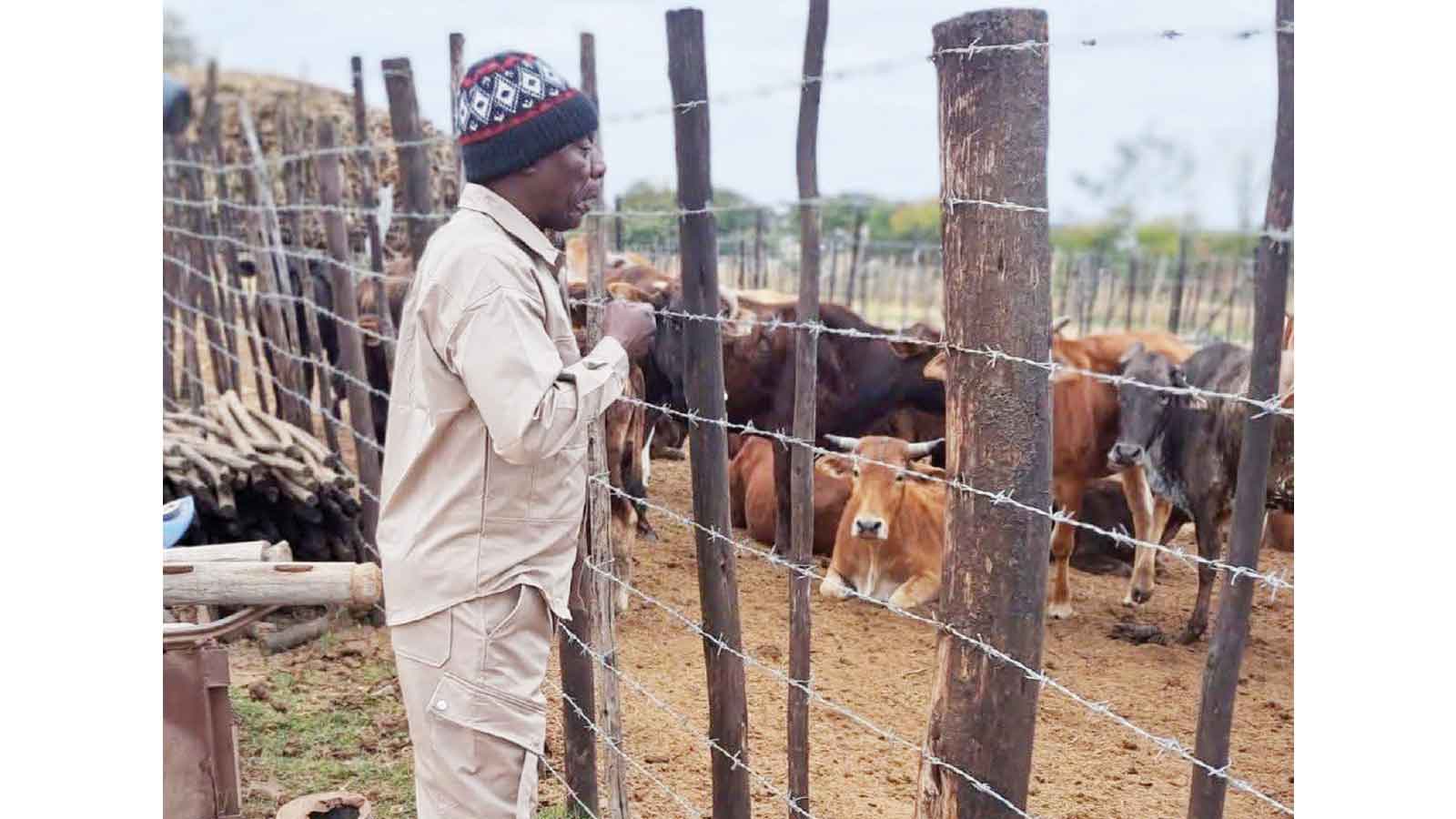
Trust Khosa
Lifestyle Senior Writer
Zimbabwe has long been defined by innovation, resilience and a willingness to embrace new opportunities.
From academic excellence and scientific research to sporting achievements and business leadership, Zimbabweans have consistently distinguished themselves on the global stage.
Agriculture, however, remains one of the country’s greatest success stories, evolving from a traditional livelihood into a symbol of entrepreneurship and self-reliance.
Following Independence, Zimbabwe earned the reputation of being the “breadbasket of Africa”, with commercial agriculture driving food production and exports across the region.
At the time, commercial farming was largely dominated by a few large-scale farmers, while many indigenous Zimbabweans had little hope of owning productive land.
Farming was also unfairly viewed by some as an occupation for the less privileged, despite its immense economic potential.
The Land Reform Programme transformed that landscape by opening opportunities for thousands of Zimbabweans to own and utilise land productively. Since then, agriculture has become more inclusive, with ordinary citizens embracing farming as both a livelihood and an investment.
Today, that same spirit has taken on a fresh dimension.
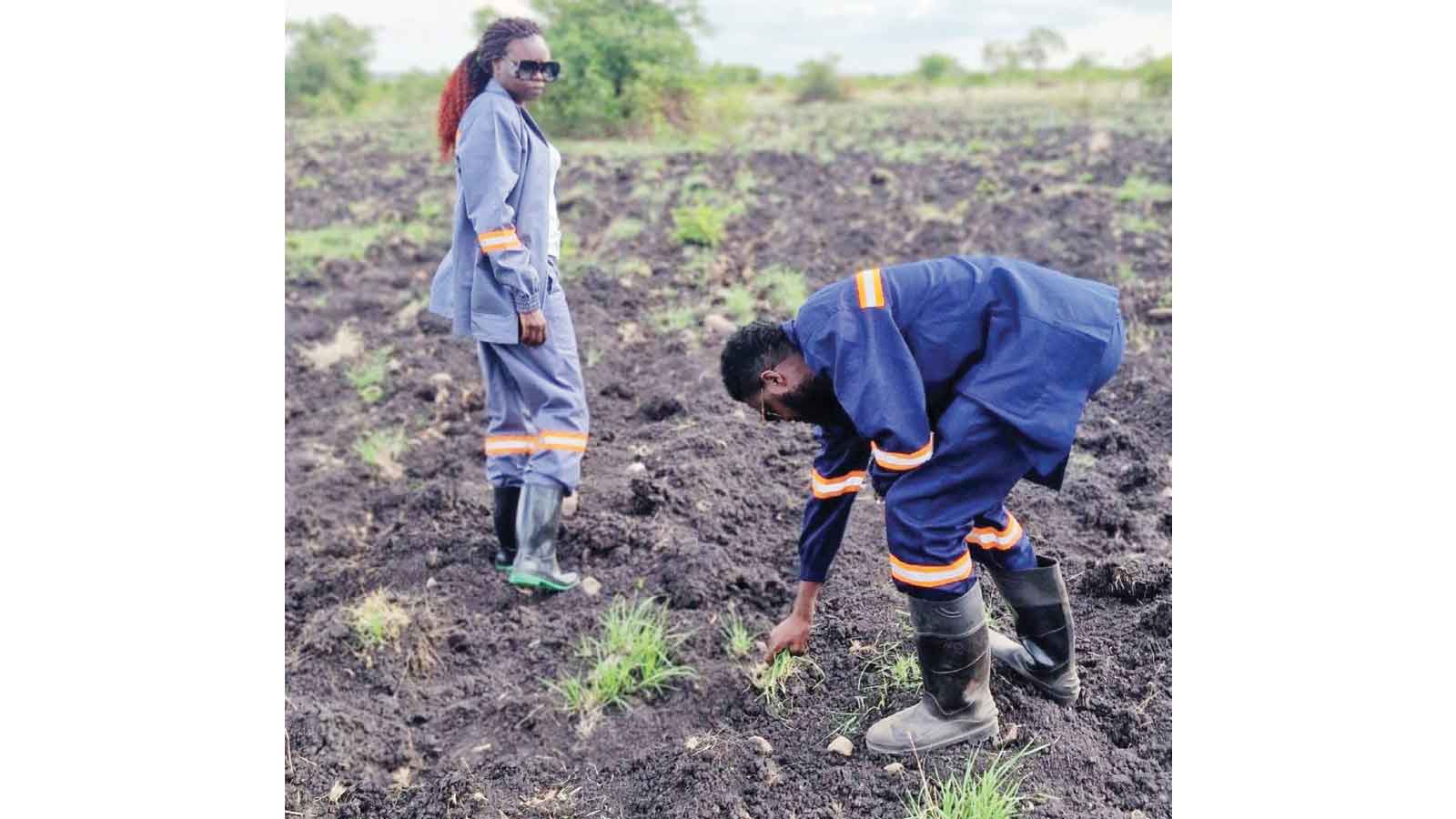
Zimbabweans, both at home and in the diaspora, continue to invest in agriculture, but what makes the current trend particularly remarkable is the growing number of celebrities, influencers and public figures who have embraced farming as a way of life.
“At least grow something” has become a popular slogan across social media platforms, encouraging people to make productive use of every available piece of land. Whether it is a backyard vegetable garden, a poultry project or a goat pen, the message is clear: agriculture begins wherever there is space.
The Covid-19 pandemic accelerated this shift. As the entertainment industry slowed and many artists and influencers lost their primary sources of income, countless creatives turned to agriculture.
What initially started as a survival strategy soon became a thriving passion and, for many, a profitable business.
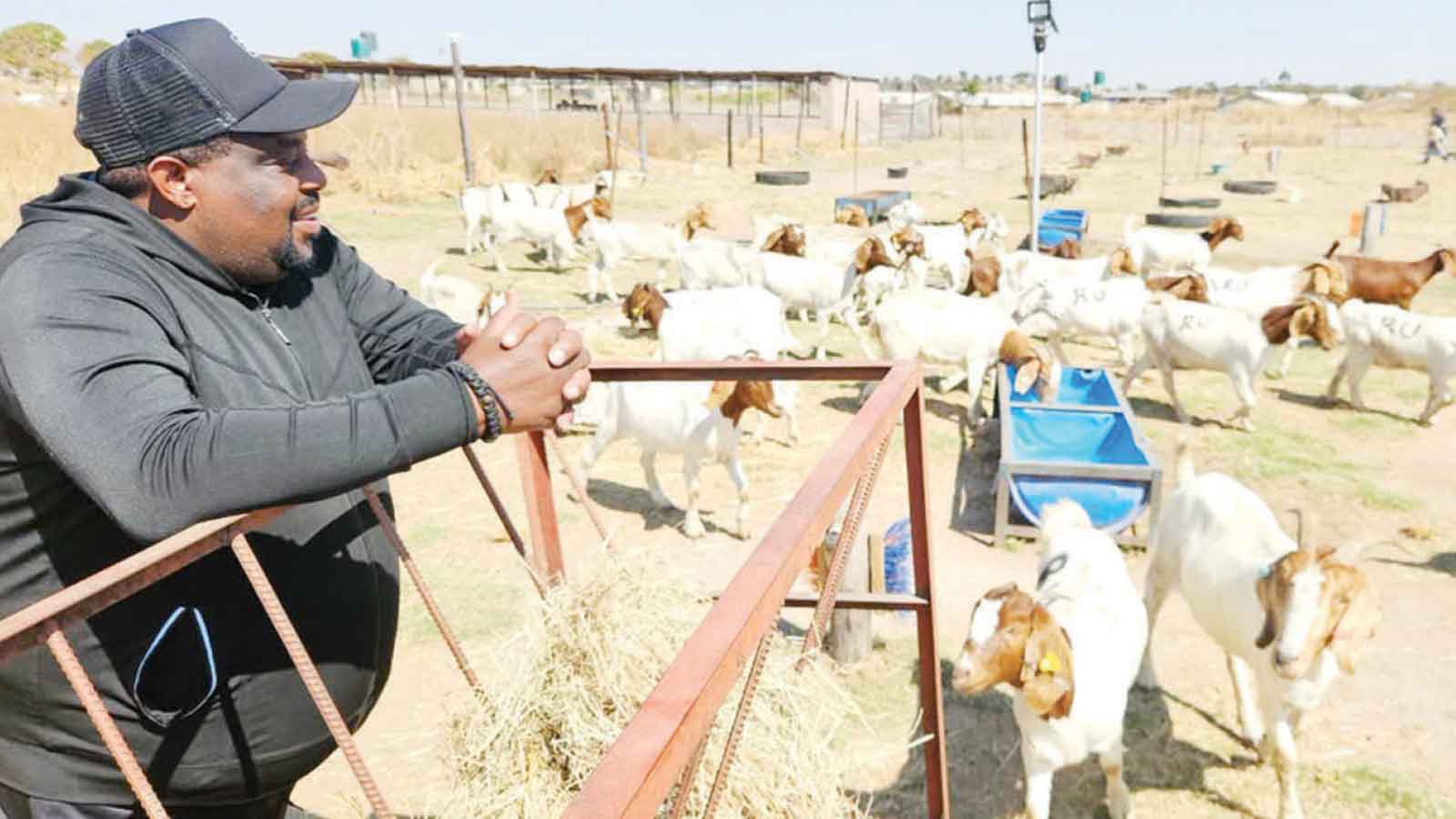
Today, several celebrities have discovered hidden talents in poultry production, goat farming, horticulture and crop cultivation.
They now appreciate the value of every square metre of land, while Zimbabweans living abroad are also investing in agricultural projects back home or making productive use of land where they reside.
Unlike in the past, public figures no longer shy away from showcasing their farming activities. Social media is now awash with videos and photographs of musicians, actors, influencers and entrepreneurs tending crops, feeding livestock and harvesting produce.
Some have even built successful businesses by marketing their farm produce online, helping to change outdated perceptions that farming is a low-status occupation.
This post-pandemic movement has grown beyond a passing trend.
It reflects a broader appreciation of agriculture as a sustainable source of income, wealth creation and food security.
It also demonstrates that true influence extends beyond the spotlight to inspiring communities through productive and meaningful ventures.
The Herald on Saturday Lifestyle has closely followed this transformation over the years, highlighting the growing number of entertainers and influencers who have ventured into agriculture.
The trend was championed long before social media made it fashionable.
The late Simon Chimbetu was a successful tobacco farmer, and his farm in Chegutu continues to be productively managed by his family, preserving the legacy he established. Likewise, the late Robbie Chumuka made significant strides in farming in Mvurwi, while music icon Oliver “Tuku” Mtukudzi successfully balanced an internationally celebrated music career with a thriving agricultural enterprise.
Living legend and father figure Alick Macheso, who was raised on a farm in Shamva, has never lost his passion for agriculture.
The veteran musician runs a thriving plot in Chivhu, where he breeds cattle and grows maize. Despite his demanding performance schedule, Macheso says farming remains an integral part of his life.
“When I am not performing, I am either in Shamva with my mother or at my plot in Chivhu,” he said.
“I grew up on a farm where I learned the trade from the white farmer who looked after us.
“I thoroughly enjoy farming because it is not only my fallback plan but also my calling.
“I have mastered it, and I see great value in farming.”
Macheso said it was unfortunate that some people continue to look down on black farmers, despite the immense opportunities the sector offers.
“There is real value in farming, and for some of us it has become a lifestyle that we cherish.
“In my case, farming has not only given me extra income, but it also gives me a sense of fulfilment whenever I see my cattle grazing.
“I see wealth every time I look at my herd. That is something that makes me truly proud.”
Similar sentiments were echoed by First Farai, who has also embraced farming as a source of income.
The Hurudza Express Band leader has been trending over the past week after sharing pictures and videos showcasing his horticulture project along Mahusekwa Road.
“The thing with me is that I am never afraid to try new things, which is why you see me going the extra mile to supplement my income through farming,” he said.
“We are running a family project in Glendale where we specialise in both winter and summer cropping, and it has empowered us as a family.
“I have also started a new horticulture project along Mahusekwa Road, and we continue exploring new opportunities.”
Farai said he is proud of his side hustle and believes diversification is the key to financial security.
“I am proud of what I am doing, and it has made me a responsible father.
“In life, successful people do not put all their eggs in one basket. They diversify into other ventures such as mining, farming and fishing. These side businesses have transformed the lives of many celebrities.”
Rasta Kwasa musician Dino Mudondo also revealed that poultry farming has become an important part of his life and has made him a role model within his community.
“I spend most of my time at my farm in Beatrice, where I specialise in horticulture and poultry production.
“I realised that I needed to complement my earnings from music, and farming has been working well for me.
“In life, you should never be ashamed of honest work. It has worked for me, and I will continue doing my best to ensure that I take good care of my family,” said the Rasta Kwasa Family frontman.
Since the Covid-19 pandemic, an increasing number of Zimbabwean celebrities have ventured into various forms of farming as a way of supplementing their incomes.
Celebrity couple Selmor Mtukudzi and Tendai Manatsa have, on numerous occasions, shared pictures of themselves tilling the land and tending their crops.
Although theirs is not commercial-scale farming, their passion for agriculture is evident as they make productive use of the limited space available to them.
Their fans have even encouraged them to expand their farming activities by acquiring more land, believing they have the dedication and determination to succeed on a larger scale.
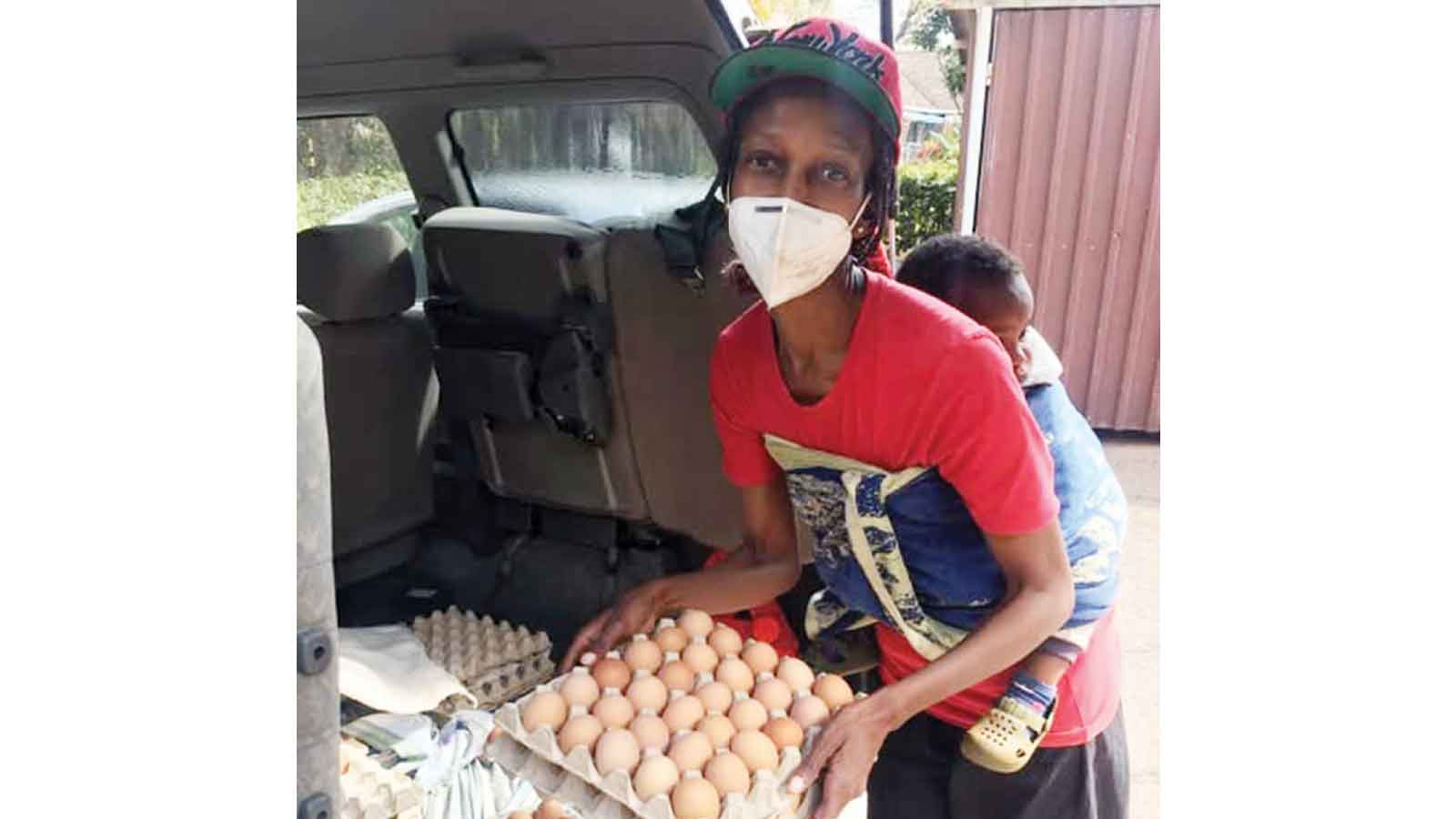
Some celebrities have even made headlines for selling farm produce directly from their car boots.
One such example is actress Tinopona Katsande, who attracted widespread attention after selling eggs from the boot of her car.
While the former Studio 263 star was mocked by some social media users, she also received overwhelming support from many Zimbabweans, who placed orders and applauded her entrepreneurial spirit.
Katsande ultimately silenced her critics by continuing with her hustle, proving that there is dignity in honest work and that farming can be both a sustainable business and a source of pride.
Their stories serve as a reminder that success in the arts and success in agriculture are not mutually exclusive.
Instead, they complement one another. If some of Zimbabwe’s greatest cultural icons found fulfilment and prosperity through farming, there is every reason for today’s generation of celebrities, influencers and ordinary citizens to follow suit.
In Zimbabwe, farming is no longer merely a profession – it is increasingly becoming a lifestyle, an investment and a notable legacy.