Kudzanai Sharara in Cape Town, South Africa
Africa needs unified regional energy market intelligence to prevent uncoordinated solar build-out from tipping the continent into power surplus and leaving billions of dollars in stranded assets, delegates at the CEO Africa Annual Roundtable have heard.
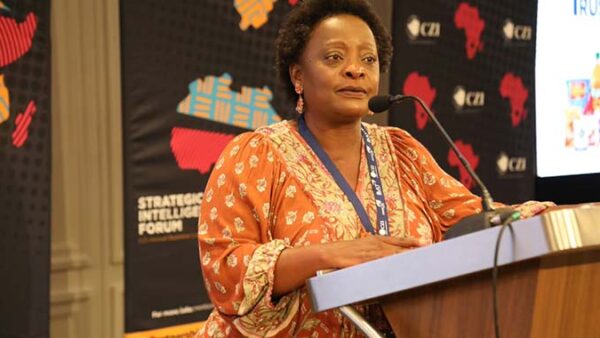
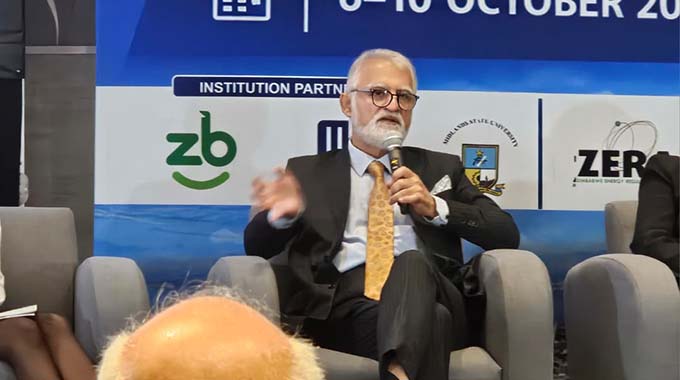
The challenge was put to Eunice Kamwendo, Director of the UNECA Sub-Regional Office for Southern Africa, by Dr Farzam Kamalabadi, Chairman of Future Trends Group, during the session “Smart Economies: Renewable Energy, Carbon Markets, and Sustainability”. Ms Kamwendo agreed with the concern and undertook to take it forward within her organisation.
Dr Kamalabadi warned that multiple countries are racing to develop large solar installations on the assumption that they will export surplus power to their neighbours, without coordinating their plans.
“I see the different countries competing to bring on board large solar projects, and all are hoping to export to the neighbours,” he said.
He said the assumptions were mutually contradictory and would end in waste. “If Botswana wants to export to Zambia, well, Zambia is moving fast and it is going to export to Botswana, and all of them think that they will export to the others. And there are seven or eight countries. We will soon have surplus, and it is not efficient, and most probably there will be a lot of assets on their hands that will be wasted.”
He called for a unified study of the regional market to guide investment decisions, particularly for the largest projects.
“Is there a unified, universal market study that guides the different countries — especially the countries that take 500 megawatts, 700 megawatts plants, and sometimes more, I mean 1.8 gigawatts, or five gigawatts, or eight gigawatts — and all of them are raising, and then soon there will be surplus?” he asked.
Dr Kamalabadi said the risk was heightened by the scarcity of investment capital. “This is limited money of investment, and yet all go and race with each other,” he said.
He added that the problem was not confined to Southern Africa, drawing a parallel with large economies where subnational regions compete without consultation.
“Not only in Southern Africa — even one country like China or India. Each province is competing and they go faster and they don’t coordinate or consult with the other side, and they assume that they can export their energy to others,” he said.
Responding, Ms Kamwendo said she agreed entirely on the need for market intelligence and said she would pursue the matter.
“I couldn’t agree with you more on that — market intelligence,” she said.
She said the concern was well founded. “I will certainly take this forward in terms of the market intelligence, because this is important and critical on a larger scale — because indeed countries are going big on solar and the rest, and we might run into another problem years from now,” she said.
Ms Kamwendo then identified grid absorption as an equally pressing challenge, saying that even where capacity has been installed, countries are frequently unable to bring it onto the grid.
“We’re investing, yes, we have load capacity. But are we able to bring that capacity back into the grid? In most cases, not,” she said.
She illustrated the point with an example from a small system, which she said generates 88 units but uses only 32, leaving about 50 lying idle and going to waste because it cannot be put back on the grid.
“That’s another good problem and a good challenge that we have. But I think we need to begin to do that more,” she said.
The session was chaired by Dr Dahlia Garwe, Corporate and Industry Affairs Head at Hippo Valley Estates, and formed part of the CEO Africa Annual Roundtable, which runs from 6 to 10 October under the theme “The Future of Africa: Innovate, Trade and Grow”.