Chronicle Editor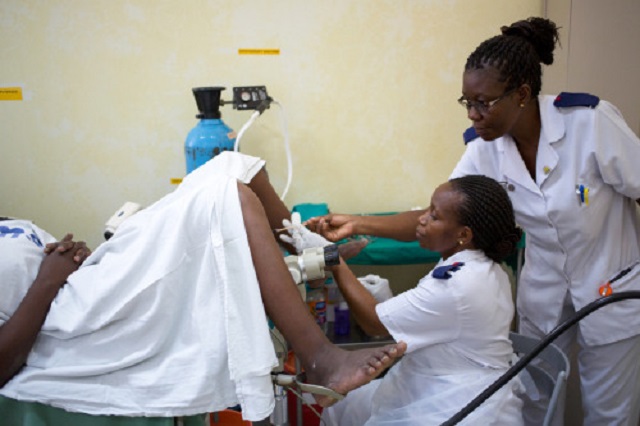
Mthabisi Tshuma, Gwanda Correspondent
GOVERNMENT has launched a cervical cancer screening training programme for health workers in Matabeleland South following a sharp increase in deaths due to that condition.
Cervical cancer is known as the second most common cancer in women worldwide and it affects mostly young women. About 25 percent of deaths related to cancer in Zimbabwe are from cervical cancer.
More than 110 000 women screened for cervical cancer last year and at least 77 percent of those who tested positive accessed treatment.
Causes of cervical cancer range from air pollution, obesity, genetic disorders, lack of physical activity, alcohol, alcohol use, unhealthy diet without vegetable or fruit intake, sexually transmitted human papilloma virus, ultra-violet radiation and the use of tobacco and cigarettes.
Screening programmes for cervical cancer have since been decentralised to district levels, hence the need to equip health workers with requisite skills to conduct screening.
Through the Visual Inspection with Acetic Acid and Cervicography (VIAC) training programme held at Gwanda Provincial Hospital last week, health workers drawn from around the province were equipped with adequate information and deeper knowledge about cervical cancer and provide the communities with the critical service of cancer screening.
The cervical cancer screening training programme is an attempt to bring services closer to people in rural clinics and provincial hospitals within the province.
Previously, people had to travel to Bulawayo to undergo cervical cancer screening.
Speaking at the launch of the training programme, Matabeleland South Minister of State for Provincial Affairs and Devolution, Abednico Ncube said:
“It is pleasing to note that as a province we are also proactive in transferring the requisite skills to our health workers to ensure that this critical service of cancer screening is provided to our communities and this will indeed bring service closer to the people.
“I would like to thank health workers for the sterling job you have done especially during these trying times where we are battling with the Covid-19 and Government is aware of the myriad challenges that you face as the health sector.”
He said Government will continue to uplift the standards of the health workers.
Dr William Busumani from United Bulawayo Hospital (UBH) said women should take up the screening initiative.
“We screen from age 25 to 65 years, that is the national guideline but if someone is sexually active as a teenager then she can be screened for cervical cancer,” said Dr Busumani. — @mthabisi_mthire



 Online Reporter