

 admin
admin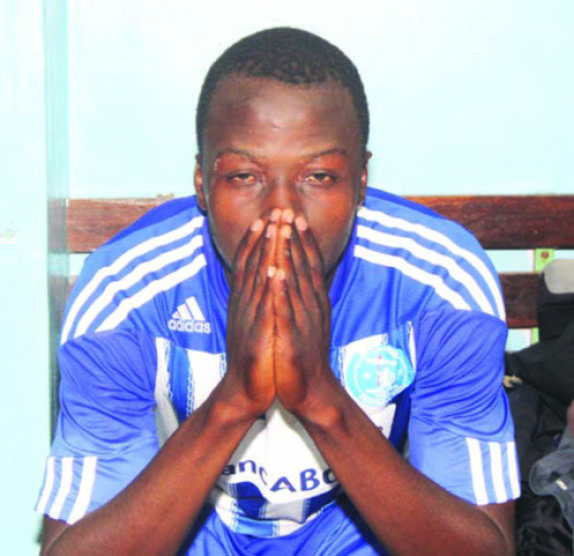

Sikhumbuzo Moyo Senior Sports Reporter
DYNAMOS and national team midfielder Devon Chafa has not been banned or suspended from playing football and can continue playing until the finalisation of his doping case, a Fifa accredited medical practitioner has said.
Chafa allegedly failed a doping test which was conducted during the World Cup qualifier between Zimbabwe and Egypt on 9 June and there has been fears that his case could just be a tip of the iceberg with some sections suggesting that he be banned.
However, chairman of the Zimbabwe Sports Medicine Committee Edward Chagonda, who is also the Fifa anti-doping official in the country said Chafa was still free to play for both club and country until the case is done with.
“That case is still under investigation and it will be prejudicial to say certain things that is why we have been quiet all along despite the fact that we knew about it.
“There are issues of confidentiality involved here but what I can say is that he remains available to play until finalisation of the case.
“Remember we still have sample B and until then, the player can continue playing,” said Chagonda.
He said it was not automatic that a player found guilty should be immediately suspended because the whole issue was circumstantial.
“You need to find out why he took the drug, was it willfully or not and is he still taking it. So as you can see it’s not a given thing that one should be immediately suspended,” said Chagonda during a telephone interview from Harare yesterday.
If however Chafa is indeed found guilty then he faces a two-year suspension, according to standing Fifa statutes.
Meanwhile, Zimbabwe has not yet introduced doping tests in the local league due to the high inhibiting costs of conducting such an exercise.
Observers have been convinced that a majority number of soccer players in the country indulge in drug and substance abuse and there was therefore a need for regular tests.
Chagonda said while it was their wish and the right thing to do, high costs involved were hindering that process but was hopeful that next year all will be in order.
“We are not doing those tests as a country due to the costs involved. It costs about $1 000 to carry out a single test and by our standards that is rather too high but hopefully we will be able to do that as from next year as we are busy looking for sponsorship,” said Chagonda.
He said as a step towards being in line with the requirements, a National Anti Doping Organisation (Nado) was formed with two main objectives, to teach or educate about the right things in terms of the doping issue as well as to carry out tests.
“We are already doing the first one. Before the start of the Premier Soccer League we had a meeting with all the clubs where we educated them on the right things to do and their team doctors or medics were also taught how to handle such issues but as I said earlier on, we are yet to carry out the second mandate,” said Chagonda.


 Online Reporter
 derick.khumalo