Chronicle Editor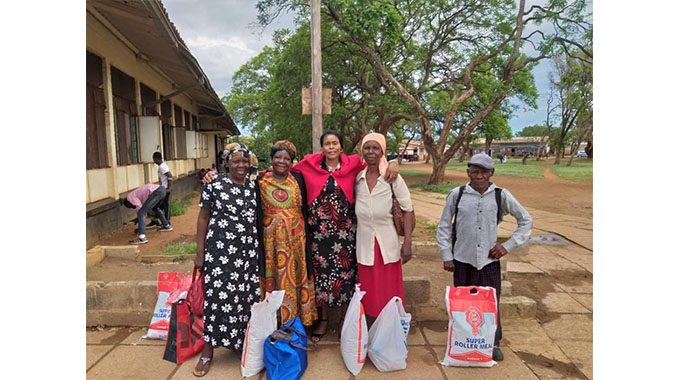
Thandeka Moyo-Ndlovu, [email protected]
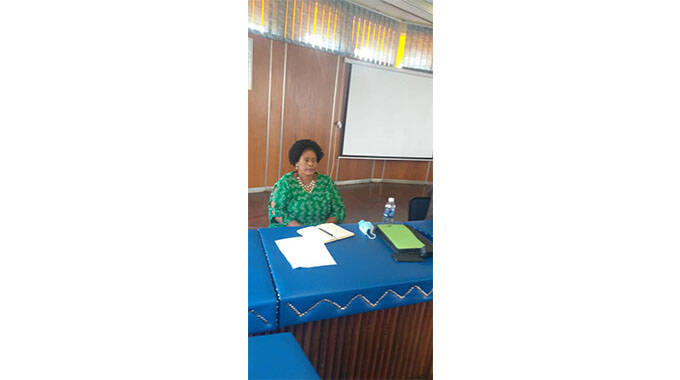
FOR the past five years Ms Nyasha Benza worked flat out to bring development to Ward 11 in Redcliff Kwekwe where she is a councillor, smashing stereotypes that politics is a reserve for men.
The 59-year-old braved the insults and the challenges that come with participating in politics, setting an example for other women who are still enslaved by fears that they cannot thrive in the political realm.
Women’s Political Participation in Zimbabwe has become a core development issue at both the national and local levels according to Gender, a non-governmental organization.
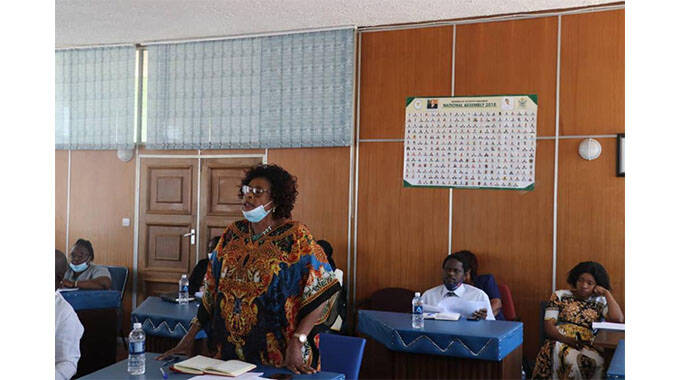
At the local level, in Zimbabwe, there has been a steady decline in women’s participation in politics with every election since 2008 when the representation of women was 19 percent.
This declined to 16 percent in 2013 and female councillors presently make up 14 percent of councillors, after the 2018 election.
Sharing her resilience story that saw her being elected councillor in 2018, Cllr Benza said: “There are still a million things to be done to make the political environment accommodative for women.”
“Although I didn’t have resources, I have managed to have impassable roads rehabilitated, streetlights installed, boreholes for water for the community, clinic
for the well-being of my residents and also schools and creches.
“It took a lot but I can safely say I am very visible in my ward, assisting bereaved families with food, and buying graves for the deceased. I work with inclusivity in my ward hence women, the youth, the elderly, and persons with disabilities have benefited from the programmes that have been implemented to develop the ward,” said Cllr Benza.
However, she said many female politicians were under-resourced in Zimbabwe and the development made them appear ineffectual in office.
A majority of sponsors preferred to work with male politicians.
“Political terrain for women is not level in a male-dominated environment and the truth is despite laws and policies we are still classified as second citizens.
“We are regarded as inferior in our society and also, we are labeled harlots or whores when we declare our interests to stand up to contest.
“As a result, some women lose confidence and look down upon themselves as useless citizens,” said the councilor.
She said resource challenges also affect campaigns as women are often at a disadvantage.
Cllr Benza said women do not have the means to move from one place to another during campaigns.
“As a prospective councillor for this year’s election (2023) I am doing door-to-door visits to my ward residents and distributing fliers and posters at strategic points,” she said.
Cllr Benza called on political parties to assist women with resources to fund campaigns including regalia, fuel, and food.
“As a female councillor and a future member of parliament, I have lobbied and advocated for a gender equality policy in the council. All our council policies are women-friendly, and gender-sensitive and incorporate issues that would be easily forgotten had it not been for female leaders. In our programmes, we promote health-seeking behaviour, and drug awareness projects and lobby for affordable health services. I think given more time and more resources I will able to take my ward to a whole new level in terms of development.”
Zimbabwe, a deeply conservative country, has always recorded a lower percentage of women participating as candidates in elections since independence in 1980 compared to men, despite constituting more than half of the electorate and of the total 15 million people in the country.
According to UN Women, two main obstacles prevent women from participating fully in political life.
These are structural barriers, where discriminatory laws and institutions still limit women’s ability to run for office, and capacity gaps, which occur when women are less likely than men to have the education, contacts, and resources needed to become effective leaders.
Systematic gender bias against female leadership, entrenched in socio-cultural and religious values that strongly assert that a woman’s position is in the kitchen still persists in Africa.


 Online Reporter