Online Reporter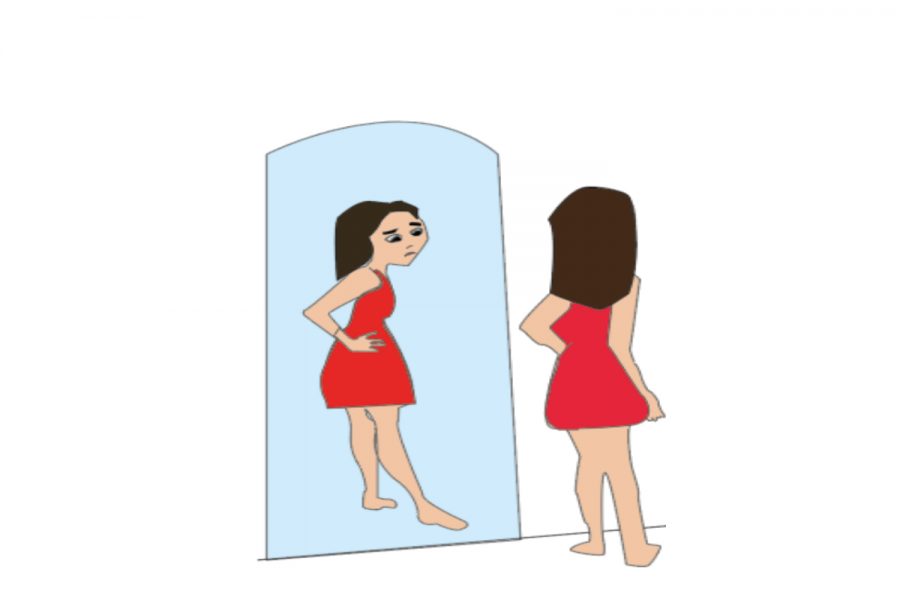
Disability Issues
Dr Christine Peta
THIS article examines how bodily appearance, particularly in cases of visible disabilities, is a primary driver of social exclusion.
Bodies perceived as deviating from the “norm” are often discriminated against.
These bodies are frequently described using derogatory terms such as abnormal, ugly, distorted, fat, outrageous, perplexing, disproportionate or marked by blemishes or birthmarks.
In many African contexts, when a child is born with disabilities, families often seek diagnoses and treatments aimed at “curing” the condition.
The initial point of contact is frequently a traditional healer, believed to have the ability to explain the causes of the disability and provide remedies.
While the modern healthcare system may eventually assume responsibility for the care of individuals with disabilities, this often occurs only after a traditional healer has addressed the perceived cause of the disability.
Many believe traditional healers possess extensive knowledge of various plants and their medicinal properties, which can “correct” certain body impairments.
Some researchers contend that traditional healers have identified plants and biological components from fish, animals, insects, birds and snakes that are effective in treatment.
However, when traditional healers are deemed ineffective, individuals may turn to modern healthcare.
People who perceive their bodies as being abnormal may opt for surgeries to reshape their bodies and conform to these standards.
This “normalisation” often involves aesthetic procedures, such as Westernising African eyes, lengthening limbs for individuals of short stature, blemish removal, breast and hip augmentation, gastric stapling and facelifts.
Surgical procedures, whether reconstructive or cosmetic, can be viewed as aggressive attempts to minimise human differences and express intolerance towards body variations.
This is particularly so when bodies become sites of oppression.
Many individuals perpetuate their own oppression through daily behaviours and traditions that strive to “normalise” their bodies, engaging in self-surveillance and self-discipline.
The long-term impact of these “normalising” surgeries on mental health is significant and varies depending on the individual, the type of surgery and the specific context.
Some individuals report a substantial increase in self-esteem and confidence following successful surgeries.
Aligning more closely with their perceived identity or societal norms can lead to improved self-image and a reduction in anxiety and depression.
Reconstructive or corrective surgeries can enhance functionality, such as mobility or the ability to perform daily tasks, which often translates to an improved overall quality of life.
Many individuals experience enhanced social interactions post-surgery, as they may encounter less stigma or discrimination related to their appearance.
However, while these surgeries aim to improve quality of life, complications can arise, leading to additional stress, anxiety or dissatisfaction, particularly if the outcomes do not meet expectations.
Some individuals may continue to struggle with body image or develop new body image concerns even after surgery, resulting in feelings of disappointment or distress.
The societal pressure to maintain a certain appearance can contribute to ongoing stress and anxiety, especially in environments that prioritise physical beauty or conformity.
Adapting to a new body image can be psychologically challenging.
Some individuals may experience difficulties adjusting to changes in how they are perceived by others or in their self-perception.
While “normalising” surgeries can lead to positive mental health outcomes for many, it is crucial to acknowledge the complexities involved.
Ongoing support from mental health professionals, both before and after surgery, is essential for navigating these changes and ensuring a holistic approach to care.
Furthermore, embracing bodily differences and rejecting social exclusion based on appearance is paramount.
Dr Christine Peta is a disability, public health, policy, international development and research expert. She can be contacted on: [email protected]