Chronicle Editor
Sikhumbuzo Moyo,[email protected]
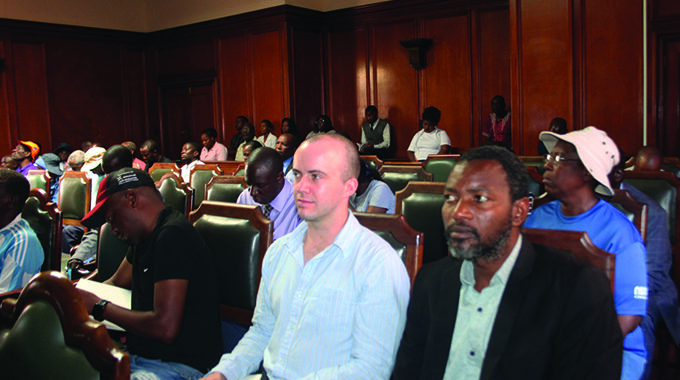
TEMPERS flared on Thursday during the City of Bulawayo’s crucial water utility formation feedback meeting at the Council Chambers, which ended with no resolutions.
Igniting the tempers were contributions from top council employees, acting town clerk Dr Edwin Mzingaye, Engineer Dumani Gwetu and Habbakuk Trust director Siphatho Ncube who is a member of the water utility technical committee appointed last month following an engagement with Civic Society Organisations (CSO).
 The committee was tasked to come up with a revised document on the formation of a water utility for the country’s second capital.
After a detailed presentation of the document by the acting water and sanitation director, Engineer Kwanele Sibanda, recommendations and questions were asked from the floor.
One delegate, identified as Mr Seedat, raised reservations about the formation of the utility saying the city was capable of running its water and sanitation department if given adequate resources.
“These people are misdirecting their priorities. Long ago when we had hard working councillors who were in chambers to serve the city, our water delivery system was working properly,” he said.
Mr Seedat said it was unfortunate that council employees were earning high salaries at the expense of service delivery.
“To me, this water utility thing is a big no,” said Mr Seedat, a contribution which drew applause from the floor.
Mr Stephen Nkomo was also critical of the water utility project: “If the issue is obsolete equipment, which council can’t afford to replace, then let us channel more resources to that and make sure the whole system is improved.”
He said council was losing nearly 50 percent of non-revenue water due to ageing infrastructure and felt forming a new utility will not bring water to the city.
“Let’s maintain what is there now but put emphasis on capacitating the department involved,” said Mr Nkomo.
Another participant, Mr Busani Ncube criticised council for weaning off its departments with no tangible contribution.
“You cited failure to manage city parking and brought on board Tendy Three Investments (TTI). You are also struggling to collect refuse and we do not know what you will do next,” he said.
The same sentiments were echoed by other speakers while Ms Khethiwe Tshuma asked what criteria was used to engage the consultancy company VEI from the Netherlands.
Bulawayo Residents Association chairperson Mr Winos Dube said he wanted to know if stakeholders agreed to the water utility project and if there is a provision to cancel it in future if the services are not satisfactory.
In response, Dr Mzingwane said stakeholders can always exercise their right by having the project cancelled if they are not satisfied with its performance.
Temperatures reached boiling point when Eng Gwetu and Mr Ncube took to the floor.
“If you can’t see the need for this project, you are not a leader and you are therefore not supposed to be here,” said Eng Gwetu.
Mr Ncube of Habakkuk Trust, after taking time explaining why the project was of necessity, further incensed the participants by claiming that some were hired mouths sent to discredit the council and the project.
All hell broke loose and participants called on Mr Ncube to immediately take his seat and stop addressing them. Council spokesperson Mrs Nesisa Mpofu had to apologise for the utterances before inviting the VEI waterworks project manager for Zimbabwe Mr Robson Manatsa to the floor.
“There is little trust here and it’s difficult for us to trust a management that is not trusted by residents and other stakeholders,” said Mr Manatsa.
“It does not mean that all these people raising reservations do not want want clean water for 24 hours. What is clear is that some of them are ignorant of what the project intends to achieve.”
The meeting ended without any resolution on whether the presentation by Eng Sibanda should be adopted or not before it is taken for further consultations with members of the public and other stakeholders.


 Online Reporter