Chronicle Editor
Sukulwenkosi Dube-Matutu ,[email protected]
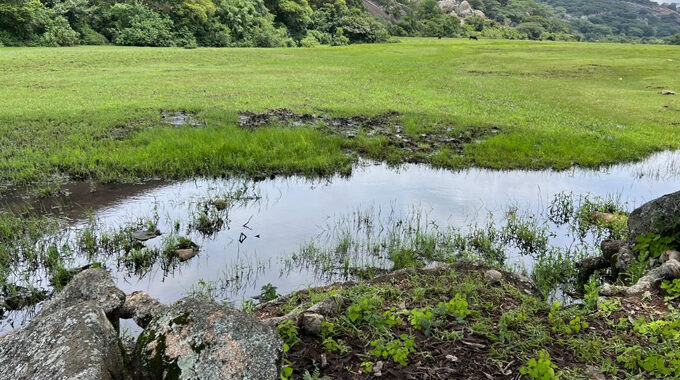
ZHILO community leaders in Umzingwane District, Matabeleland South Province, have appealed to the Government to step in and support the resuscitation and protection of Egobeni Wetland, citing its vast potential to unlock economic activities and sustain livelihoods.
Despite ongoing community efforts to preserve the wetland, harmful human activities pose a significant threat to its sustainability.
During the 2025 World Wetlands Day Matabeleland South provincial commemorations at Egobeni Wetland in Ward 8, Umzingwane District, headman Mr Mann Nkala said the wetland plays a crucial role in sustaining people and livestock.
“We have gardens in the area, but they are not within the wetland. People are strictly prohibited from engaging in agricultural activities near it, and livestock grazing is also not allowed,” he said.
Mr Nkala said while community members do not collect water directly from the wetland, they rely on water that flows from it into nearby streams and ponds.
“This wetland has never dried up and has been a lifeline, especially during dry seasons. During the El Niño-induced drought, it helped us sustain our livestock,” he said.
To further protect the wetland, Mr Nkala called for Government assistance in fencing off the area to prevent encroachment and degradation. He also highlighted the community’s vision to develop the site into an ecotourism hub, noting that improving road infrastructure would enhance accessibility for visitors.
In a speech read on her behalf by Secretary for Provincial Affairs and Devolution, Mrs Latiso Dlamini Maseko, Matabeleland South Provincial Affairs and Devolution Minister, Dr Evelyn Ndlovu, urged communities to adopt sustainable practices to ensure wetland conservation.
“Our local and national wetlands are facing unprecedented threats from rapid urbanisation, agriculture, pollution, deforestation, and the effects of climate change. These threats not only undermine the environmental services provided by wetlands but also put at risk the communities that depend on them for their survival,” said Dr Ndlovu.
“The wetland that we have seen today has not been spared by human activities as well. As communities, we should safeguard our water resources and avoid activities that degrade our wetlands such as brick mounding, cultivation, and grazing at wetland sources.”
Dr Ndlovu said there is a need to raise environmental education and public awareness of the importance of wetlands, especially among youths.
She said the Government has also come up with various strategies to protect wetlands.
Environmental Management Agency (EMA) provincial manager for Matabeleland South, Mr Decent Ndlovu, reiterated the importance of wetlands, emphasising their role in improving water quality, controlling flooding, and providing water for people and animals during droughts.
“Wetlands are important as they improve the quality of water and also control the speed of flowing water thereby protecting against flooding. They also play a crucial role in providing water for animals and people during drought situations,” he said.
Mr Ndlovu said wetlands are also a source of economic development through eco-tourism.
“Under eco-tourism, we can have various income-generating projects such as lodges and beekeeping. Wetlands can also be a source of recreation and research,” he said.
Mr Ndlovu urged the community to initiate projects that align with wetland conservation while generating income, assuring them of Government support.
Zimbabwe is set to host the 15th Meeting of the Conference of the Parties to the Convention on Wetlands (COP15) in Victoria Falls from July 23 to 31. Over 170 countries will participate in the conference to discuss global wetland conservation efforts. Zimbabwe, one of the 173 contracting parties to the Convention on Wetlands, ratified the treaty in 2014.
World Wetlands Day is an annual event observed every February 2 in recognition of the importance of wetlands and their role in environmental sustainability and economic resilience. The day marks the date of the adoption of the Convention on Wetlands on 2 February 1971, in the Iranian city of Ramsar on the shores of the Caspian Sea. This year’s commemorations were held under the theme “Protecting Wetlands for our Common Future.”
The Government has implemented measures to enhance wetland conservation, including increasing the area under sustainable wetland management in alignment with the National Development Strategy 1 (NDS1), the Wetland Rehabilitation Rolling Plan (2021-2025), and the National Biodiversity Strategy and Action Plan (NBSAP),
The National Wetlands Policy and the Environmental Management Act (Chapter 20:27) serve as key legal frameworks guiding wetland protection efforts.
@DubeMatutu



 Online Reporter