

 admin
admin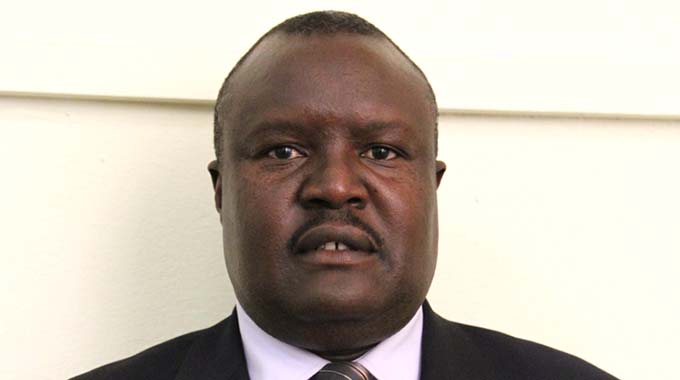
George Maponga in Masvingo
Zimbabwe Chiefs Council president Senator Fortune Charumbira has cleared the air on the role of traditional leaders in national politics, stressing that they were apolitical, but fully supported the liberation ethos that inspired restoration of Zimbabweans’ control over their natural resources.
Sen Charumbira said while chiefs were apolitical, they will always back efforts to restore their powers and standing which was shaken to the core when the country fell under British colonial rule.
Chiefs have been under fire in some circles as they were accused of supporting the ruling Zanu-PF party.
Fielding questions from the floor during an interactive indaba organised by the Zimbabwe Union of Journalist (Masvingo Chapter), the chiefs’ council president lamented that traditional leaders were still disrespected 39 years after the country won the independence war to return power to indigenous Zimbabweans.
‘‘I am apolitical and do not support any political party but I support the liberation ethos that influenced the fight for indigenous people to regain control over their country including natural resources,’’ he said.
‘‘Chiefs will never shy away from supporting moves to restore ownership and control of indigenous resources to local people. Chiefs should be the custodians of a nation’s traditions,norms, values and natural resources such as land that were taken away by imperialists and they will always be supportive of any drive to reverse and correct that which must not necessarily be misconstrued to supporting a political party advocating that.’’
Sen Charumbira said chiefs were key pillars in pre-colonial Zimbabwean state hence they became the first target of a sustained drive to alienate indigenous people from controlling their natural resources particularly land.
‘‘The issue of chiefs and their role in politics dates back to the First Chimurenga when chiefs led the fight against British imperialists. The imperialists almost lost the war of conquest in Rhodesia only to prevail on the strength of superior weaponry and a raft of new legislation that allowed them to curtail movement of chiefs and hang leading figures of black resistance such as Mbuya Nehanda and Sekuru Kaguvi.
‘‘Chiefs were further crippled after they were put under the leash of District Native Commissioners to dilute their influence and completely paralyse them from spearheading a successful rebellion after they were dispossessed of their land,’’ said Sen Charumbira.
The Zimbabwe chiefs council president said the main grievances by nationalists which sparked the Second Chimurenga culminating in autonomy in 1980, were similar to those of chiefs.
He said in other countries including the West, traditional leaders such as Kings (chiefs locally) were powerful figures who were held in very esteem.
Sen Charumbira said while some sections of the Zimbabweans society felt that Government was being extravagant by pampering chiefs with gifts such as vehicles and electricity at their homesteads, the traditional leaders in fact deserved more because of their position in society.
Masvingo journalists also unanimously agreed to make Chief Charumbira – who is also the Vice president of the Pan-African parliament and longtime World Bank consultant – the patron of the local Press Club.



 Online Reporter