Chronicle Editor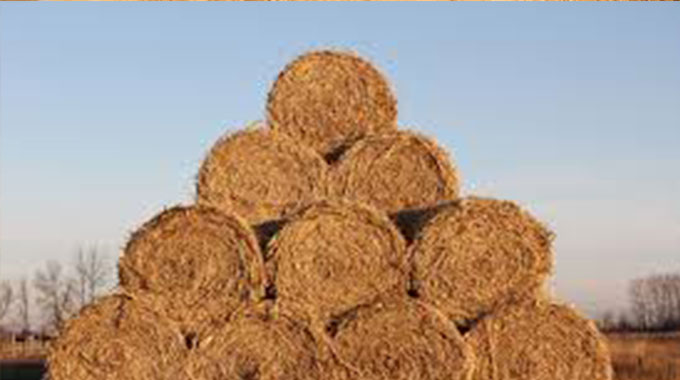
Mhlupheli Dube on farming issues
WE are moving into the deeper ends of the dry season and the results are there for everyone to see.
Animals are steadily but surely beginning to lose condition.
We are reading in the media that we might lose up to half of our national herd to drought if no mitigating measures are taken.
This will be catastrophic as it translates to massive loss of assets and investments by farmers.
This week, we therefore seek to recap on the drought mitigation strategy to save our herd.
This is not going to be an easy task considering the economic environment we find ourselves in and the effects of the drought.
As a first step in mitigation against this drought, I would strongly advise farmers to cull and sell animals that are old and those that have a tendency to be sickly and are weaklings.
These tend to succumb first to the drought, so getting rid of them much earlier is a prudent management decision.
Next step is to wean any calf above six months of age to relieve nutritional pressure from lactating cows. You could even wean at five months of age to save the dam and calf.
The next difficult step is water provision for your animals. I have no answer to this one except to counsel that as a farmer use whatever means is at your disposal to make sure your animals access drinking water.
This is a difficult task as most areas especially in Matabeleland have no perennial rivers and the dams did not receive much water this year and they are drying up fast.
However, it is important to note that lack of water affects animals much more than scarcity of feed.
Your animals can increase their browsable intake by picking on leaves and barks available as substitute for grass but there is no substitute for water!
Another strategy is to buy in-feed to supplement your animals. This is also not easy this year because of the inflation and runaway prices obtaining on the market.
Pen feeding meal and beef survival meal are trading for anything between $120 to $140 per bag.
This is no small amount at all. This is when destocking and/ or culling becomes important as those animals are then sold to purchase stock feed. However, it is important to mention that beef producer prices have not risen in sync with the inflationary environment we are experiencing and this frustrates farmers.
Farmers can also buy hay bales as these are affordable and in some cases available closer to the farmers.
Hay bales are sold by both stock feed dealers and some farmers who baled more than they need.
However, I would also advise farmers to beneficiate the hay bales by some additives such as molasses.
The nutritional value of ordinary hay bales is a bit low depending on the quality of the predominant grass in the bales.
One stock feed manufacturing company is selling ammoniated hay bales.
No doubt that this is value added hay bales but I am yet to get hold of information on the exact nutritional value of such bales. I will share when I get it.
The same company also sells a product called mabiko which has proven to be an excellent feed for farmers.
It is very high in crude protein. I have had a number of testimonies from commercial farmers regarding the efficacy of this product. It may be important to get it for your animals as well.
Farmers in areas with a lot of tree leaves like Lupane, Nkayi and any such places of Emaguswini (Matabeleland North) can also consider using browseplus to stimulate intake and utilisation of tree leaves which animals ordinarily would not be able to utilise.
Browseplus is a product in the market which enables animals to be able to breakdown tannins in leaves, making them digestible and thereby releasing nutrients which otherwise would be locked in and animals would not be able to utilise.
Emaguswini there tends to be more leaves than grass due to high density of woody species compared to grasses therefore this product could become handy.
Lastly, farmers could seek for relief grassing areas and drive their animals there. This is, however, a challenge as owners of places with better veld are not willing to share it.
Also extensive movement of animals across districts can cause disease migration from one area to another and present a veterinary nightmare.
Uyabonga umntakaMaKhumalo.
Feedback [email protected]/cell 0772851275.


 Online Reporter