Liberty Dube
Tourism Correspondent
CHIPINGE offers travellers a range of natural attractions, from Chirinda Forest and scenic waterfalls to hot springs, wildlife areas and historic landmarks.
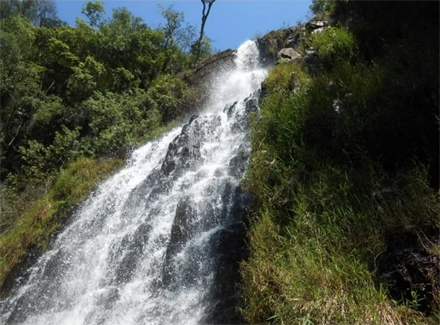
Among its lesser-known attractions is Chibasane Falls, a series of seven waterfalls along Changazi River in Ngaone communal lands, Chipinge North.
With the festive season approaching and summer temperatures rising, Chibasane offers visitors an opportunity to escape busy towns, enjoy the outdoors and explore one of Chipinge’s natural attractions.
The seven waterfalls, estimated to range from 40 metres to 150 metres in height, form a striking landscape as water cascades over rocks into the surrounding vegetation.
Beyond the scenery, the falls offer an opportunity for visitors to relax, explore the countryside, take photographs and spend time with family and friends.
The sound of flowing water and the surrounding vegetation create a peaceful setting for those seeking a break from everyday routines.
During the hot summer months, the falls could also attract visitors interested in water-based recreation.
However, swimming should only take place in designated areas confirmed to be safe. Visitors should exercise caution around the cascades, particularly where water currents, slippery rocks and varying depths may present hazards.
The attraction also offers an opportunity to appreciate the relationship between water and the natural environment.
Rivers and waterfalls support surrounding ecosystems, while water remains essential to human health, agriculture and livelihoods.
For families, couples, groups of friends and adventure enthusiasts, Chibasane offers opportunities to enjoy the scenery, take photographs and share meals in natural surroundings.
Photography enthusiasts can also explore the seven cascades, each offering opportunities to capture the movement of water and the surrounding landscape.
Despite its natural appeal, Chibasane Falls remains relatively unknown as a tourism destination. Limited visitor facilities and rural tourism infrastructure present opportunities for investment, community participation and destination promotion.
Developing the attraction could broaden Chipinge’s tourism offering while creating opportunities for surrounding communities to participate in tourism-related activities.
Chibasane is not Chipinge’s only natural attraction.
Among the district’s notable destinations is Chirinda Forest, Zimbabwe’s largest natural rainforest, located in Chipinge East. The forest is renowned for its biodiversity and towering indigenous trees.
One of its most recognised features is the Big Tree, a giant red mahogany estimated to be more than 1 000 years old. It stands approximately 65 metres tall and has a trunk diameter of about 4.5 metres.
The forest attracts educational groups and nature enthusiasts interested in Zimbabwe’s forest heritage and biodiversity.
Visitors can also explore Musirizwi Falls, situated along the Musirizwi River near Glassplats along the Mount Selinda Road. Its vegetation and scenic surroundings provide opportunities for picnics and nature appreciation.
Rupise Hot Springs offer another option for visitors seeking relaxation and an opportunity to experience natural thermal waters.
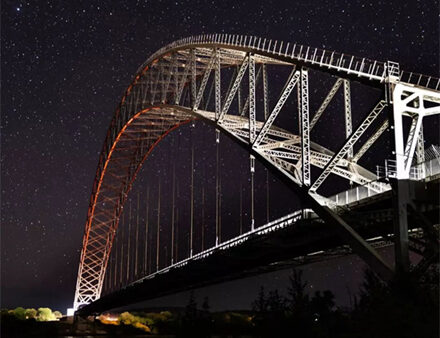
Wildlife enthusiasts can visit Chipinge Safari Area to appreciate the district’s flora and fauna, while Birchenough Bridge, which spans the Save River, remains one of Zimbabwe’s recognisable engineering landmarks.
Chipinge’s location, bordering Mozambique to the east and neighbouring several districts in Manicaland and Masvingo, adds to its tourism appeal through its varied landscapes and cultural experiences.
However, Chibasane Falls stands out as an attraction that could help broaden the district’s tourism profile.
As Zimbabweans plan their festive-season holidays, the falls offer an alternative to more familiar destinations.
A visit could provide an opportunity to explore Ngaone, appreciate the waterfalls and spend time in a natural environment away from the pressures of urban life.
The attraction also presents an opportunity to promote lesser-known domestic tourism destinations.
Increased visitor interest could raise awareness of local attractions, stimulate demand for services and strengthen the case for investment in rural tourism.
For communities surrounding Chibasane, tourism development could create opportunities to participate in local economic activities while preserving their natural heritage.
This, however, requires more than simply attracting visitors. Improved access, visitor facilities, safety measures and responsible environmental management would help establish the falls as a sustainable tourism destination.
Chibasane’s appeal lies in its natural setting and relative obscurity. Its seven waterfalls offer an opportunity to discover another side of Chipinge, while the district’s other attractions provide reasons to extend a visit.
This festive season, travellers looking beyond familiar holiday destinations can consider Chipinge, explore Ngaone and discover Chibasane Falls.
Sometimes, memorable travel experiences begin with discovering places that remain largely outside the mainstream tourism circuit.
Chibasane Falls: Chipinge’s hidden summer escape