Tendai Gukutikwa
Health Reporter
WHEN a person suddenly loses movement on one side of the body, struggles to speak or collapses, relatives may not immediately recognise the signs of a stroke.
In communities where stroke is associated with witchcraft, family curses or spiritual attacks, some families first turn to traditional or faith healers instead of seeking emergency medical intervention.
Such delays can cost patients valuable time and worsen their chances of recovery.
For the Mutizwa family, the consequences were devastating, as Mrs Rufaro Mutizwa recounted in an interview.
“My 48-year-old uncle, who was a farmer, woke up one day intending to attend to his fields, only to discover that his right arm was weak, his face had drooped and could not properly speak. Unfamiliar with the warning signs of stroke, we initially suspected that something had been done to him spiritually.
As we debated where to seek help, his condition continued to deteriorate, and eventually died,” said Mrs Mutizwa.
Her family’s experience highlights the dangers of misconceptions about stroke, particularly when relatives mistake its symptoms for evidence of witchcraft or spiritual attacks.
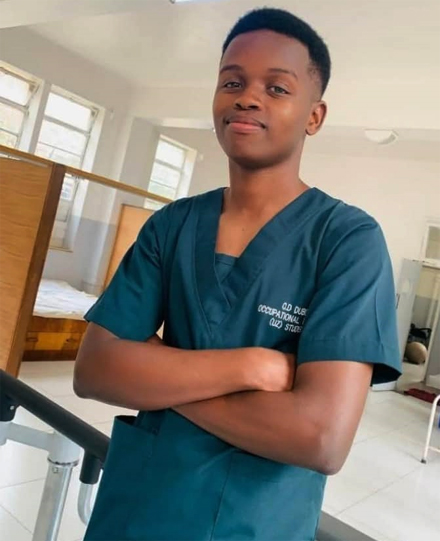
Occupational therapist, Mr Clyde Dube said one of the biggest challenges in addressing stroke was not only the condition itself, but also the myths that influenced how communities responded to it.
Stroke is a medical emergency that occurs when a blood vessel supplying part of the brain becomes blocked or bursts, damaging brain cells.
Despite its medical causes, some communities continue to attribute stroke to supernatural forces, prompting families to delay seeking appropriate treatment.
“Stroke is sudden, but prevention and recovery are built daily,” said Mr Dube, adding that blaming it on witchcraft, family curses or bad luck could lead relatives to seek spiritual interventions before taking patients to health facilities.
“In many African communities, stroke is still wrongly blamed on witchcraft, family curse or bad luck. This sends families to traditional or faith healers first and delays life-saving hospital care by hours or even days,” he said.
Another misconception is that stroke affects only elderly people.
Mr Dube said people in their 30s, 40s and 50s were also vulnerable.
“This is particularly concerning because many people in these age groups are economically active, raising children, supporting extended families and contributing to household livelihoods.
“A stroke can therefore affect more than the individual survivor. It can leave families with additional caregiving responsibilities, medical expenses and the loss of an income earner,” he said.
Mr Dube said communities needed to recognise stroke as a medical emergency rather than a mysterious condition that invited blame.
“Although stroke can strike suddenly, the decisions that influence its prevention and recovery are made every day.
Recognising the signs, controlling blood pressure, adopting healthier habits and supporting survivors could mean the difference between preventable disability and better chance of recovery,” he said, challenging the belief, particularly prevalent in some urban communities, that stroke was a disease of wealthy people.
He said stroke and its major risk factors affect people across different economic backgrounds, making public awareness and prevention important.
According to the World Stroke Organization, approximately 12.2 million people experience stroke annually worldwide, while about 6.5 million die from the condition.
More than 100 million people are living with the effects of stroke, while one in four adults aged over 25 is expected to experience a stroke during their lifetime.
“Low- and middle-income countries carry more than 70 percent of the global stroke burden, highlighting the need for stronger prevention, early diagnosis and rehabilitation services,” states World Stroke Organization.
However, up to 90 percent of strokes are linked to modifiable risk factors, pointing to opportunities for prevention.
Mr Dube identified high blood pressure as the single biggest risk factor, and warned the public against waiting for headaches, dizziness or other symptoms before checking their blood pressure.
High blood pressure can remain undetected for years while damaging blood vessels and increasing the risk of stroke.
“Other risk factors include diabetes, unhealthy diets, physical inactivity, and smoking and excessive alcohol consumption.
Regular screening of blood pressure and blood sugar is important, particularly for people with existing risk factors. Brisk activity for about 30 minutes on most days, a diet low in salt, sugar and fat and rich in vegetables, fruit, whole grains and fish, quitting tobacco and limiting alcohol all help lower the risk of stroke,” he said, urging people to adopt healthier lifestyles and undergo regular medical checks rather than wait until complications developed.
Mr Dube said misconceptions also affected how families treated stroke survivors, particularly those who experienced difficulties walking, speaking or using one side of their bodies.
“Some families mistakenly believe that losing the ability to walk, speak or use one side of the body means the survivor has little chance of regaining independence. Stroke rehabilitation should not be viewed as the responsibility of one health professional, but a coordinated process involving different specialists,” he said.
He said survivors and their families played central roles in rehabilitation, adding that coordinated care could improve patients’ chances of returning home and living independently.
However, rehabilitation can be frustrating for families who expect immediate improvements.
“Some survivors take months to regain particular abilities, while others continue living with permanent disabilities. A slow recovery should not be interpreted as proof that rehabilitation was futile. With appropriate intervention, consistent exercises and support, survivors can continue making progress and regain varying levels of independence,” he said.
Mr Dube said families should treat survivors with dignity, patience and encouragement rather than blame or isolation.
He said rehabilitation could help survivors improve their ability to perform daily activities and participate in family and community life.
However, he said early recognition of stroke symptoms remained critical.
“One of the most important interventions, however, is recognising stroke early enough to seek medical assistance,” said Mr Dube, urging communities to learn the FAST warning signs, which help identify a possible stroke.
“We urge communities to remember the FAST warning signs. F stands for Face, where one side of the face droops when the person smiles. A represents Arm, where one arm becomes weak or numb. S stands for Speech, where a person experiences slurred or unusual speech. T stands for Time, reminding people to seek emergency medical attention immediately. Every minute counts. If you see a drooping face, a weak arm or slurred speech, it is time to reach a health facility immediately,” he said.
He warned against practices such as pricking survivors’ fingers, rubbing affected limbs or administering herbal drinks in attempts to reverse stroke.
“Such interventions do not restore blood supply to the brain and can waste valuable time. Giving someone food, water or herbal preparations can also be dangerous where swallowing has been affected,” he said.
Mr Dube called for increased public awareness, stronger primary healthcare systems to screen and manage high blood pressure and diabetes, and more rehabilitation professionals at provincial and district hospitals.
He said access to specialised treatment and rehabilitation was particularly important in rural communities, where distance and financial constraints could prevent survivors from receiving continued care.
ENDS
Stroke myths cost patients precious time