Online Reporter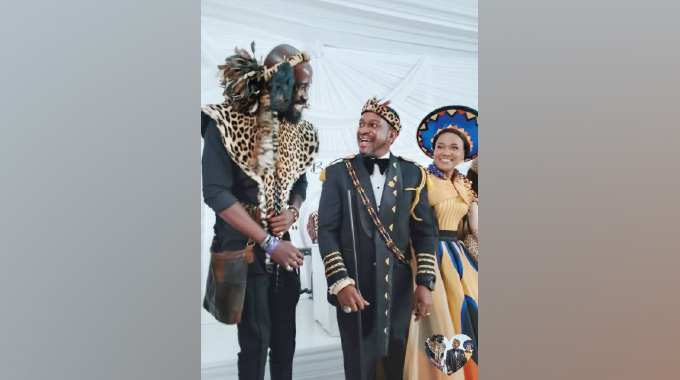
Langalakhe Mabena, Zimpapers Arts and Entertainment Hub
CHIEF DAKAMELA of Nkayi in Matabeleland North, one of the distinguished guests at the royal wedding of King Misuzulu kaZwelithini Zulu and his third wife, Queen Nomzamo Myeni, says the ceremony was more than a celebration of marriage — it was a platform for cultural networking and the preservation of African identity.
The grand two-day wedding took place at KwaKhangelamankengane Palace in Nongoma, KwaZulu-Natal, South Africa, on November 9 and 10. It followed uMkhehlo, a traditional pre-wedding gifting ceremony held on November 7, where the bride is formally showered with blessings and presents.
The festivities culminated in umgcagco, the main traditional wedding that officially recognised Queen Nomzamo Myeni as the King’s third wife. She joins Queen Ntokozo kaMayisela and Queen Nozizwe Mulela in the royal household. King Misuzulu has also paid lobola for a fourth wife, Princess Sihle Mdluli, whom he is yet to marry.
Thousands of guests, including politicians, royalty and celebrities, attended the wedding. Among the notable attendees were Economic Freedom Fighters (EFF) leader Julius Malema, Gauteng Premier Panyaza Lesufi, Maskandi musicians Khuzani and Thokozani Langa, as well as Shaka iLembe actor Mondli Makhoba. Members of the royal family who blessed the union included Prince Dr Zebron Zulu, Prince Masikwamahle KaZwelithini, Prince Vanana Zulu and Prince Simphiwe Zulu.
The traditional wedding was a historic moment for the Zulu nation, as they last witnessed such an occasion in 2014 when the late King Goodwill Zwelithini wedded Queen Zola Mafu.
Chief Dakamela said attending the ceremony offered a rare glimpse into the richness of Zulu tradition while enabling meaningful cultural exchange among traditional leaders from across the region. He described the wedding as a blessing that provided him with a profound cultural experience, noting that it became a true cultural exchange platform where he connected with royals from various kingdoms and chieftaincies across Africa.
He said the event showcased the rich cultural identity of Nguni communities, with attendees dressed in vibrant traditional attire reflecting their respective ethnic backgrounds.
“I had a wonderful cultural experience at the royal wedding as it was attended by guests from different cultural and national backgrounds, including notable figures like Julius Malema, Baba Kyabazinga of Busoga, Nadiope William Wilberforce Gabula IV, and Mama Inhebantu Jovia Mutesi from the Busoga Kingdom.
“From my experience, the wedding served as a networking platform, allowing interactions among community leaders, actors and royal family members, which fostered connections for future cultural initiatives, especially for us who host Imiklomela kaDakamela every year. It was an excellent opportunity to appreciate and promote our cultural heritage,” said Chief Dakamela.
He stressed the importance of Africans upholding the spirit of Ubuntu, as it remains the backbone of the continent’s humanity and shared values.
“What I learnt from the trip is that there’s significant power in valuing our culture. While in Zululand, I saw that the Zulus apply the concept of Ubuntu, which emphasises unity, support and love. I witnessed this through the number of people who attended the royal wedding. Everyone was accommodated despite cultural differences.
“This trip made me realise that success cannot be achieved in isolation, but rather through collaboration and networking with other African communities and ethnic groups. As Africans, we’re one people and for us to grow together, we must remember to avoid divisive actions that undermine unity and learn from the positive outcomes that arise from collective strength,” he said.
Chief Dakamela noted strong cultural similarities between the Zulu and the Ndebele of Zimbabwe, saying both communities are rooted in shared Nguni traditions, practices and rites. He commended the Zulu nation for staying connected to their culture by following traditional processes passed down by their forefathers.
He said other Nguni groups could take valuable lessons from the Zulu royal wedding, which observed all the essential rites required to unite a couple.
“As Ndebele people, I believe we have lost many of our cultural connections because we no longer observe the proper rites of passage that define us. However, we’re slowly bouncing back and reconnecting with our roots, as more people are making efforts to revive our culture. Some Ndebele families now even prefer traditional weddings over the more popular white weddings. Slowly but surely, we are rediscovering ourselves and embracing the roots that truly identify us,” he said.