Online Reporter
Patrick Chitumba, Zimpapers Reporter
SCORES of people gathered at Chief Njelele’s homestead in Gokwe District over the weekend for the annual Mukwerera Ceremony — a tradition that transcends rain-making to celebrate Zimbabwean heritage and strengthen community bonds. The ceremony, which attracted other traditional leaders, spirit mediums and Government officials, was a demonstration of enduring relevance of ancestral traditions in contemporary society.
Attendees came together to honour their ancestors and celebrate Zimbabwe’s rich cultural heritage. The Mukwerera Ceremony is a vital part of Zimbabwean culture, serving as a reminder of the community’s deep-rooted connection to the land and their forebears.
Traditional songs, dances and rituals marked the occasion, reflecting the community’s faith in ancestral guidance and the importance of preserving cultural heritage.
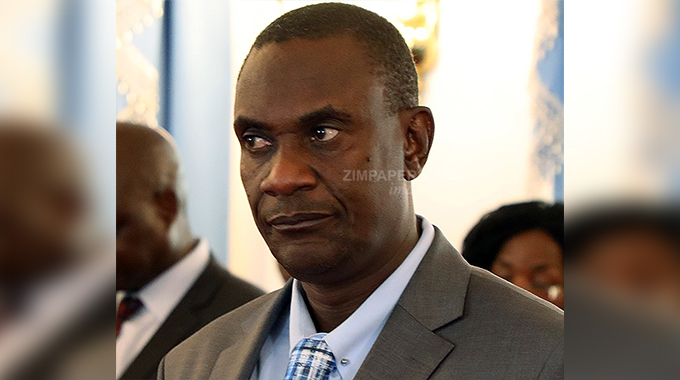
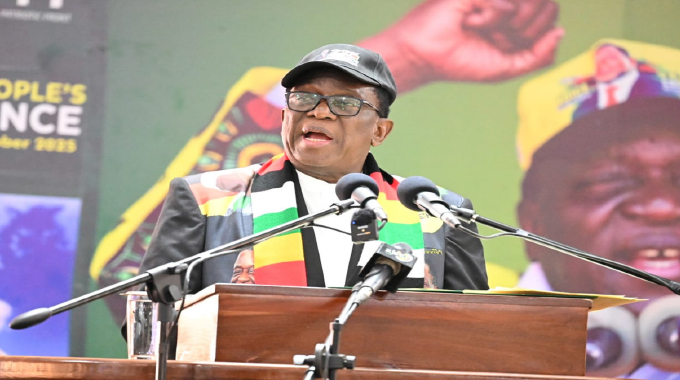
In his address, Minister of State for Midlands Provincial Affairs and Devolution, Owen Ncube, said the traditional rain-making ceremony was convened periodically for spiritual guidance and intercession, helping to strengthen community ties as the country prepares for the 2025/2026 farming season.
“Today’s event entrenches the Second Republic’s heritage-based economic growth and development, anchored by natural resource endowments and the diverse cultures and traditions that define us as Zimbabweans,” he said.
Minister Ncube noted that the ceremony aligns with President Mnangagwa’s message at the 22nd Zanu-PF Annual National People’s Conference, where he urged communities to uphold the values of unity, peace and development, while embracing Vision 2030 accelerator interventions such as production, innovation, value addition, modernisation and industrialisation.
He added that since the inception of the Second Republic in November 2017, President Mnangagwa has consistently and timeously provided agricultural inputs to communities under the Presidential Inputs Scheme, covering all districts in the province from Gokwe North to Mberengwa.
“I therefore urge local leadership to distribute inputs transparently, ensuring no one is left behind. Desist from charging transport costs to beneficiaries, as the inputs are provided free of charge. Let this serve as a warning to those who abuse Presidential Inputs — the full force of the law will catch up with them,” said Minister Ncube.
He emphasised that the Second Republic recognises the critical role traditional leaders play in national development.
“Chiefs are not merely custodians of culture and tradition; they are integral to the socio-economic framework of our society. They serve as mediators, advocates for their people’s needs and aspirations, and development practitioners who champion the promotion and preservation of cultural heritage,” said Minister Ncube.
Despite the illegal economic sanctions imposed on Zimbabwe by the US and its Western allies, Minister Ncube said the Second Republic under President Mnangagwa continues to roll out tangible, signature programmes and projects to communities.
He urged traditional leaders to remain resolute and unwavering in upholding cultural norms and values that foster social cohesion, unity of purpose, and national aspirations — all of which are essential to achieving an upper middle-income society by 2030.
In his remarks, Chief Njelele highlighted the importance of passing cultural practices to future generations.
“This gathering is held every year to appease our ancestors and ensure adequate rains for our land. Such ceremonies must be preserved at all costs. Our forefathers practised this, and it is our duty to pass the baton to our children and grandchildren so our culture lives on. Everyone should go back to their roots and remain cultured,” he said.