Thupeyo Muleya, Beitbridge Bureau
A PARTNERSHIP between traditional leadership, Government, Beitbridge Rural District Council and the private sector is helping preserve TshiVenda through a phased textbook programme targeting primary schools in Beitbridge.
The initiative, spearheaded by Chief Tshitaudze, has seen Bubye Valley Conservancy (BVC) procure TshiVenda textbooks for schools in the predominantly Venda-speaking district, while extending its support to include conservation lessons and educational tours for learners and community members.
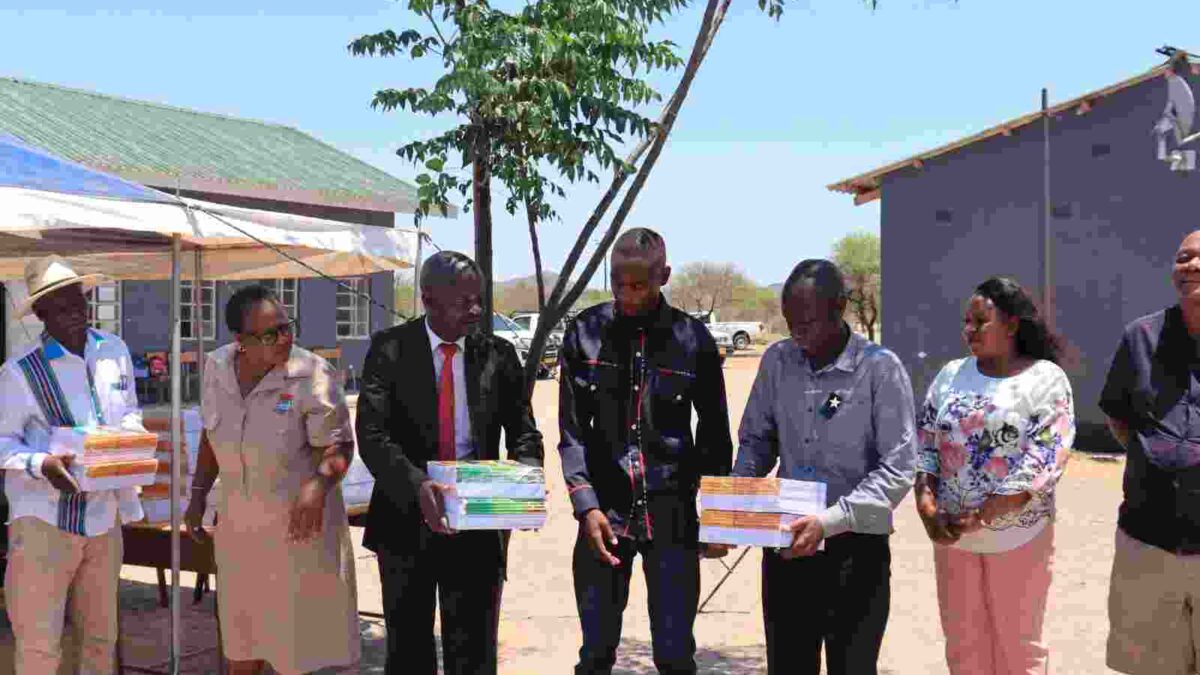
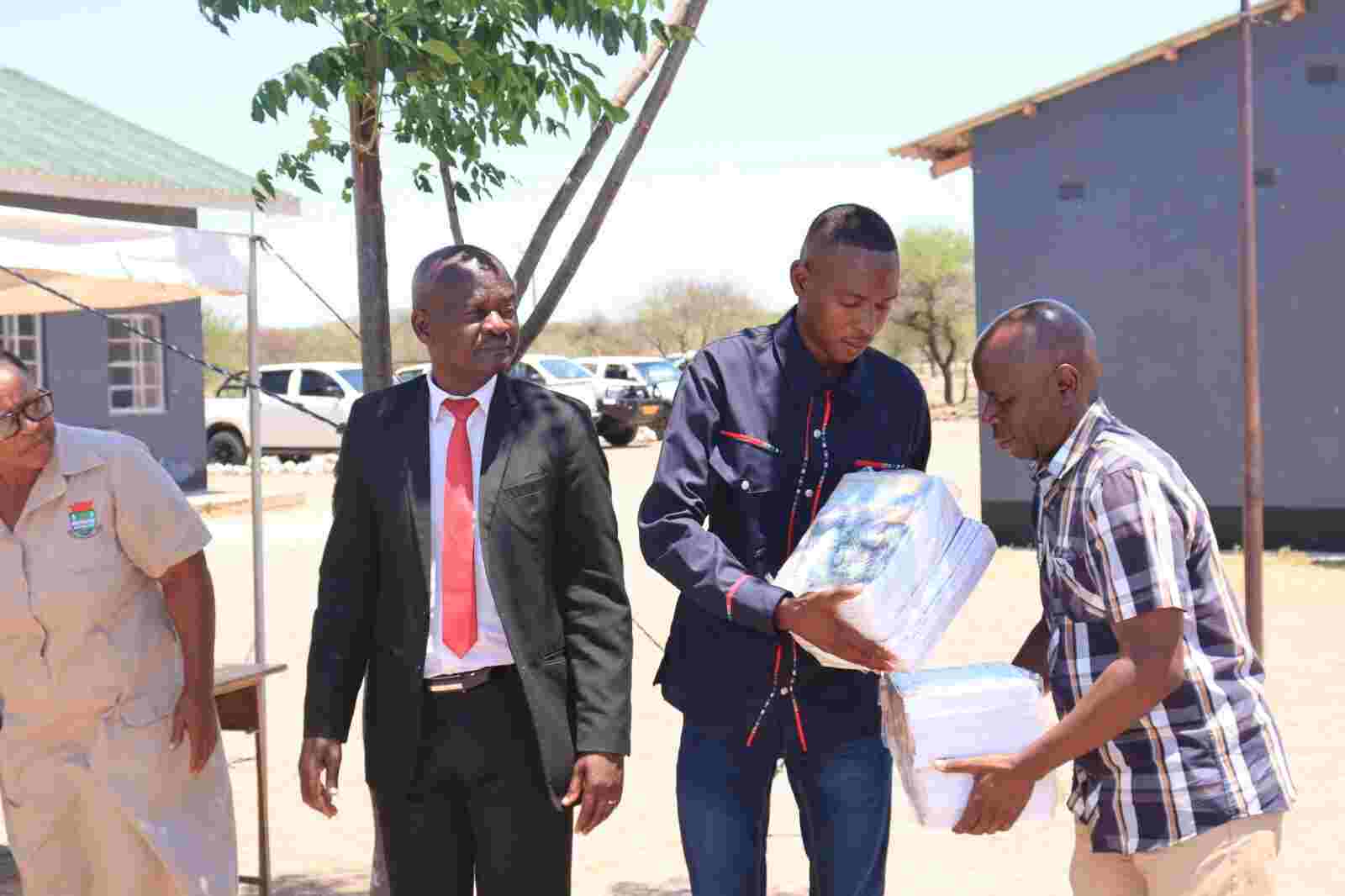
The latest handover was held at Mtetengwe Primary School on Friday, where Grade 3 and Grade 4 learners from seven schools received textbooks as part of the second phase of the programme.
The development comes as the country implements the Heritage-Based Curriculum 2024-2030, which places heritage at the centre of learning and seeks to nurture learners who value and practise
Unhu/Ubuntu while appreciating Zimbabwe’s history, heritage sites and national identity.
The first phase benefited 15 schools, with textbooks covering Grades 5 and 6. The latest phase extends support to schools that were not covered previously, namely Joko, Bubye-Swansco, Musane, Driehoek, Tshivhonzeni, Makombe and Tshapfuche.
The third and fourth phases are expected to extend the programme to Grade One learners and those in Early Childhood Development (ECD) to Grade Two.
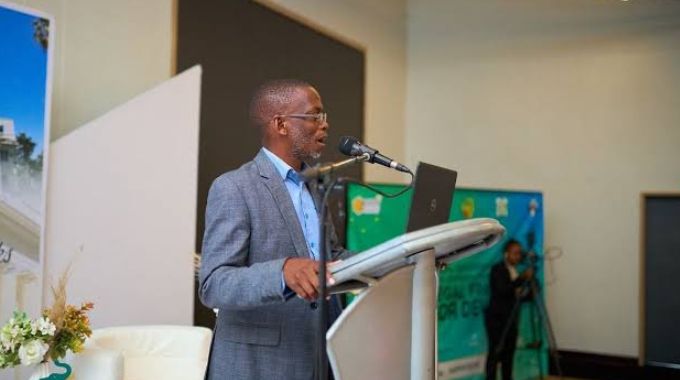
In a speech read on his behalf by Mr Abednego Mbedzi during the handover, Chief Tshitaudze said he was encouraged by the growth of an initiative that began with his efforts to source learning materials for local schools.
“When I started this noble initiative, I did not know it would reach this high level. I will never stop giving my gratitude to Bubye Valley Conservancy for making my dream become a possibility. If all companies could do so, Beitbridge would be a better place for us all,” he said.
He said mother-tongue education was essential in preserving cultural identity and improving learning outcomes.
“TshiVenda is the epicentre and the heart of our culture, so the children need to pass it on and contribute to Zimbabwe as a whole. When children learn in their mother tongue, they understand better, they perform better, and they carry their identity with pride.”
Chief Tshitaudze said Grade Three and Grade Four were critical stages in a learner’s education, warning that children who struggled to read and write in their mother tongue at that level could face difficulties in other subjects.
He commended the Ministry of Primary and Secondary Education, the Beitbridge Rural District Council and BVC for supporting the programme, saying the initiative demonstrated the role of traditional leaders in promoting education.
“This work also aligns with the President’s mantra of ‘leaving no one behind’ — therefore, we do not want our district and our language to be left behind,” said Chief Tshitaudze.
He urged the beneficiary schools to safeguard the books and ensure that learners made full use of them, while appealing to other companies and well-wishers to support similar initiatives.
Representing the District Schools Inspector, Mr Shadreck Edson Mbedzi said the donation demonstrated the importance of partnerships in promoting education and preserving cultural heritage.
“Today, we gather not merely to receive books, but to celebrate a partnership that recognises education as a powerful tool for community development. Books are more than learning materials; they are sources of knowledge, instruments of empowerment and bridges between generations,” he said.
“Language is not simply a means of communication; it is a carrier of culture, identity, values, traditions and collective history.”
Mr Mbedzi said supporting the teaching and learning of TshiVenda was an investment in preserving cultural heritage for present and future generations.
He also acknowledged BVC’s wider support for disadvantaged learners, including the payment of school fees for children at Tongwe and Langeni schools.
“Education is a shared responsibility, and its success requires strong partnerships between Government, communities, traditional leadership, schools, parents and the private sector,” he said.
He urged school heads and teachers to safeguard the donated books and make them accessible to learners, while encouraging pupils to read widely and take pride in their language and culture.
BVC Community Engagement and Education representative Mr Collet Sayi said the conservancy’s contribution extended beyond the provision of textbooks to include conservation education and exposure to wildlife and environmental protection.
Through conservation classes and educational tours, learners and community members are introduced to wildlife, environmental conservation and heritage, linking language, land and livelihoods.
“BVC also supports 22 primary schools in the Beitbridge area and is taking care of school-related needs for 384 orphans and vulnerable children from Mwenezi and Beitbridge districts which fall under our catchment area, several clinics across its landscape, Beitbridge Rural District Hospital, borehole drilling at schools including Tongwe High School and the construction of a computer laboratory at Mtetengwe Primary School,” he said.
He said the conservancy’s programmes focused on education, health and wellness, livestock development, and water and sanitation services.
“Our support focus is inclined to education, health and wellness, livestock development, and water and sanitation health services, and we are rolling out several programmes in these sectors, including supporting the local Beitbridge Referral Hospital to meet its service delivery obligations. All our support programmes are in line with the pillars of the NDS1 and NDS2 to achieve the envisaged Vision 2030.”