admin
admin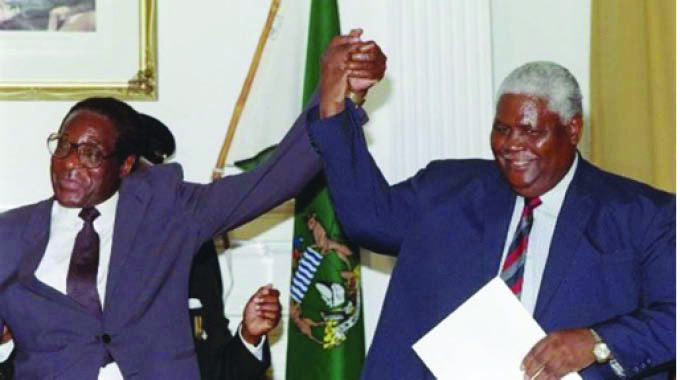
Sukulwenkosi Dube-Matutu, Matabeleland South Bureau Chief
TRADITIONAL chiefs in Matabeleland have hailed the signing of the Unity Accord in December 1987, saying it has helped promote cultural and traditional values among people.
On Thursday, the country marks 35 years since the signing of the Unity Accord on December 22, 1987.
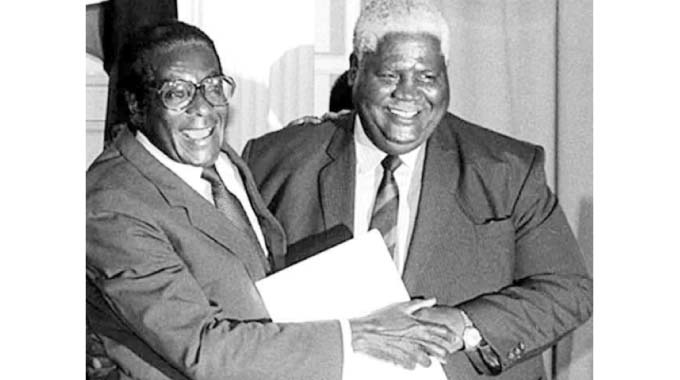
The Unity Accord was signed by the late Vice-President Dr Joshua Nkomo, the then leader of the PF-Zapu and the late former President Robert Mugabe, representing Zanu-PF. It was one of the major political milestones in Zimbabwe’s political history since its Independence in 1980.
In his inauguration speech on November 24, 2017, President Mnangagwa said the Unity Accord was a decisive factor in mapping the way for the country’s path to unity, peace and development that the nation enjoys today.
Chief Ndondo of Mbembesi in Matabeleland North said traditional leaders got recognition following the signing of the Unity Accord.
“After the country gained independence in 1980, as traditional leaders, we didn’t have the power and recognition needed to enforce cultural and traditional values because the nation was not united,” he said.
“However, after the Unity Accord was signed, efforts were made to empower traditional leaders and to give them due recognition. After the signing of the Unity Accord, the Government started to look into our welfare and statutory instruments were put in place to set the pace for traditional leaders to exercise their power.”
Chief Ndondo said the Unity Accord helped erase conflicts which had brought a lot of pain and harm to the nation.
Chief Masendu from Bulilima in Matabeleland South said Unity Day is of great significance to Zimbabweans.
He said the day was birthed by the Unity Accord, which was an agreement made by two political party leaders who decided to set their personal interests aside for the betterment of the nation.
Chief Masendu said this agreement has been cherished for the past 34 years and urged youths to carry on with the noble cause.
“The Unity Day is of great significance and the youth have to be educated about this day so that they understand that a nation is stronger when its people are united. The Government under the Second Republic has been at the forefront of preaching and enforcing unity among Zimbabwe,” said Chief Masendu.
Chief Masendu said soon after independence when the nation plunged into violence and chaos, development also stalled.
“The conflicts took away the opportunity for people to develop themselves and their communities and people also lost their moral and cultural values,” he said.
Chief Tshitshi of Mangwe District in Matabeleland South said the country had recorded a lot of development post-Unity Accord.
He urged all citizens to safeguard and peace the unity and peace being enjoyed in the country.
Chief Tshitshi said the unity and peace have put the country in a unique position to develop without the hindrances of civil wars and mayhem characterising some nations globally.
“The divide and rule tactics that our erstwhile colonisers have tried to use to destabilise our country and regain its control have found this peace and unity too strong a barrier to break. As a nation we should not give in to external forces that thrive on dividing us,” he said.
Chief Sitauze from Beitbridge said historic events such as the Unity Accord and their significance should be taught to children as early as primary school level to ensure they are preserved. — @Dube-Matutu.



 Online Reporter