Chronicle Editor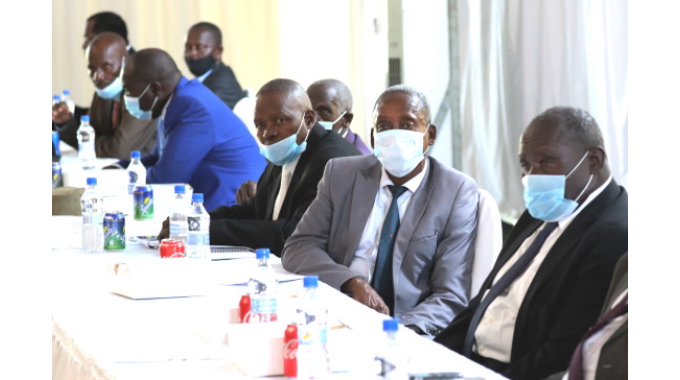
Nqobile Tshili, Chronicle Reporter
THE mandate given to chiefs to conduct public hearings and proffer solutions on Gukurahundi is in line with dictates of the African Union (AU), which demands home grown solutions to local problems.
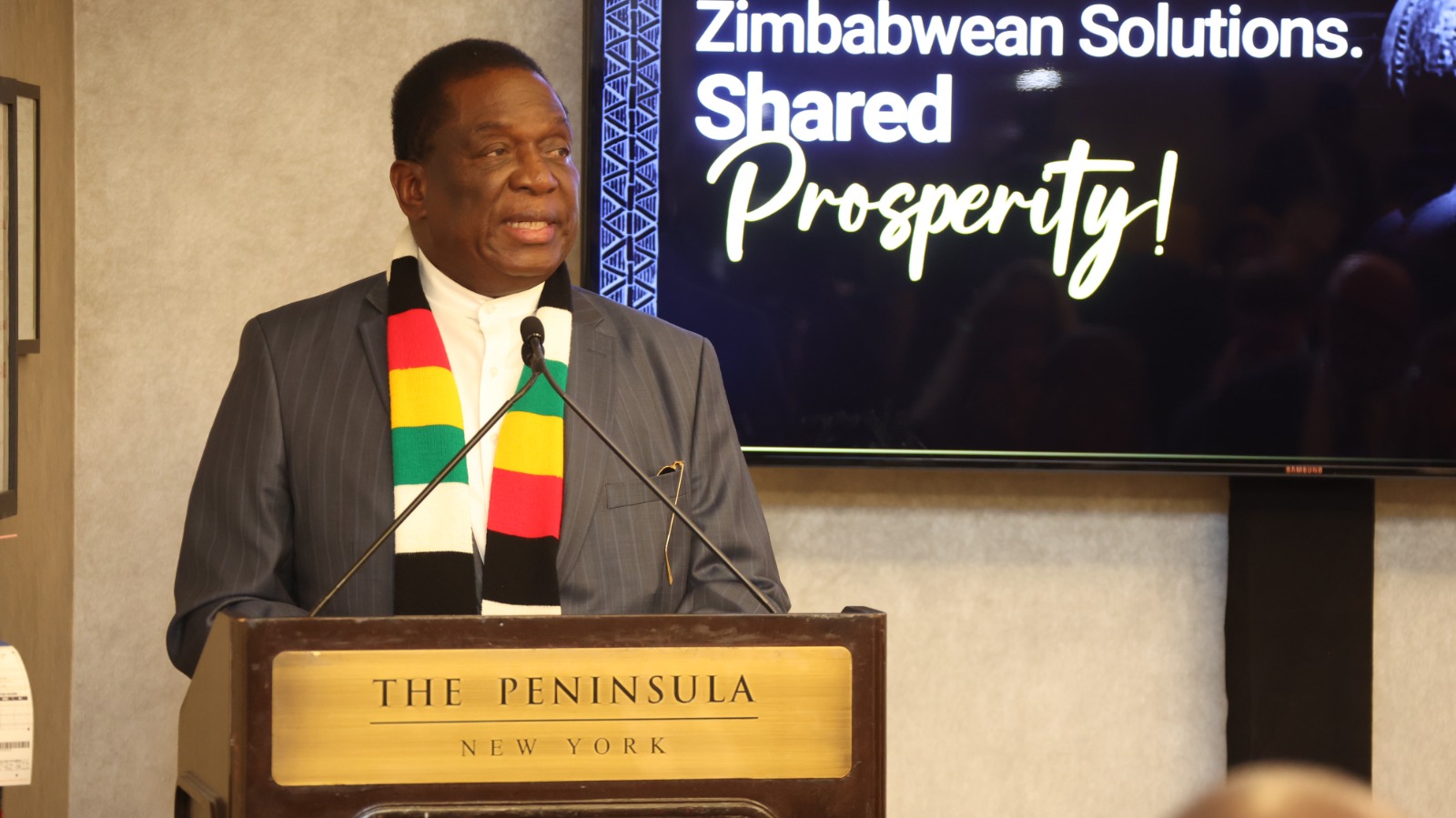
President Mnangagwa in consultation with chiefs resolved that the traditional leaders be in charge of resolving the 1980s Gukurahundi conflict and come up with solutions to the problem.
The President has said he has made it his personal mission to confront the country’s dark past and heal the nation.
As a result of Gukurahundi, some citizens do not have national documents and Matabeleland region and some parts of Midlands have lagged behind in terms of development.
AU Transitional Justice Policy which was adopted in 2008 recognises the role of traditional leaders in conflict resolution. Accordingly, the African Traditional Justice Mechanism aims to bring justice, peace, accountability, social cohesion, reconciliation and healing.
The policy encourages countries to support and respect community-based accountability mechanisms that seek to foster integration and reconciliation.
“Integrate generic African practices into international norms and standards that would enhance international commitment to end impunity and promote peace, justice and reconciliation. Recognize the contribution of positive traditional practices and customary norms in Africa that have proven to be useful complements to criminal prosecutions for certain categories of crimes,” reads part of the policy document.
Chiefs have established panels that will participate during the Gukurahundi public hearings as they are in the process of creating a road map for the landmark exercise.
The panellists will include church leaders, traditionalists, counsellors, women and the youth, who all will be expected to play different roles during the public hearings.
Chiefs are expected to undergo capacity building on conflict resolution before they start the public hearings which are expected to commence in the next few months.
Analysts have said the Government position of having traditional leaders lead the process follows the policy direction of AU.
A researcher with Centre for Mediation in Africa Ms Nontando Ndlovu said the mandate given to chiefs speaks to Africa coming up with solutions to its challenges in line with the AU Transitional Justice policy.
“In the discipline of conflict resolution, western methods of conflict resolution have often had a tendency of dismissing alternative potential options of resolving conflict. Indigenous value-systems have been silenced through westernisation. Effective mediation in conflict resolution needs to be context specific,” said Ms Ndlovu.
“Imposing western models of conflict resolution inevitably creates a disconnect in mediation as it does not take into account the specific needs of the indigenous people, denying them the opportunity to resolve conflict according to their terms. Involvement of traditional leaders is necessary in mediation efforts in Africa because it considers the historical context in which conflicts in the continent exist within.”
She said the process recognises the indigenous knowledge system that can easily be ignored by international commissions.
“It is an alternative practice of conflict and resolution that promotes perspectives and knowledge specific to local geo-political histories. It disrupts western power and knowledge systems that dominate and shape mediation processes. Mediation that recognises indigenous knowledge, norms, and values is valuable as it opens opportunities for inclusivity,” she said.
Ms Ndlovu said the involvement of traditional leaders have led to sustainable peace in some African countries.
“In Rwanda, traditional rulers played a key role in the gacaca court system that provided transitional justice to victims of the genocide. In Nigeria, traditional authorities have mediated between herders and farming communities in the north central states. And in Ethiopia, traditional authorities have resolved disputes over land and grazing routes,” she said.
“These western principles of conflict resolution often look at African indigenous knowledge systems from the lenses they have created rather than on the realities prevailing on the ground, perpetuating long standing power imbalances motivated by political and economic interests. The involvement of chiefs in resolving conflict will cement an African way of mediation that includes grassroots communities.”
Matabeleland Collective co-ordinator and Women of Zimbabwe Arise (Woza) director Ms Jenny Williams said it was essential to have home grown solutions as Gukurahundi affected the public at grassroot level.
“So, when we look at the solution it has to centre around the victim which already tells you that it must be bottom up. If we look at an issue like Gukurahundi which happened so many years ago, there have been no measures to heal and reduce trauma,” said Ms Williams.
“We will need to have a multi-stakeholder approach at village level and as Woza we are very happy that chiefs are involved and the chiefs will lead the process where they will convene their villagers and look at what the community says, how they say it and make recommendations. That will translate to healing at community level.”
She said they will be supporting the chiefs in ensuring that the hearings will become an inclusive participatory approach.
“So, now we feel that when we adopt a domestic approach like this one you give more congruent, it is more relevant to the community that you are dealing with. So, we are happy that the Government and His Excellency has seen the wisdom of that. And now it will become a reality that local communities are themselves the leaders of their own healing,” she said. — @nqotshili



 Online Reporter