Nqobile Tshili, [email protected]
TRADITIONAL leaders across the country have expressed optimism for a bumper harvest this summer season, a development expected to bolster household food security as the country emerges from a devastating El Niño-induced drought.
Zimbabwe recently experienced one of its worst droughts since independence nearly 45 years ago, leaving over six million people food insecure. Communal farmers also suffered significant livestock losses due to depleted pastures.
However, the La Niña weather phenomenon has brought improved rainfall, offering renewed hope to rural communities that had relied on Government food aid.
The heavy rains have replenished most communal dams, ensuring a stable water supply for domestic use, livestock and irrigation.
National Council of Chiefs president, Chief Mtshane Khumalo, said the favourable conditions have raised expectations of a successful farming season, particularly for those who embraced the Government’s Intwasa/Pfumvudza conservation farming method.
“This year’s farming season is much better compared to last year. Communities that planted early under the Intwasa/Pfumvudza programme are expecting a bumper harvest,” he said.
However, Chief Mtshane Khumalo noted some farmers relying on cattle-drawn ploughing faced delays in planting, as many animals had not yet recovered from the effects of drought.
Despite this, he expressed confidence that food availability will improve.
“I am confident that even those who may not harvest much will not struggle, as grain will be readily available within communities, making food more accessible and affordable,” said Chief Mtshane Khumalo.
Chief Mtshane Khumalo said that in most areas, community dams are full, ensuring a stable water supply.
“Even the boreholes that had dried up due to low water tables are now functioning again. The abundant rains have also ensured that dams are spilling, which is promising for both human consumption and livestock needs in the coming months,” he said.
Chief Mtshane Khumalo said the improved harvest will alleviate pressure on the Government, which had been forced to allocate additional funds for food aid.
He said that while the Government provided grain to many communities, challenges in transporting it to remote areas persisted.
Chief Nkalakatha from Nkayi, Matabeleland North, echoed similar sentiments, saying his community is already harvesting fresh maize, helping to mitigate food shortages.
He said the community is still receiving grain from the Government as part of the drought mitigation efforts.
“We were experiencing transport challenges before the community resolved to pay US$3 for the transportation of maize. So, all the glitches that were there in terms of transporting the relief grain are now over,” said Chief Nkalakatha.
He said the improved harvest will further reduce reliance on food aid.
“Furthermore, we are expecting a better harvest this year, which will alleviate the drought that we experienced in the past year,” said Chief Nkalakatha.
In Matabeleland South, Chief Maduna from Insiza District said there were positive developments, attributing the improved agricultural outlook to the sustained rainfall.
Chief Madlambuzi from Bulilima added that livestock, which had been severely affected by the drought, are now recovering due to improved grazing conditions.
“We are coming from a difficult period where the drought was not only affecting the people but their livestock. Since the rains intensified, pastures have improved and the animals are now in good shape,” he said.
“We are also grateful to the Government that was able to provide our people with grain during the peak of the drought. Now, some have already started harvesting fresh maize from their fields.”
Meanwhile, the Government has said it managed to deliver 74 percent of the total relief grain to vulnerable communities, despite delays in Treasury payments to transporters.
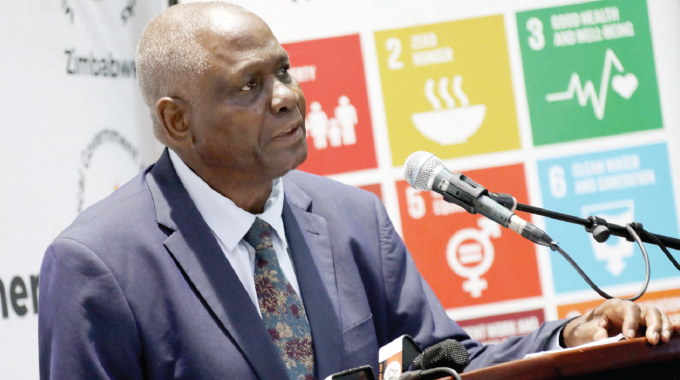
Presenting a ministerial statement before the National Assembly, Public Service, Labour and Social Welfare Deputy Minister Mercy Dinha, acknowledged financial constraints that slowed food distribution efforts.
She said that during the first phase of grain distribution, her ministry distributed 89 per cent of the grain, with 72 percent being distributed in the second phase, while 62 percent received aid in the last phase.
“The fourth blitz food distribution phase is underway, although at a slow pace as various depots in provinces like Manicaland, Mashonaland East, Masvingo, Matabeleland South and Midlands have run out of stocks. Manicaland and Mashonaland East are withdrawing their tonnage from concession depots with assistance from well-wishers,” said Deputy Minister Dinha.
She said Treasury has released ZiG40 million to clear transport arrears, which is, however, only a fraction of the ZiG238 million owed to transporters.
Deputy Minister Dinha urged Treasury to expedite the release of funds to ensure the smooth transportation of grain to those in need. — @nqotshili