

 dyton mupawaenda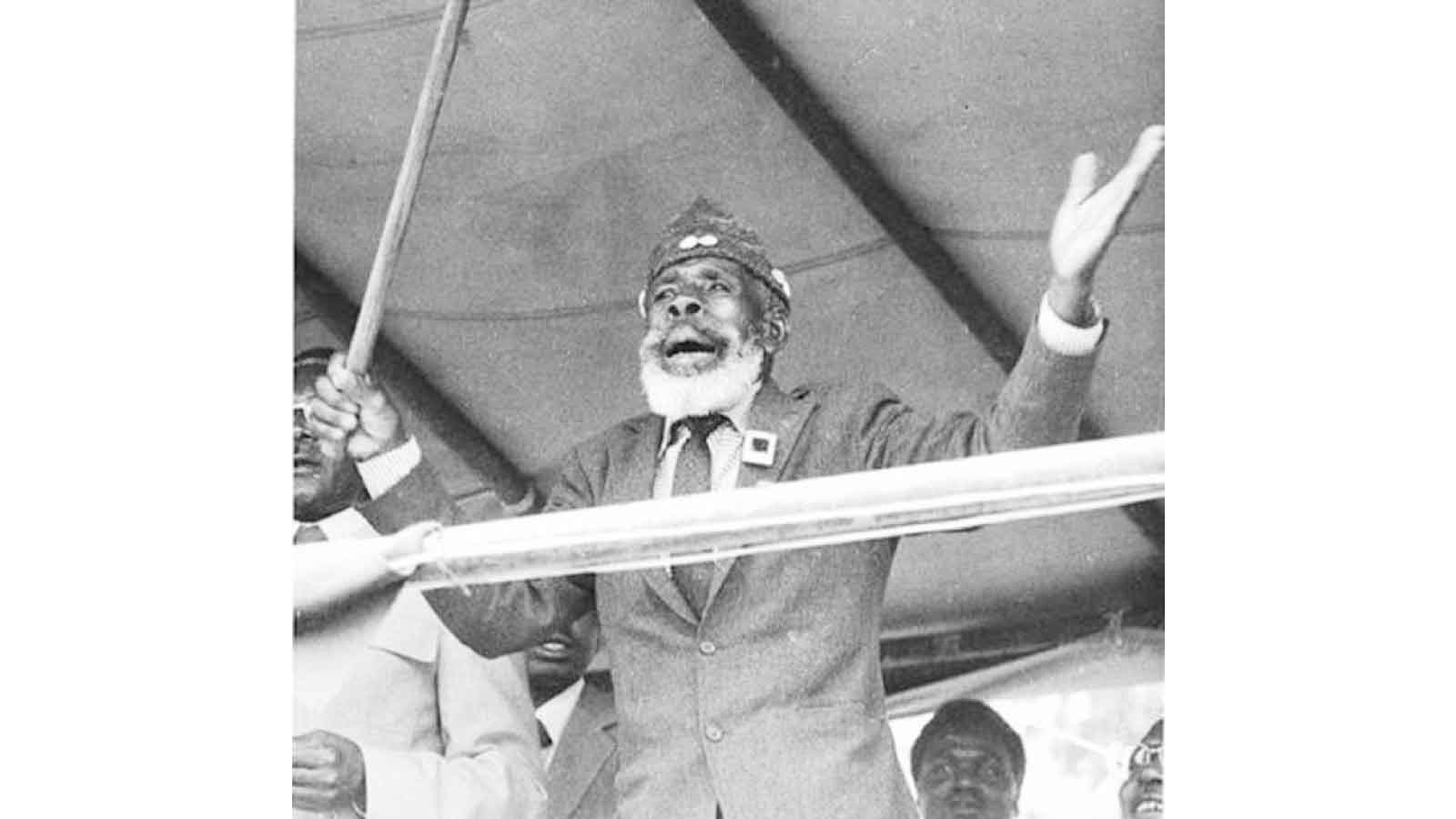
Richard Muponde-Zimpapers Politics Hub
ZIMBaBWE’s liberation struggle was fought not only by armed freedom fighters operating from the mountains, forests and villages, but also by ordinary rural communities under the guidance of traditional leaders.
While the bravery of guerrilla fighters has rightly occupied a central place in the country’s liberation history, the indispensable contribution of traditional chiefs deserves equal recognition.
Across much of rural Zimbabwe, chiefs became the bridge between local communities and liberation movements, using their customary authority to mobilise, protect and sustain the struggle that culminated in Independence in 1980.
Although the experiences of chiefs during the liberation war varied from one area to another, historical evidence demonstrates that many traditional leaders became trusted allies of the nationalist movements.
Others found themselves trapped between loyalty to their communities and intense pressure from the Rhodesian administration. This complex history reflects the difficult realities of a protracted liberation war rather than a simple division between heroes and collaborators.
Traditional leadership and the roots of resistance
The involvement of traditional leaders in resisting colonial domination pre-dates the Second Chimurenga. During the First Chimurenga of 1896-97, chiefs, spirit mediums and local communities united against the invasion of the British South Africa Company.
Spiritual leaders such as Mbuya Nehanda and Sekuru Kaguvi, among others, inspired resistance, while chiefs mobilised their people to defend their ancestral lands.
Chief Musarurwa said the liberation struggle spanned generations, with traditional leaders serving as custodians of the land from the First Chimurenga through the Second Chimurenga.
“My ancestors, including Musarurwa Gwangwava, who was consulted by Mbuya Nehanda and Sekuru Kaguvi, fought colonial rule, while Gwangwava Sango and other chiefs later supported the Second Chimurenga by organising traditional ceremonies and providing food supplies, including millet, to sustain freedom fighters until Zimbabwe attained independence.”
Such oral traditions reinforce the widely held view that traditional leadership regarded the struggle for land and sovereignty as an intergenerational responsibility.
Custodians of communities during the Liberation War
The liberation war depended heavily upon rural communities. Guerrilla fighters required food, shelter, intelligence, safe routes and local knowledge to survive in hostile environments.
Chiefs were uniquely positioned to facilitate this support because they commanded respect and exercised customary authority within their communities.
Many chiefs encouraged villagers to provide food for freedom fighters. Grain, particularly millet, maize and sorghum, became essential supplies sustaining guerrilla operations.
Traditional ceremonies conducted under the authority of chiefs also reinforced community solidarity while providing opportunities for communication between liberation fighters and villagers.
Chiefs worked closely with village heads, spirit mediums, mujibhas and chimbwidos who formed the backbone of local support structures. Mujibhas gathered intelligence, while chimbwidos transported food, carried messages and cared for wounded combatants.
Chiefs often coordinated these activities discreetly, ensuring that communities remained organised despite constant surveillance by Rhodesian Security Forces.
Chief Rekayi Tangwena: A symbol of defiance
Among Zimbabwe’s traditional leaders, few figures command as much historical respect as national hero, Chief Rekayi Tangwena, popularly known as Simboti.
Chief Tangwena became internationally recognised for resisting forced eviction from ancestral lands in the eastern highlands after colonial authorities allocated large tracts to white commercial farmers. Despite repeated arrests, imprisonment and destruction of his homesteads, he refused to abandon his people’s ancestral territory.
His resistance transcended local land disputes. During the liberation struggle, Chief Tangwena provided sanctuary and support to nationalist leaders, including the future President Robert Gabriel Mugabe, when he returned to Zimbabwe after his release from detention. His steadfast commitment earned him recognition as one of the most courageous traditional leaders of the liberation era.
Chief Tangwena’s legacy illustrates how traditional leadership combined defence of ancestral land with support for political liberation, making him an enduring symbol of resilience.
The many faces of traditional leadership
Beyond Chief Tangwena, several traditional leaders and their communities played notable roles in supporting liberation movements. Chiefs in areas such as Chiweshe, Makoni, Seke, Mutoko, Zaka, Gutu and Buhera provided varying levels of assistance to guerrilla forces operating within their jurisdictions.
Traditional leaders frequently warned guerrillas of impending Rhodesian military operations, identified safe crossing points across rivers and mountains, and facilitated communication between different operational zones. Their intimate knowledge of local geography proved invaluable to both ZANLA and ZIPRA forces.
Many chiefs also used customary courts and community gatherings to maintain social cohesion during periods of heightened insecurity. Their influence helped minimise internal disputes that could have compromised liberation activities.
When Chiefs faced impossible choices
The liberation struggle also exposed traditional leaders to extraordinary pressures. The Rhodesian government relied upon a system of indirect rule that incorporated chiefs into the colonial administrative framework. Chiefs were expected to collect taxes, maintain order and report nationalist activities.
Failure to comply often resulted in arrest, detention, torture, dismissal from office or violent reprisals against entire communities. Some chiefs therefore attempted to remain publicly neutral while secretly assisting guerrillas.
Others openly collaborated with the Rhodesian administration. Historical accounts identify individuals in Mashonaland and Matabeleland among those viewed by nationalist movements as having aligned with the Rhodesian authorities. In some districts, certain chiefs cooperated with Security Forces by reporting guerrilla movements or encouraging compliance with colonial directives.
However, historians caution against broad generalisations. Collaboration occurred under varying circumstances, including coercion, political conviction, fear for community safety or survival. Understanding these complexities is essential to producing a balanced historical assessment.
Traditional authority beyond military support
The contribution of chiefs extended beyond logistical assistance. Liberation fighters recognised that traditional authority remained deeply respected among rural populations. Securing the confidence of chiefs often enhanced the legitimacy of nationalist movements within local communities.
Traditional ceremonies performed under chiefs’ supervision reinforced cultural identity at a time when colonial policies sought to weaken African institutions. Spirit mediums, chiefs and village elders frequently worked together, blending political mobilisation with cultural and spiritual resilience.
This relationship strengthened the moral foundation of the liberation struggle by connecting military objectives with longstanding aspirations for land, dignity and self-determination.
Recognition in independent Zimbabwe
Since independence, successive governments have acknowledged the contribution of traditional leaders to national liberation and rural development.


 Online Reporter
We cannot sanitize history for expediency. We had traditional leaders who cooperated with the enemy for selfish gains. It’s public knowledge that traditional leaders like Khayisa Ndiweni, Jeremiah Chirau and a few more were collaborating with Ian Douglas Smith and the Rhodesia regime. In districts such as Bikita, Gutu and Zaka guerrillas found it very risky to operate in because most traditional leaders were sell-outs. This is public knowledge. Lest we forget, a lot of our freedom fighters perished due to the selling out by certain traditional leaders in several parts of the country.