Zimpapers Writer
CHILDREN with disabilities must be deliberately included in national planning, budgeting and public service delivery if Zimbabwe is to realise its commitment to leaving no one and no place behind, acting director of disability affairs in the Ministry of Public Service, Labour and Social Welfare, Mrs Laizah Chaurombo, has said.
Her remarks come as Government continues implementing policies, which align with Vision 2030 and the National Disability Policy, which seek to promote equal opportunities, accessibility and social inclusion for persons with disabilities.
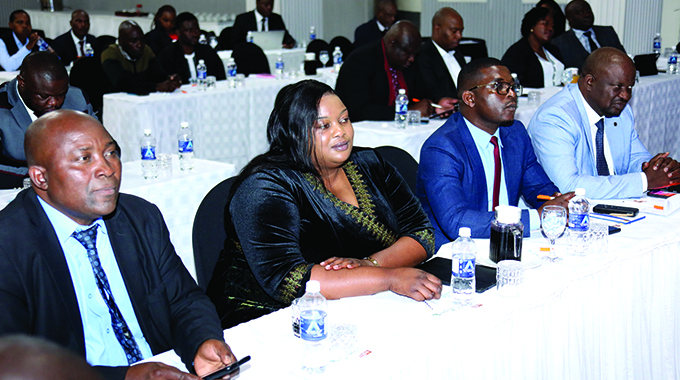
Speaking on the sidelines of the National Child Protection Conference, which ended on Friday in Bulawayo, Mrs Chaurombo said children with disabilities were among the country’s most
vulnerable groups and are often excluded from development programmes because many remain unidentified within their communities.
“We want every plan and budget to remember children with disabilities, who are sometimes hidden. They need assistance to identify them and link them with essential services ranging from health and education to counselling and social support,” she said.
Mrs Chaurombo said meaningful inclusion must go beyond policy commitments and translate into practical support that enables children with disabilities to access quality education, healthcare, rehabilitation services and social protection on an equal basis with other children.
She said families and caregivers also require sustained assistance to enable them to effectively care for children with disabilities and safeguard their rights.
Mrs Chaurombo said Government’s goal is to ensure that no child is left behind because of disability. She said families also need support so they can adequately meet the needs and uphold the rights of children living with disabilities.
Mrs Chaurombo highlighted several Government programmes aimed at empowering persons with disabilities and promoting economic independence.
These include the disability vocational training fees programme, which sponsors students with disabilities to pursue university degrees, technical training and vocational qualifications, as well as empowerment loans designed to help beneficiaries establish income-generating projects and sustainable businesses.
“We also provide empowerment loans so that people with disabilities can start their own businesses and become economically independent,” said Mrs Chaurombo.
She said Government was also promoting disability inclusion in the workplace through Public Service Commission guidelines that encourage the recruitment of persons with disabilities, provide for reasonable workplace accommodation and support the modification of public infrastructure to improve accessibility.
Mrs Chaurombo said inclusive development requires stronger collaboration between Government, civil society organisations and development partners.
“We want to work with civil society organisations to capacitate them and ensure they are inclusive in the work they are doing. We also want all ministries and workplaces to be accessible so that children and adults with disabilities continue to benefit,” she said.
The conference brought together Government ministries, development partners, traditional leaders, civil society organisations and child protection practitioners to review progress in safeguarding children’s rights and strengthening protection systems.
Delegates emphasised the need to prioritise vulnerable groups, particularly children with disabilities and those living in rural and hard-to-reach communities, through inclusive policies, increased investment in social services and stronger community-based protection mechanisms.
The conference’s resolutions are expected to contribute to Government’s ongoing efforts to strengthen child protection systems under the Second Republic’s broader agenda of inclusive, people-centred development in line with Vision 2030 and the National Development Strategy 2 (NDS2)