Tendai Gukutikwa
Health Reporter
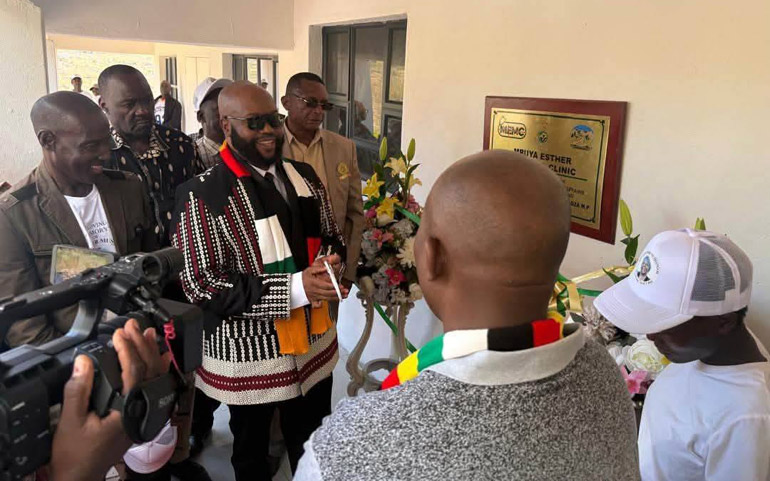
RURAL communities in Chimanimani are set to enjoy improved access to healthcare following the commissioning of Mbuya Esther Memorial Clinic in Ward 17 by Minister of State for Manicaland Provincial Affairs and Devolution, Advocate Misheck Mugadza, last weekend.
The facility, built by South Africa-based philanthropists, Mrs Joyce Kumbirai and her husband in honour of their late mother, Mbuya Esther Mushanguri, is expected to transform access to medical services for hundreds of families who previously travelled more than 15 kilometres to reach the nearest health centre.
Renowned for her compassion, generosity and commitment to community welfare, Mbuya Esther’s legacy now lives on through a health institution that is poised to serve generations to come.
The clinic has since been handed over to Chimanimani Rural District Council for administration and integration into the public healthcare system.
Officially commissioning the facility, Minister Mugadza described the project as a significant milestone in efforts to improve access to primary healthcare in rural communities in line with Vision 2030 and the National Development Strategy 2 (NDS2).
“The new clinic demonstrates the Second Republic’s commitment to bringing quality primary healthcare closer to our rural people, guided by Vision 2030 and National Development Strategy 2.
“We applaud His Excellency President, Dr Emmerson Mnangagwa for prioritising grassroots development as we strive to ensure that no one and no place is left behind,” he said.
Minister Mugadza said the clinic addresses a long-standing challenge faced by communities in Ward 17 and surrounding areas, where locals often travelled long distances to seek medical attention.
He noted that the burden fell particularly heavily on pregnant women, young children and elderly people, many of whom require regular access to healthcare services.
“For locals, this facility addresses a long-standing challenge. Many previously travelled more than 15 kilometres to access the nearest health centre, a struggle that particularly affected pregnant women, young children and the elderly,” he said.
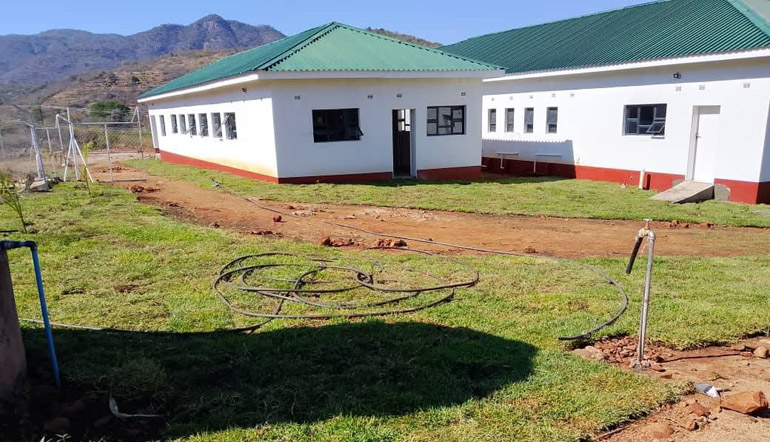
The clinic is expected to improve access to essential healthcare services, including antenatal and postnatal care, childhood immunisation, outpatient treatment and disease prevention programmes.
Health experts believe the facility will also play a crucial role in reducing maternal and neonatal illnesses and deaths by ensuring expectant mothers can access healthcare services closer to their homes.
“The clinic will strengthen maternal and child healthcare, improve immunisation coverage and support the prevention of diseases in the area,” said Minister Mugadza.
Beyond curative services, the facility is expected to become a focal point for health education and disease surveillance, supporting interventions targeting cholera, HIV and AIDS, malaria, malnutrition and climate-related diseases.
However, Minister Mugadza stressed that constructing the facility was only the beginning, calling on health authorities and the local authority to ensure that the clinic is adequately staffed, equipped and supplied with medicines.
“I urge the Chimanimani Rural District Council and health authorities to ensure that this facility is fully staffed and adequately stocked with essential medicines and equipment,” he said.
He said the success of the clinic will depend, not only on infrastructure, but also on the availability of qualified health personnel and adequate resources to provide reliable services.
Minister Mugadza also called on traditional leaders, healthcare workers and community members to take ownership of the facility and protect it from vandalism, theft and misuse.
“I further encourage communities, traditional leaders and medical personnel to safeguard this vital asset and deliver compassionate, professional care to all who seek treatment,” he said.
He emphasised the importance of active health centre committees to ensure community concerns are addressed and that the facility remains responsive to local healthcare needs.
For local residents, the opening of the clinic marks the end of years of hardship associated with travelling long distances to access healthcare.
Mrs Christine Machingura welcomed the development, saying it will significantly ease the burden on families seeking treatment.
“We are happy to have a clinic closer to our homes because travelling long distances to seek medical attention has not been easy for many families. There are times when a person falls ill and needs immediate attention, but the distance makes it difficult to get help quickly,” she said.
Mrs Machingura said the facility will be particularly beneficial to pregnant women and mothers with young children who require frequent visits to health centres.
“We hope that expectant mothers will now be able to attend their antenatal appointments more easily and that children will receive their vaccinations on time. This is an important development for our community, and we hope the clinic will have the medicines and health workers needed to serve everyone,” she said.
Another villager, Mr Thomas Saurombe, said the clinic will spare families the expense and inconvenience of travelling to distant health facilities.
“Going to a health facility that is far away means spending money on transport, and this can be a challenge for families. Having a clinic nearby will make it easier for people to seek treatment when they are sick instead of delaying until their condition becomes worse,” he said.