admin
admin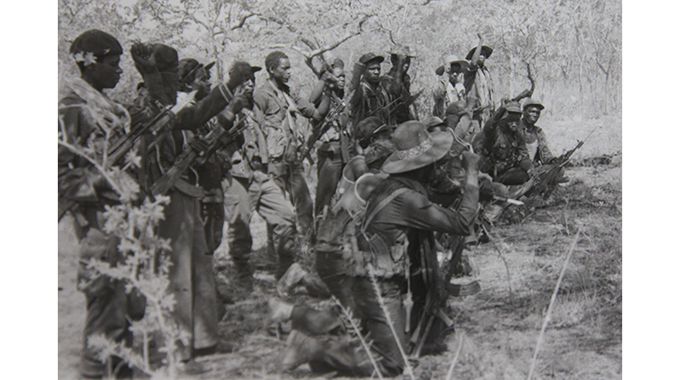
Arts Reporter
The Institute of African Knowledge has launched the Chimurenga Music Competition in conjunction with the Zimbabwe Broadcasting Corporation (ZBC), which will see local artistes doing renditions of revolutionary songs or making new compositions.
The competition will run from November 2 to November 23 under the theme, “Relieving the Chimurenga Inspirational Songs in Modern day Zimbabwe”, where musicians are expected to submit their songs.
The first prize winner will walk away with a car, a recording contract and US$2 000, while second winner will pocket US$1 000 and a car. The one in third place will receive US$500.
The competition is open to musicians aged between 16 and 40 and the music piece should be no less than 30 seconds and not more than five minutes.
Speaking at the launch yesterday, Information, Publicity and Broadcasting Services Minister Monica Mutsvangwa said the opportunity presented to youths to remix and recreate Chimurenga songs and music was noble and exciting.
She said this should be a motivation for youths to write their own history and be remembered as the creators of a winning liberation song — long after the actual war.
“The Institute of African Liberation is commended for initiating this competition and giving our youths an opportunity to be part of history making Zimbabwean musicians who date back to the actual liberation war,” said Minister Mutsvangwa.
“This is a wonderful initiative invoking strong emotions.
“It is another avenue of addressing the still burning wound of bereavement closure, 40 years since the war ended.”
Minister Mutsvangwa said from time immemorial, music has been used as a medium of expressing emotions; be it sadness or happiness, be it inspiration or as a cultural expression by all people from different societies.
“Music has been such a part of our lives that there is no aspect of our daily living which can ignore music,” she said. “African tradition has used music as a medium to engage our ancestry for spiritual connection.”
Minister Mutsvangwa said music had been used to oil family celebrations like the birth of a new baby, lifetime achievements of loved ones, as well as marriage ceremonies.
“Music, has also been a part of our sad moments like during times of bereavement,” she said. “Collectively, Zimbabwe has also seen music being used as a tool for bringing the nation together for a given cause. The liberation struggle was also supported by music pieces which were composed for purposes of sending messages to different audiences and for different purposes.
“During the liberation struggle, music was used to communicate with the outside world, as well as inspiring the fighters on the ground into battle. Typically, music carried many emotions for cadres in the battlefront and it became part of the fabric of the armed struggle.
“Music was a strategic psychological, emotional and inspiration tool used in the armed struggle. It is, therefore, critical that we carry on with the spirit of music post-armed struggle to carry with us the pleasure and effect of music on our people as we live on into our independence – 40 years on.”
Almost every family in Zimbabwe lost someone close during the Second Chimurenga and while the initiative may not heal those that lost their loved ones, it may just assuage by revisiting the context of the people’s war. Minister Mutsvangwa called for research on yesteryear choirs so that their music could be replayed and people learn from the composers.
“Their music created bonds between the guerrillas and the masses,” she said. “As we run the competition, let us also dig into the background of Comrades Chinx Chingaira, Sekai Muchazotida, Sando of Zanu PF Choir. And Comrades Gift Nare and Solomon Skuza of ZAPU-LMG Choir.”
ZBC acting chief executive officer Ms Helliate Rushwaya said local music always had a part of the national history.
“This competition is for the young artists that work very hard to raise our country flag high,” she said.
“It is a celebration and dedication to the old revolutionary songs that played a key role in inspiring Zimbabweans.”


 Online Reporter