Daniel Chigunwe
Herald Correspondent
CHINA has reaffirmed its commitment to supporting Zimbabwe’s transition from exporting raw minerals to developing a value-added mining industry, with major investments in lithium processing expected to strengthen the country’s industrialisation drive.
Chinese Ambassador to Zimbabwe Zhou Ding said Chinese mining companies were increasingly investing in downstream processing facilities, supporting Zimbabwe’s ambitions under Vision 2030 and the National Development Strategy 2 (NDS2).
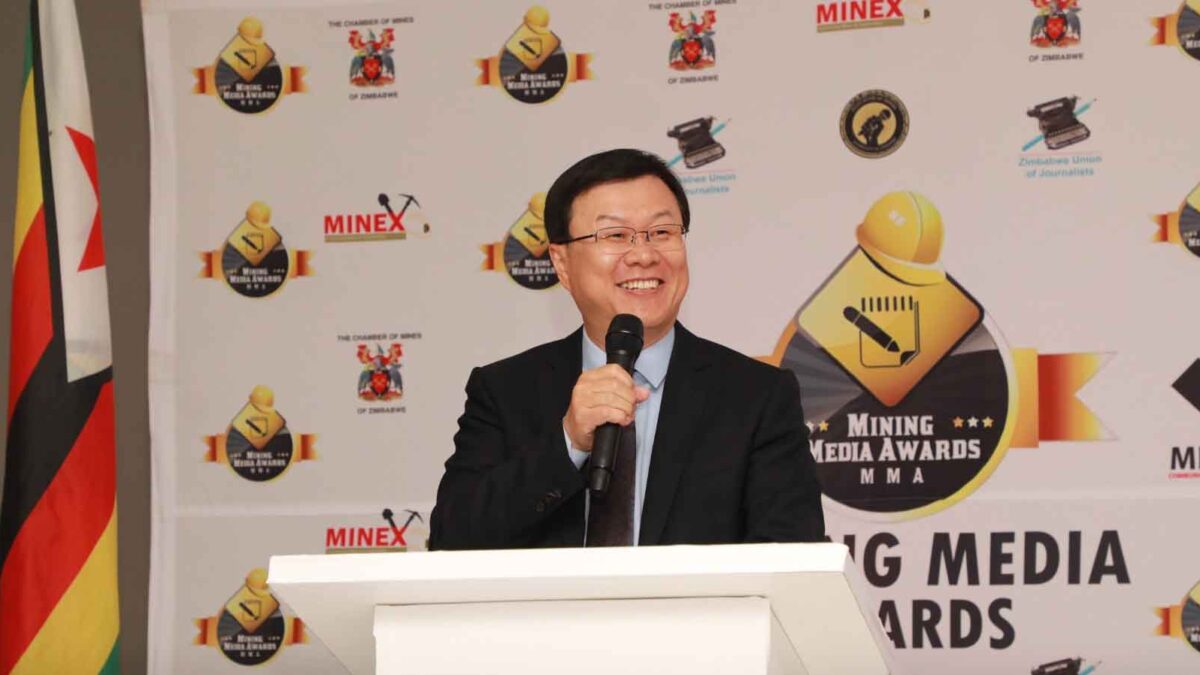
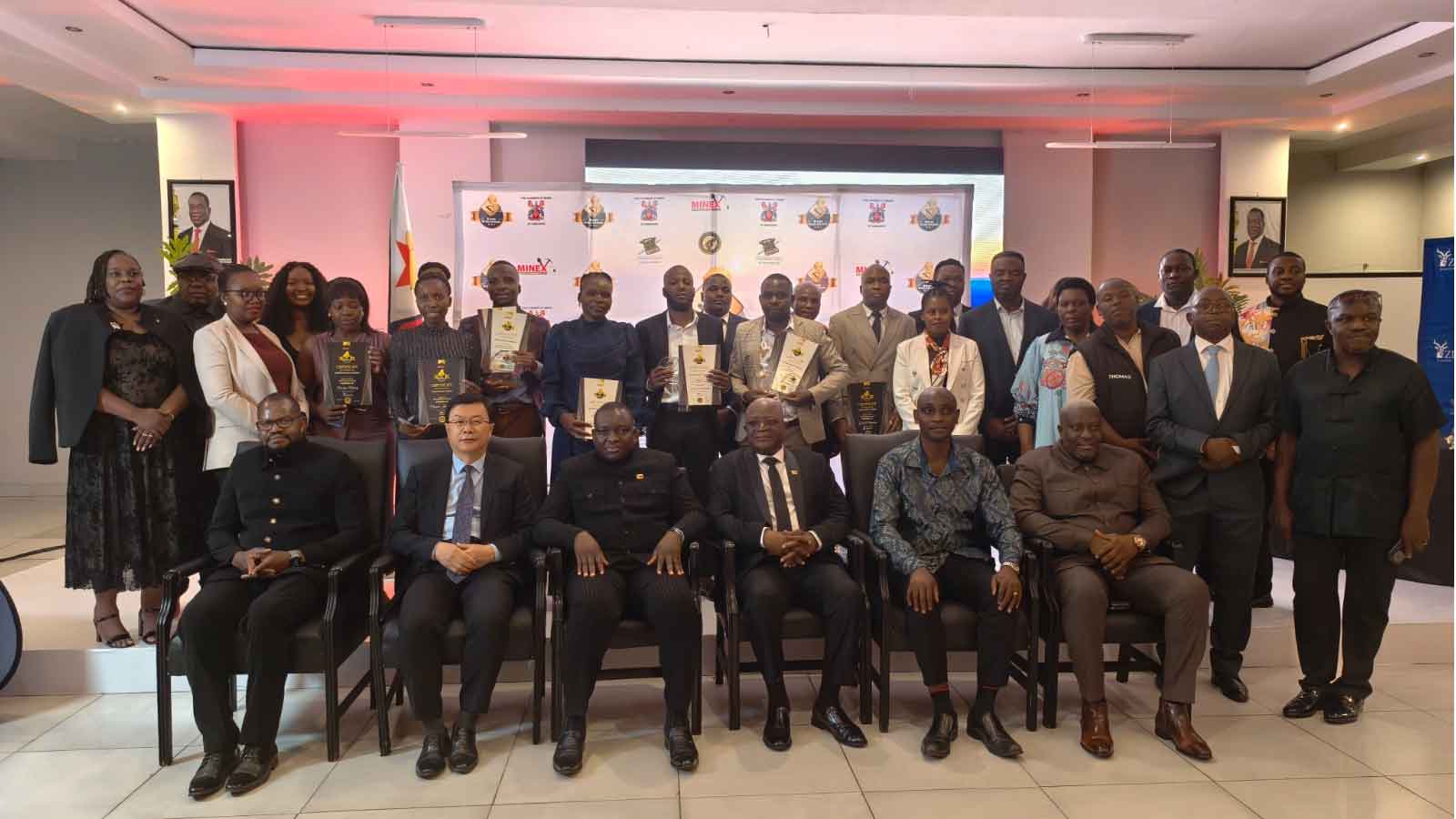
Speaking at the Mining Media Awards ceremony in Harare on Thursday, Ambassador Zhou cited progress at Huayou’s Prospect Lithium project, which has produced what he described as Africa’s first batch of lithium sulphate, with an annual production capacity of 50 000 tonnes.
“Sinomine’s Bikita Minerals and Yahua’s Kamativi Mining Company are also constructing lithium sulfate plants, scheduled for commissioning next year,” he said.
The developments come as Zimbabwe seeks to maximise economic returns from its mineral resources by encouraging local beneficiation, industrial capacity development and employment creation.
Ambassador Zhou said China’s approach to mining cooperation with Africa was anchored on the principle that mineral resources should benefit their countries of origin.
“African resources belong to Africa,” he said, outlining Chinese President Xi Jinping’s four-point proposal on China-Africa mining cooperation.
He said the partnership should prioritise mutual benefit, high-quality development, industrial value addition and a fair and open investment environment.
Beyond mineral processing, the Chinese envoy identified energy security as another critical component of Zimbabwe’s industrialisation ambitions.
“Sustainable mining cannot happen without a reliable power supply,” he said.
He pointed to cooperation involving Hwange and Kariba South power stations, adding that planned solar and waste-to-energy projects were expected to contribute more than 1 000 megawatts of installed capacity, with investments exceeding US$700 million.
Ambassador Zhou said the projects would also generate employment and provide training opportunities for Zimbabweans.
He further highlighted the contribution of Chinese companies to community development through investments in schools, clinics, roads, boreholes and livelihood programmes.
According to the envoy, Chinese enterprises had channelled more than US$100 million into corporate social responsibility initiatives across the country.
He said sustainable mining partnerships also required responsible corporate conduct, compliance with local laws and respect for environmental and community obligations.
Ambassador Zhou urged Zimbabwe to maintain stable, transparent and predictable policies to attract responsible investors and support long-term industrial development.
“Stable, transparent and predictable policy frameworks, together with a level playing field for business, serve Zimbabwe’s national interests,” he said.
He said China stood ready to work with Zimbabwe in creating an investment environment that would support mineral beneficiation, skills transfer and broader economic development.
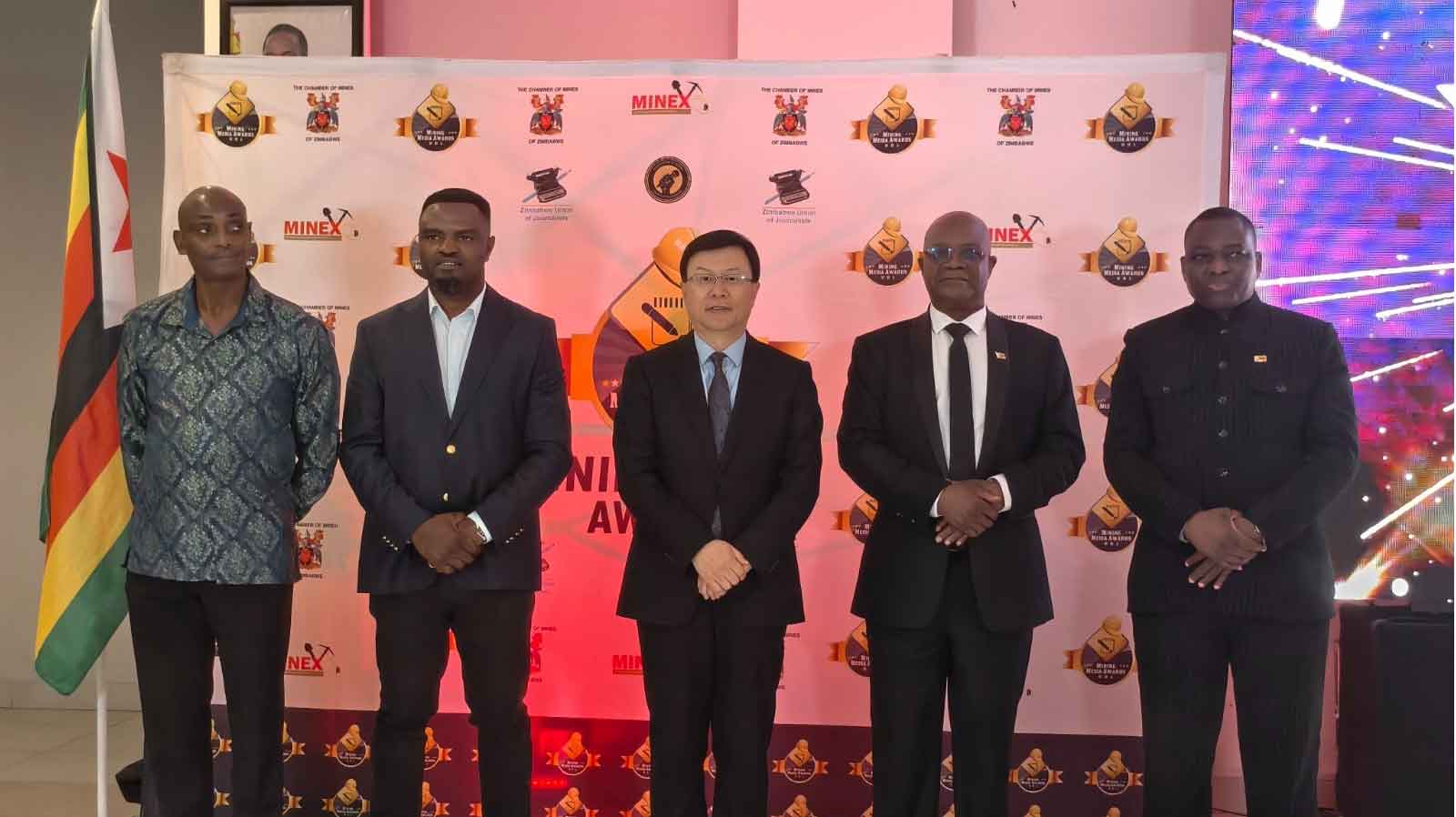
The Mining Media Awards were held under the theme, “Build, Protect, Sustain Media Relations In A Digital Age”.