Online Reporter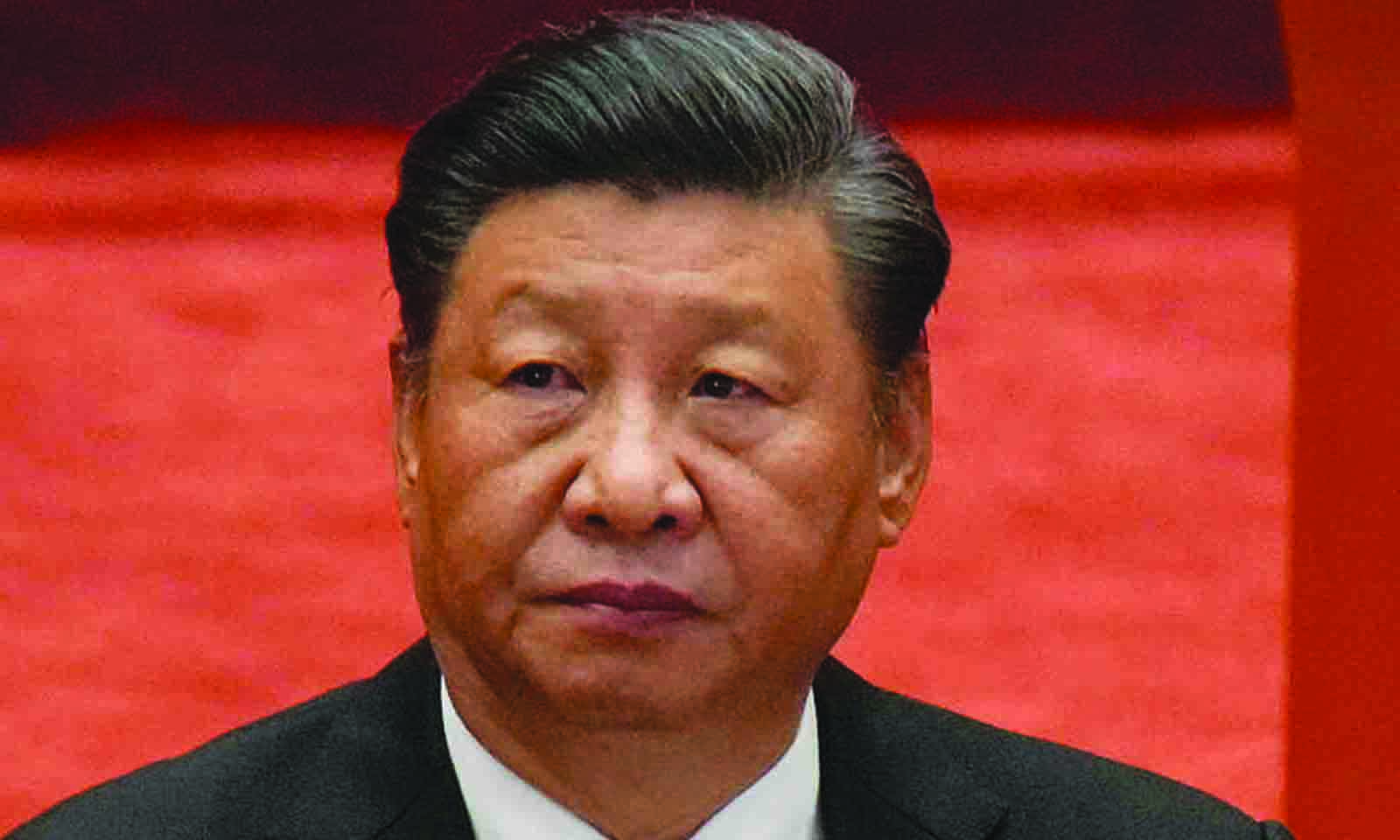
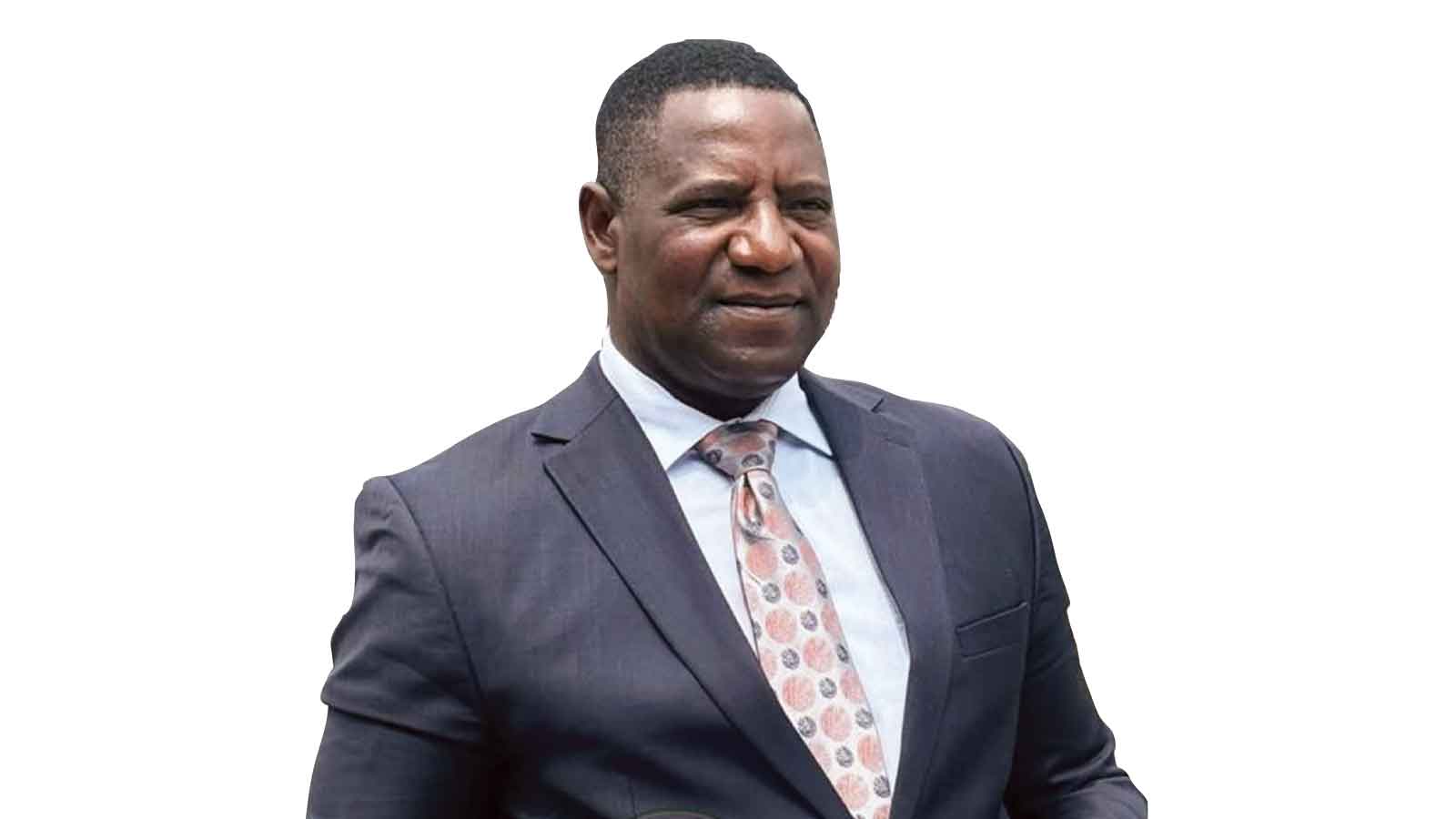
Gibson Nyikadzino
In Uppsala, Sweden
THE Western political establishment knows its time in global leadership has come to an end, though no political leader wants to take that responsibility and tell Western citizens that “it is over.”
They are trying to prolong their dominance, yet the prophetic handwriting on the wall reads, “Mene, mene, tekel upharsin” (the end is near).
This is a natural order, an evolution or development because empires come and go; they rise and fall and, in other cases, never return.
At one point, the Dutch, the Portuguese, and the French were all global powers. Each time a hegemonic succession occurred, where a rising power sought to dislodge a ruling power, a global war followed.
The Dutch mainly dislodged the Portuguese as the dominant global power in the 17th century, and the Dutch were subsequently displaced by the British and the French after major wars, including the Anglo-Dutch War. The British Empire then became the chief power.
As British hegemony ended at the conclusion of the Second World War, and a major power, the USA, took the global lead, there was no war in this succession because the two powers are “civilisational cousins.”
Now, a rising China, without fighting any war, has unsettled the West and defied the natural global succession when it comes to two different civilisations.
Tradition suggests that in the cyclical nature of both economic and politico-military developments, the succession of hegemonies has been characterised or preceded by global wars.
However, though China is positioning for peace and maintaining its defensive foreign policy, the possibility of a power transition accompanied by a global-scale war is not to be discarded altogether.
A dawning global political reality that is now easy to understand is that no empire can rule the world infinitely.
Conspiring against whom?
What is difficult to understand is the USA’s attitude towards China. China looks and talks highly of the US.
They want to be great friends and allies with the USA, yet the USA constantly treats them as an enemy. The USA is now feeling increasingly insecure because China is rapidly progressing.
After watching China’s September 3 military parade, US President Donald Trump, in reference to China’s Xi Jinping, posted this on his Truth Social media platform: “Please give my warmest regards to Vladimir Putin and Kim Jong Un, as you conspire against the United States of America.”
This is not so. No country is conspiring against the USA or any other. It is wrong to explain global developments and everything using a Western lens.
China, North Korea, and Russia are each representing their interests, which are part of their strategic partnership in pursuit of those interests.
The military parade in China was not about Western countries, but was about Global South diplomatic initiatives without Western countries.
The USA and its allies should also realise that each country represented at the colossal military parade in China has its own interests and was trying to promote and secure them.
Zimbabwe, too, had to be there!
Zim, Brazzaville, Africa
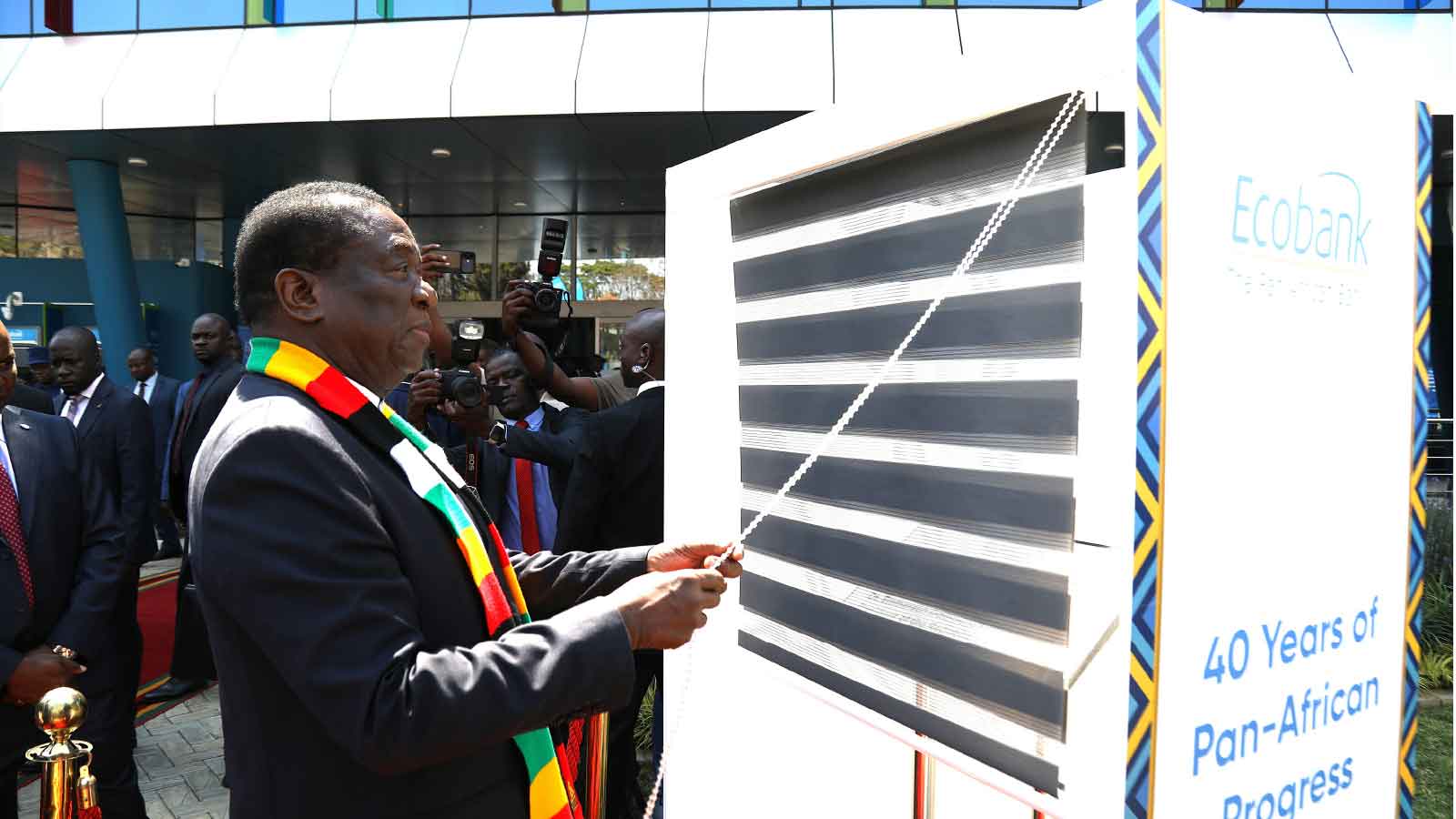
In 2015 when China held the same military parade, at least five African leaders were present, compared to last week’s two: Zimbabwe’s President Mnangagwa and Congo-Brazzaville’s Dennis Sassou Nguesso.
Zimbabwe and China have been reliable partners since 1980; hence, without hesitation, the country had to be represented as there were economic partnership agreements that Zimbabwe also needed to finalise. Western observers have tried to besmirch the Sino-Africa cooperation by exploiting the “anomaly” that Africa was not “well represented.”
Two factors are at play: African countries are being bullied by the West for openly associating with China, and secondly, the continent is being strategically silent or “mute,” knowing where its allegiances lie. Africa is pursuing strategic autonomy.
This does not mean that Sino-Africa ties are weak. What some observers are forgetting is that the engine of Sino-Africa ties is primarily anchored on infrastructure development, shared economic benefits, and development initiatives.
That President Mnangagwa sealed a major infrastructure deal in China means the two parties are keeping their ties strong where they matter most—the economy—also backed by military cooperation.
Economic diplomacy
The September 3 spectacle in Beijing was more than a military parade. The 26 countries whose leaders assembled there last week constitute half the world’s population.
The US, with a population that fits into China’s more than three times, only constitutes about 4.5 percent of the world’s population.
Thus, the Beijing meeting was a convention of more than 50 percent of the world, which alone should make everybody take notice, as the world was witnessing what happened there for the first time.
Secondly, the leaders who gathered there were mostly members of the BRICS+ conglomeration or alliance, based on economics, trade, and economic relationships.
This was an extraordinary coming together for a common cause that signalled how economic might can be a major catalyst for change compared to military might.
Calming the Global South
China perceives Global South countries as natural priority partners in efforts to build an alternative coalition based on an equitable redistribution of economic, social, and political power, signalling a just international order.
The Chinese are communicating to the Global South the integration of strategic themes of collective identity, anti-colonial solidarity, and reciprocal development, while collectively pushing for reforms in the international order as the West’s hegemony diminishes.
African countries now have an opportunity to pursue their interests, too, without being coerced.
Also, if Africa raises economic participation and development, it will be easy to translate that into military strength, as the continent has to step up as its own security guarantor.
Whatever Africa does, it has to be reinforced within the framework of the Global South’s strategic partnerships amid evolving geopolitical alignments.
These shifts underscore China’s growing soft power and the changing dynamics of international diplomacy.