

 Online Reporter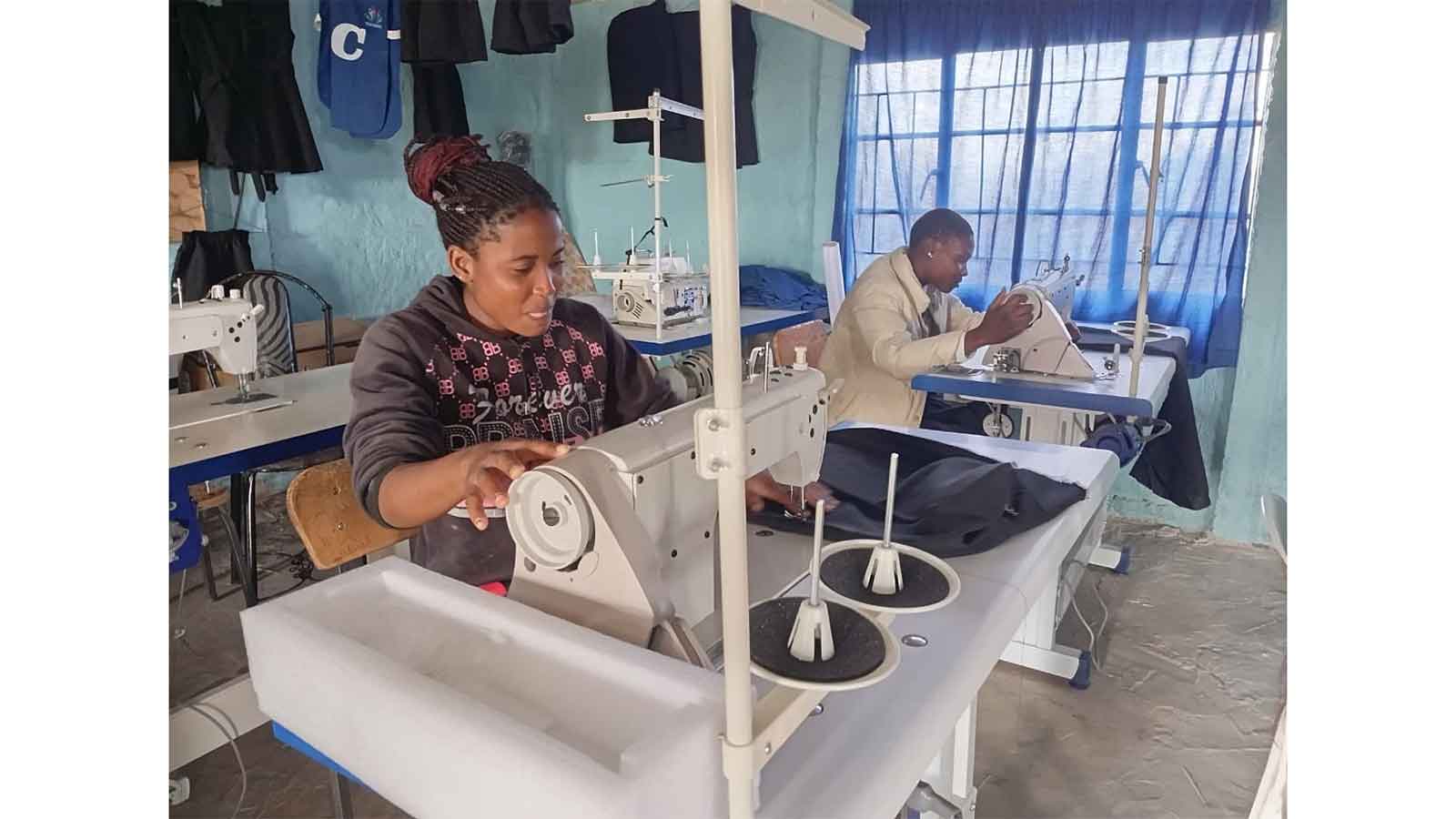
Zimpapers Politics Hub
Over 200 vulnerable youths and women from high-density communities have been empowered with life-changing skills in sewing and poultry production following an intervention by the Chinese Embassy through its Hope Harbour initiative.
In a statement, the director of Teen Rescue Mission, Dr Abraham Matuka expressed profound gratitude to China for its support, which he said had brought tangible transformation and self-reliance to many who were previously trapped in the cycle of poverty and idleness.
“As Teen Rescue Mission, we would like to express our sincere gratitude to the Chinese Embassy for the support extended through Hope Harbour to Teen Rescue Mission last year. The assistance has made a significant impact in our community, especially among youths and women,” said Dr Matuka.
The programme, which ran throughout last year, saw 84 young girls acquire practical tailoring and sewing skills under a dedicated sewing project. Dr Matuka revealed that the initiative had already begun bearing fruit, with several of the beneficiaries now standing on their own two feet.
“Several of them have now started sewing independently and are selling their own products to generate income and support themselves. Some of the beneficiaries have managed to get employment in well-established fabric companies,” he said.
He added that elder women from the same community were not left behind, as they also received sewing training and have become economically empowered.
“The income they are earning is helping them support their families and pay school fees for their children. This has contributed positively toward reducing the number of children out of school and minimising risks associated with idleness and drug abuse among youths,” Dr Matuka said.
In the poultry production sphere, the impact has been equally profound, with over 100 youths trained in chicken rearing and egg production. Dr Matuka said the knowledge and practical skills imparted have turned many young people into budding agri-preneurs.
“Through this initiative, the young people gained valuable knowledge and practical skills in poultry farming. Many are now involved in selling eggs and managing small poultry projects, enabling them to earn income and improve their livelihoods,” he said.
Dr Matuka further hailed the partnership with the Chinese Embassy, noting that the support channelled through Hope Harbour had catalysed community empowerment, skills development, and income generation among the most vulnerable demographics.
“The projects continue to bring hope, self-reliance, and positive transformation within the community. We remain grateful for the partnership and support from the Chinese Embassy through Hope Harbour and look forward to continued collaboration in uplifting our communities,” he said.
The development comes as the Second Republic continues to call for public-private partnerships and international cooperation in grassroots empowerment initiatives aimed at attaining an upper-middle-income society by 2030.



